What Happened
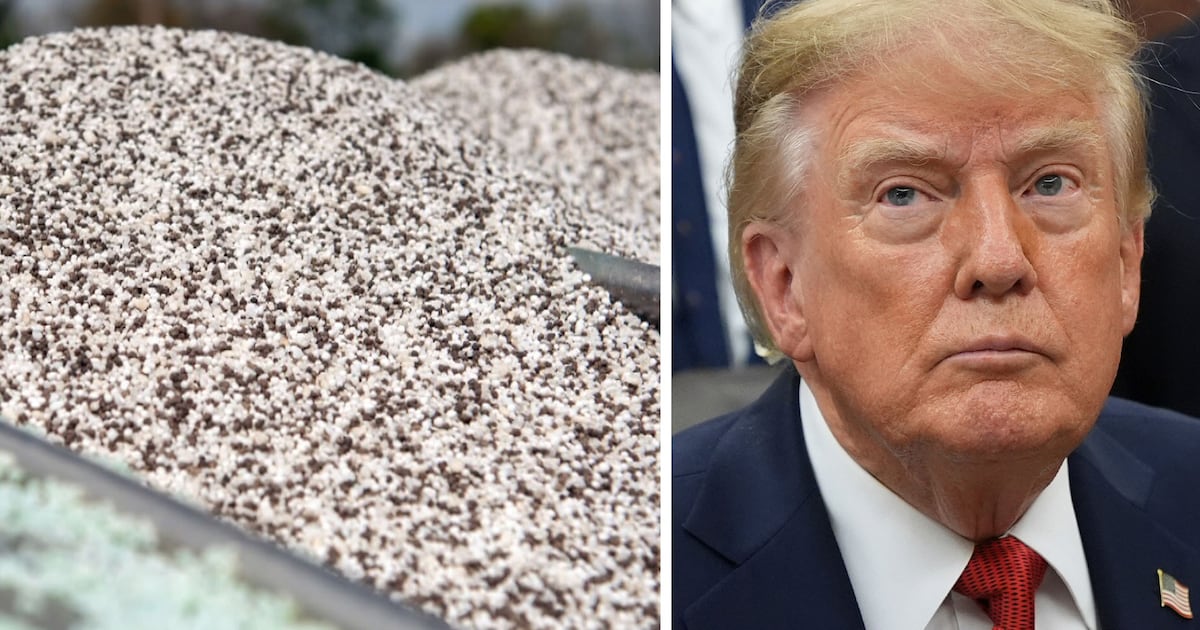
Potash has suddenly surged into the global spotlight as market shifts and supply chain pressures put the critical agricultural mineral back on the front page. As a primary source of potassium, potash is a non-negotiable ingredient in commercial crop fertilizers worldwide. Recent fluctuations in production outputs, combined with shifting trade routes and geopolitical realignments among top-producing nations, have caused sudden volatility in commodity pricing.
Industry analysts point to a convergence of supply constraints and fluctuating demand from major agricultural hubs in Asia, North America, and South America. These rapid developments are forcing agricultural conglomerates and independent farmers alike to rethink their long-term supply strategies.
Why It Matters
Even if you have never handled a bag of fertilizer, the shifting dynamics of the potash market directly impact your daily life. Because potash is essential for maximizing crop yields—particularly for high-demand staples like corn, soybeans, and wheat—any disruption or price surge in the fertilizer market ripples straight down the supply chain.
When fertilizer costs spike for farmers, the cost of food production rises correspondingly. This ultimately translates into higher grocery bills for consumers. With global food security remaining a fragile and critical concern, tracking the health and stability of the potash industry serves as an early economic indicator for broader agricultural inflation.
Important Context
To understand the current urgency, it helps to look at how concentrated the global supply really is. A handful of nations—dominantly Canada, Russia, Belarus, and China—control the vast majority of the world's recoverable potash reserves.
This heavy geographic concentration means that any localized labor disputes, infrastructure bottlenecks, or international trade sanctions can instantly send shockwaves through global markets. Over the past few years, shifting alliances and trade restrictions have repeatedly tested these supply chains, making the mineral a frequent point of economic leverage and policy discussion.
What's Next
Agricultural economists and commodity traders are watching production reports closely to see whether emerging mines in alternative regions can scale up quickly enough to offset existing deficits. If major producers manage to stabilize output and streamline logistics, market volatility could begin to cool.
However, until new extraction projects come fully online, the global agricultural sector remains vulnerable to sudden price swings. For now, stakeholders across the food supply chain are bracing for continued market sensitivity as this vital commodity navigates a changing economic landscape.