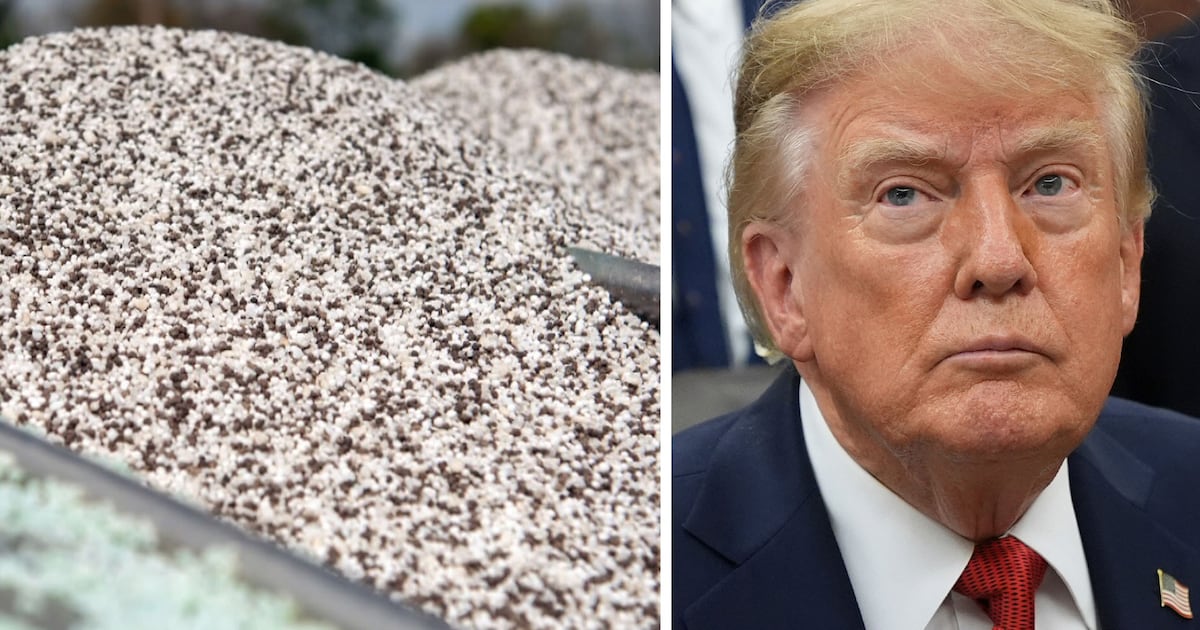
Potash—a potassium-rich salt critical for agricultural fertilizer—has quietly become one of the most highly contested commodities on Earth. While tech giants grab headlines with microchips, global superpowers are focusing on a far more fundamental challenge: securing their food supplies.
Here is what is driving the global potash market right now, and why this pink mineral matters directly to your grocery bill.
What is Potash and Why is it Trending?
Potash is an essential plant nutrient that improves crop yields, water retention, and disease resistance. Without it, modern industrial agriculture would struggle to feed the global population.
Currently, the global potash market is undergoing a massive structural realignment. Traditionally dominated by a handful of nations, supply chains have been fractured by recent international conflicts and trade barriers. Consequently, countries are racing to secure stable, long-term access to this critical resource to prevent domestic crop failures.
The Geopolitical Tug-of-War
The sudden scramble for potash comes down to geography and geopolitics. More than half of the world's potash supply comes from just three countries: Canada, Belarus, and Russia.
Following international sanctions on Russia and Belarus, Western nations severely restricted imports from these regions. This sudden disruption sent shockwaves through agricultural markets, forcing importing nations to look elsewhere.
Canada, the world's largest potash producer, has stepped into the spotlight. Mining giants are pouring billions into expanding operations, such as BHP's massive Jansen project in Saskatchewan, aiming to fill the global supply gap. Meanwhile, emerging buyers in Asia and Latin America are aggressively bidding to lock in multi-year supply contracts.
What This Means for Global Food Prices
For the average consumer, the potash struggle isn't just an abstract economic issue—it directly influences inflation.
When fertilizer costs spike, farmers face a tough choice: absorb the costs and reduce their output, or pay premium prices and pass those expenses down the supply chain. Either way, the result is the same:
- Higher Grocery Bills: Increased production costs quickly translate to higher prices for staple crops like wheat, corn, and soy.
- Global Food Insecurity: Developing nations, which rely heavily on imported fertilizer, face severe risks of food shortages if they are priced out of the market.
As nations prioritize agricultural self-reliance, potash is no longer just dirt; it has become a critical instrument of national security.