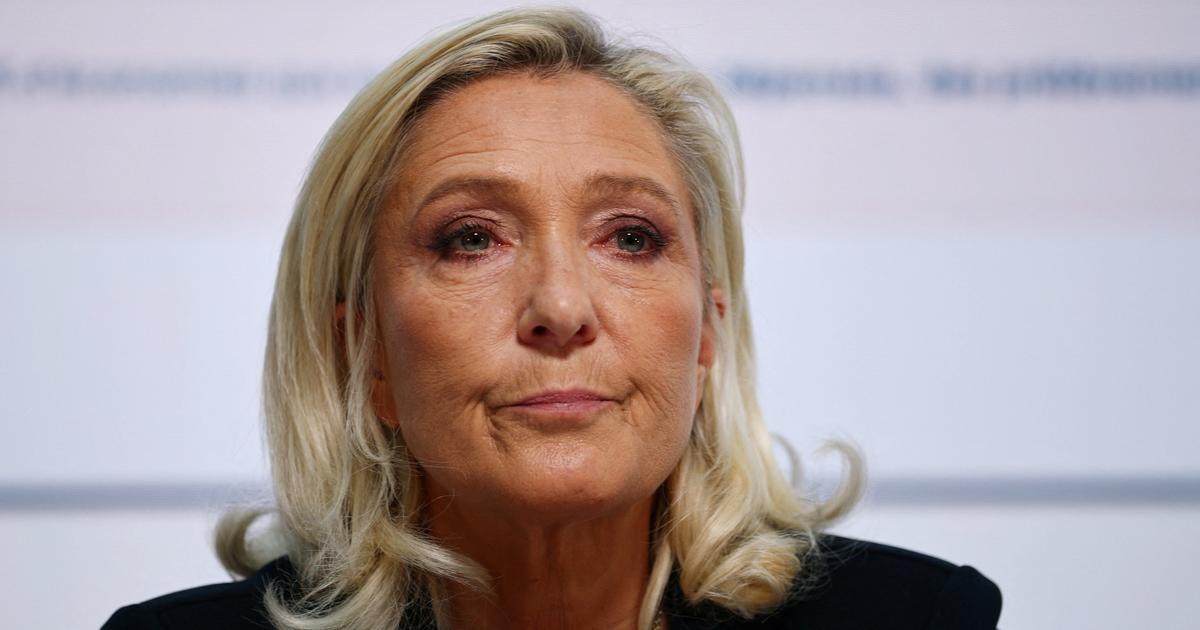
France is grappling with a severe wave of nationwide student protests that have rapidly escalated from peaceful campus grievances into widespread civil unrest.
With hundreds of thousands of demonstrators marching across major cities, the movement has placed intense pressure on the government as authorities struggle to contain mounting violence.
What Sparked the Unrest?
Originating in mid-September in the Parisian suburbs, the movement initially focused on concrete educational grievances. Students and teachers have taken to the streets to protest deteriorating school infrastructure, chronic teacher shortages, unpunished classroom vacancies, and the controversial higher-education admissions platform, Parcoursup.
What began as localized walkouts and blockades quickly ballooned into a national mobilization. Estimates place recent turnout between 256,000 and 450,000 participants nationwide, drawing in not just high schoolers, but university students, union members, and concerned parents.
Escalating Violence and Clashes
As the demonstrations have grown, so has the level of disruption and violence. Numerous high schools have faced severe vandalism, blocked entrances with burning debris, and localized arson, leaving tens of thousands of students temporarily cut off from in-person classes.
The confrontations between protestors and security forces have left hundreds of police officers and numerous students injured. Notably, a 15-year-old protestor in Lens suffered a severe hand injury, prompting immediate government intervention regarding crowd-control tactics.
The Government Response
In response to the escalating crisis, Minister of the Interior Laurent Nuñez announced the immediate provisional suspension of stun grenades during high school demonstrations. Meanwhile, Prime Minister Sébastien Lecornu proposed emergency measures, including setting aside class time for internal student dialogue and addressing administrative bottlenecks.
Despite these concessions, political divisions remain deep. Opposition leaders from both the left and right have fiercely debated the root causes, with some blaming political instrumentalization and others pointing directly to systemic state underfunding. As unions call for continued mobilization and further strikes, the government faces a critical test to restore order and address student demands.

/https://i.s3.glbimg.com/v1/AUTH_59edd422c0c84a879bd37670ae4f538a/internal_photos/bs/2026/B/O/4ceJGlTHKdz72xgrSyjQ/g1-1-.jpg)