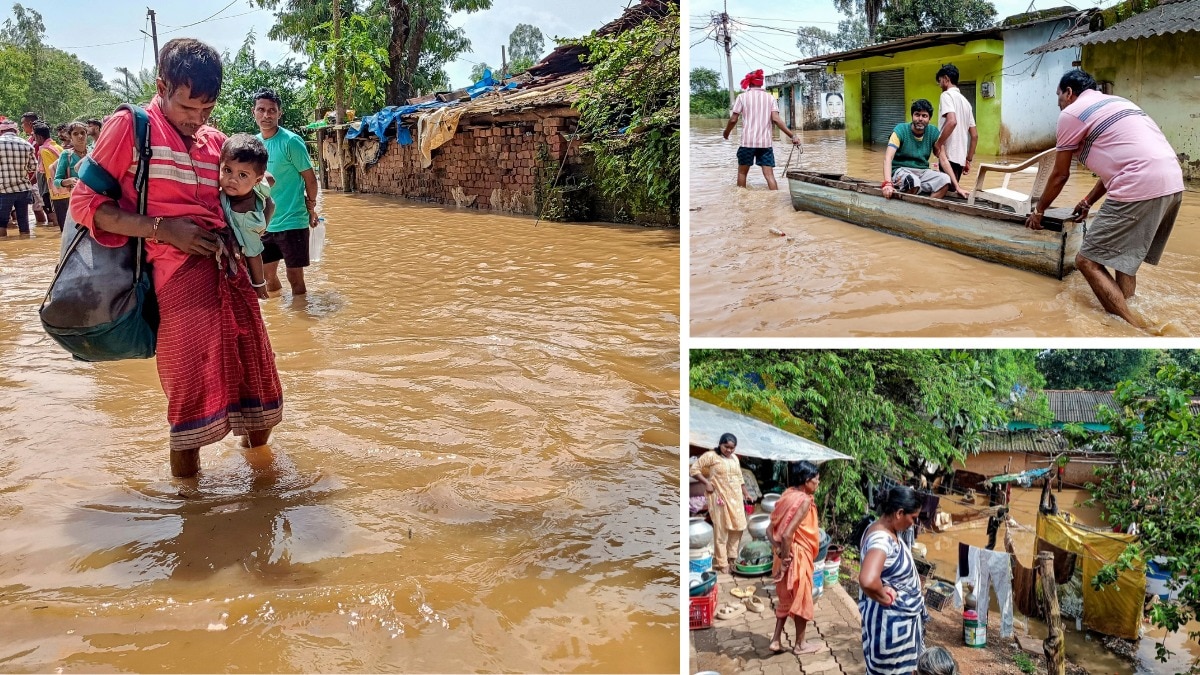
Severe weather conditions have prompted an immediate response from the highest levels of government in northern India. As heavy downpours, relentless thunderstorms, and dangerous lightning batter the region, authorities are moving swiftly to protect vulnerable populations and minimize infrastructure disruption.
What Happened
Uttar Pradesh Chief Minister Yogi Adityanath has ordered district magistrates to conduct comprehensive damage assessments within 24 hours. The directive follows severe meteorological warnings indicating continuous heavy rainfall, frequent lightning strikes, and strong surface winds sweeping across multiple districts.
Schools have been ordered to remain closed in regions under an active red alert or facing direct flash flood threats to ensure student safety. Furthermore, local officials have been explicitly instructed to relocate residents living in dilapidated structures, low-lying areas, or vulnerable huts to secure relief shelters immediately to prevent any loss of life.
Background and Context
The current meteorological crisis is driven by an active monsoon trough combined with cyclonic circulation over the region, causing persistent moisture-laden easterly winds. This weather pattern has triggered continuous overnight downpours, swelling local rivers and overwhelming urban drainage systems.
Historically, late-monsoon extremes in northern India present severe challenges to agrarian communities, often threatening standing crops just weeks before harvest. The state disaster management authority noted that the sudden escalation in precipitation levels necessitated a transition from routine seasonal monitoring to active emergency deployment.
Why It Matters
The rapid safety mobilization covers a vast geographic footprint, with critical red alerts issued for high-risk districts including Lakhimpur Kheri, Sitapur, Pilibhit, and Bahraich. Meanwhile, orange alerts remain active across numerous other key administrative areas, including Lucknow, Prayagraj, and Ayodhya.
With flash flood warnings extended to watershed zones along major river belts, the local administration is taking zero chances. Relief commissioners have coordinated emergency video conferences with district heads to ensure that National Disaster Response Force (NDRF) and State Disaster Response Force (SDRF) teams are fully active and deployed on the ground.
What's Next
State disaster response and security agencies remain on maximum alert as heavy rainfall forecasts extend across both eastern and western Uttar Pradesh. Officials are actively utilizing public address systems and local communication channels to warn citizens against venturing into open fields or sheltering beneath isolated trees during active thunderstorms. The state administration has vowed to disburse immediate financial assistance and relief packages to all agricultural and residential families impacted by the severe weather event.