Workers have begun removing Donald Trump's name from the Kennedy Center in Washington, D.C. This comes immediately after a federal appeals court denied a last-minute request to keep the branding on the historic building.
The legal setback marks a major development in an ongoing dispute over presidential branding on prominent federal properties in the nation's capital.
What Happened
The legal battle stems from a unanimous board vote in December that added Trump's name to the Kennedy Center facade. However, federal courts quickly intervened, ruling that only Congress holds the legal authority to change the name of the national cultural institution.
With the latest emergency appeal denied, construction crews are actively taking down the signage. This follows similar disputes over federal properties, including legal motions to block the addition of the president's name to the U.S. Institute of Peace.
Why It Matters
The controversy has sparked fresh debate in Washington over ethics, public spending, and presidential legacy. Critics argue that using federal resources and properties for self-promotion crosses a clear line.
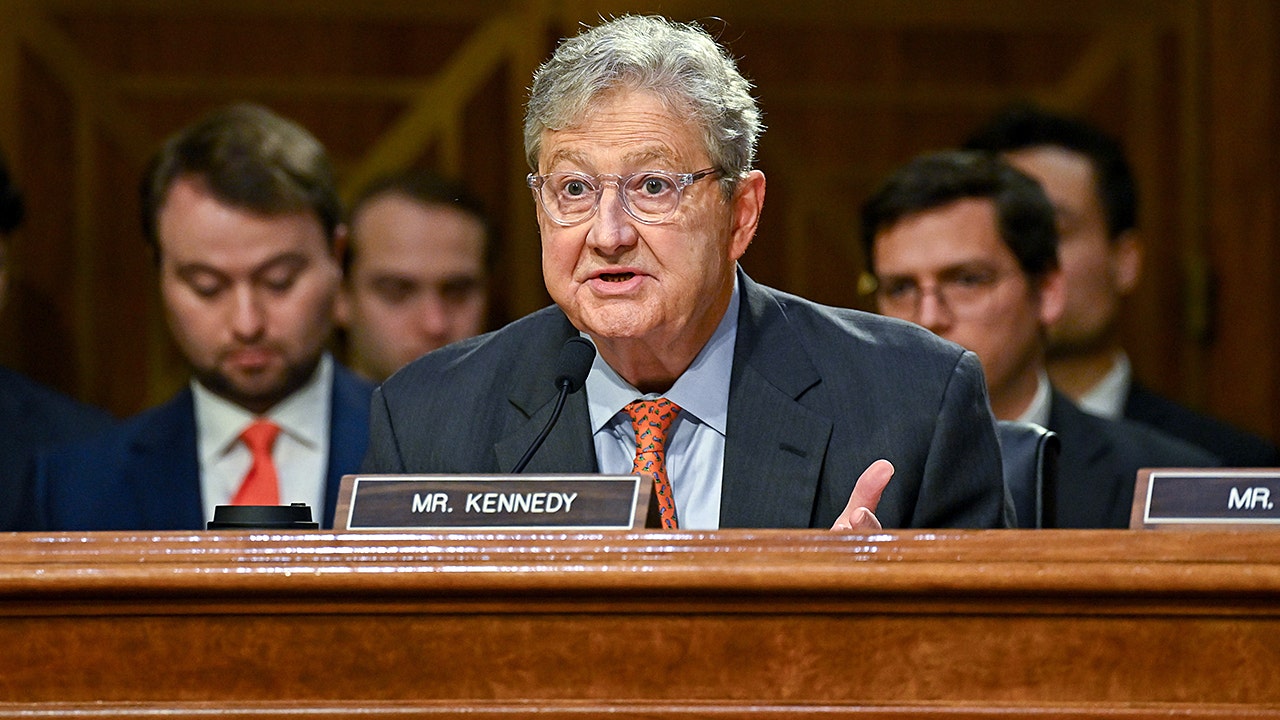
Appearing on CBS News' "Face the Nation," Sen. John Kennedy (R-La.) voiced sharp opposition to the practice. He argued that public officials should not use taxpayer money to fund personal advertisements or rename major landmarks while still in office.
"You can’t spend public money to promote yourself," Kennedy stated, suggesting that Congress should implement a strict rule prohibiting the naming of federal buildings after living politicians.
Broader Push for Renaming
Since returning to the White House, the administration has floated or attempted several high-profile renaming initiatives. Beyond the Kennedy Center and the U.S. Institute of Peace, proposals have included attaching the president's name to New York's Penn Station, Dulles Airport, and a proposed promenade near the Lincoln Memorial.
As legal challenges continue to mount, federal courts have consistently reined in these executive efforts, emphasizing that statutory authority over national landmarks ultimately rests with Congress.

