What Happened
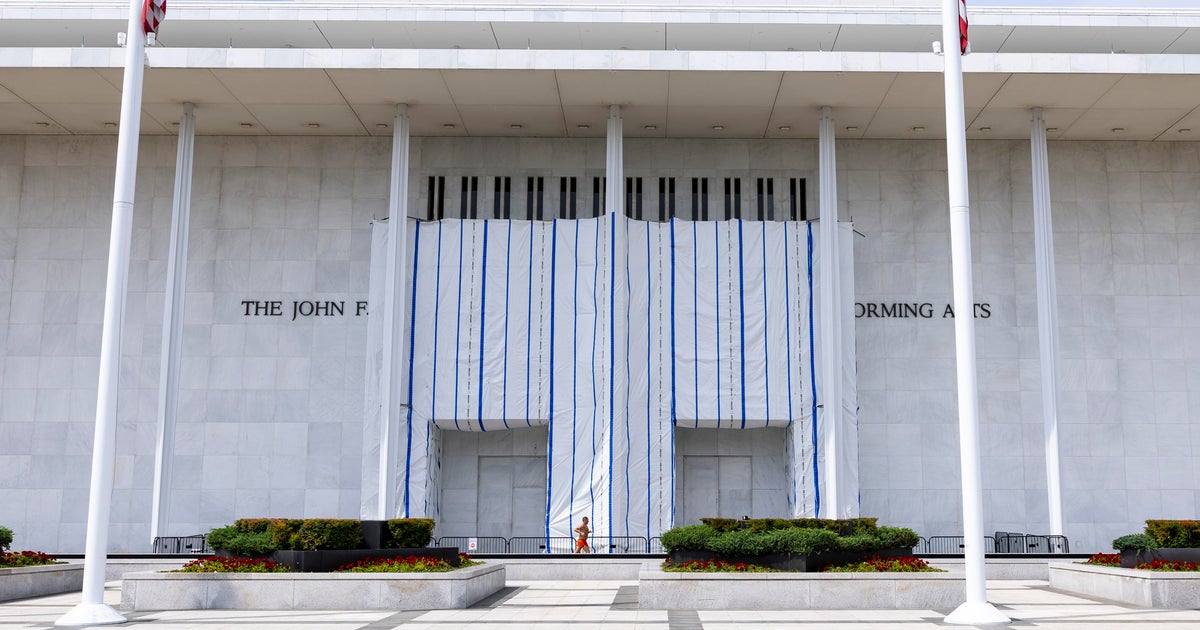
President Trump has formally invoked executive privilege to shield internal records from Democratic Representative Joyce Beatty of Ohio. The legal clash centers on the president's contentious effort to temporarily shutter the John F. Kennedy Center for the Performing Arts for renovations and alter its branding.
White House deputy counsel Joshua Hoyt filed a notice informing a federal judge of the presidential communications privilege assertion. The move covers documents and communications between the president, his advisers, and Kennedy Center staff regarding management, operations, and institutional functions.
Justice Department lawyers backed the move in a separate filing, arguing that Beatty’s legal challenges amount to a "fishing expedition" that blurs separation-of-powers boundaries.
Why It Matters
The unfolding dispute raises complex, untested legal questions about whether executive privilege extends to a sitting president acting in a dual capacity as the chairman of a federally backed cultural institution.
Last year, the Kennedy Center board—composed largely of administration officials and presidential allies—elected Trump as its chairman. Tensions escalated after Trump floated the idea of closing the iconic venue for two years, potentially rebranding it, and even suggesting it could be razed if his administration's fundraising and repair efforts went unrecognized.
In response, Beatty, an ex officio member of the board, filed a lawsuit in December. While a federal judge previously blocked the facility's closure and ordered the removal of Trump's name from the exterior facade, the fight over underlying documents and communications has intensified.
What's Next
The legal battle now shifts back to U.S. District Judge Christopher Cooper. Beatty’s legal team is pushing the court to compel the Kennedy Center to hand over contested materials, accusing the Justice Department of attempting an "improperly asserting a blanket privilege."
As depositions and discovery proceedings continue, the court will ultimately decide whether the executive privilege claim legally holds up against inquiries into the management and planned future of the historic performing arts center.


