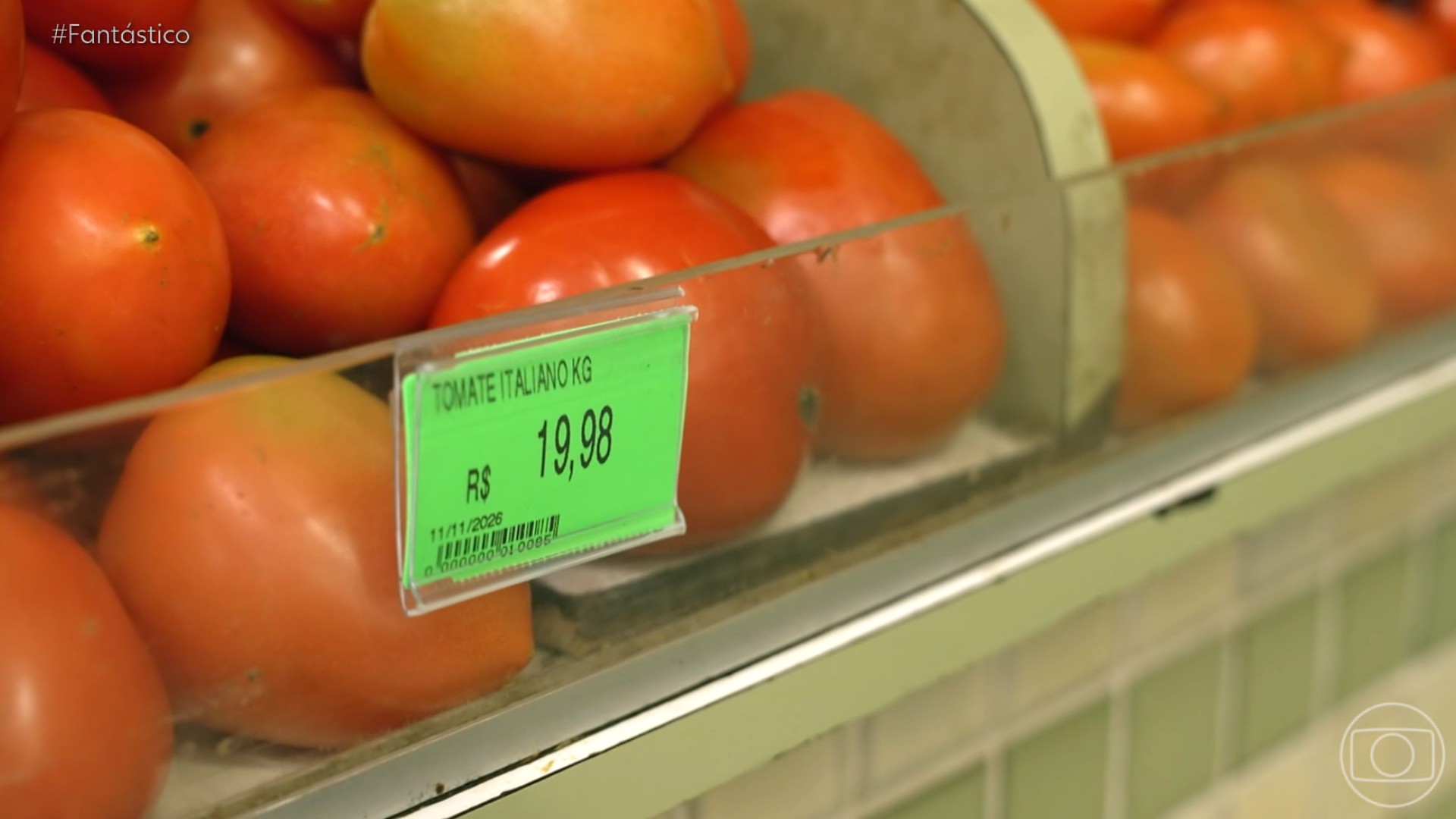
The cost of tomatoes has skyrocketed to unprecedented levels across all Brazilian capitals, turning the everyday cooking staple into what many consumers are calling "liquid gold." With retail prices surging up to R$ 35 per kilo, shoppers and local business owners are feeling the intense financial squeeze.
What Happened to the Harvest?
The dramatic price hike is the direct result of severe weather disruptions between September and October. While these months are typically characterized by drier conditions, atypical and excessive rainfall battered agricultural regions.
According to data from Dieese and the Conab, Florianópolis saw the steepest accumulated increase at 181.37%. Other major areas experienced massive surges as well, including Rio de Janeiro (174.05%), Fortaleza (120.49%), and Belo Horizonte (119.75%). In São Paulo, the second-largest producing state, prices jumped by 64.4%.
Experts point to the intense El Niño phenomenon—rated as the strongest in nearly three decades—as the root cause. The cold, wet climate not only rotted crop roots and spread bacteria, destroying up to two-thirds of harvests for some farmers, but it also prevented proper ripening. Consequently, the produce arriving at markets is smaller, greener, and often bruised.
Economic Impact on Businesses and Consumers
The crisis is rippling far beyond individual grocery carts. Restaurant and pizzeria owners who rely heavily on bulk quantities of tomatoes are facing difficult choices. Many are absorbing the wholesale price hikes—which have jumped significantly—rather than scaring away patrons with inflated menu prices.
At the retail level, suppliers are working with heavily reduced inventories and lower-grade produce just to keep shelves stocked.
What's Next for Food Prices?
Consumers shouldn't expect relief anytime soon. Agricultural specialists warn that prices will likely remain elevated for the next few months. With summer approaching—bringing its own mix of high temperatures and frequent rain—recovering the damaged plantations will be a slow and difficult process for producers struggling to maintain supply margins.


