What Happened
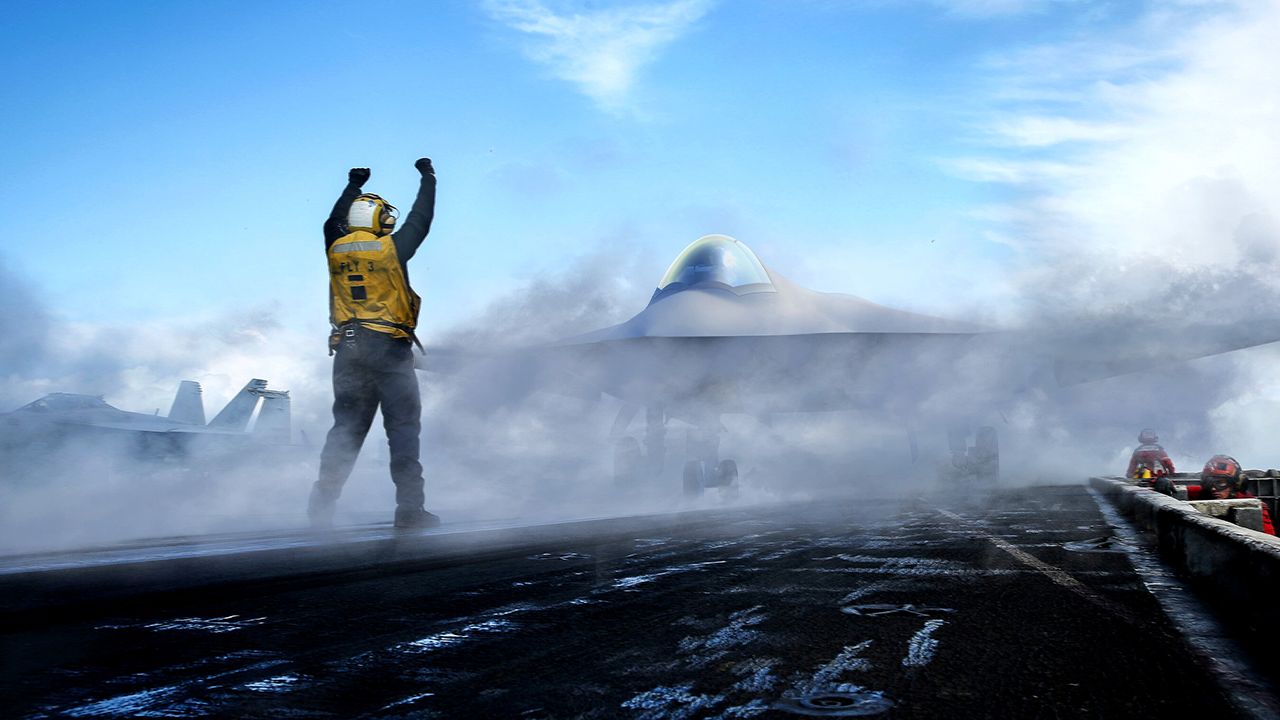
The U.S. Department of War has officially awarded Boeing a contract valued at over $20 billion for the full-scale development of the F/A-XX. This next-generation, carrier-based strike fighter is designed to expand the operational reach of Navy aircraft carriers and ultimately replace older combat aircraft like the F/A-18E/F Super Hornet.
The deal marks Boeing's second major sixth-generation fighter program, following its selection for the Air Force’s F-47 project. The initial contract covers multiple test aircraft built for ground testing, airworthiness evaluations, and intensive weapons integration.
Background and Context
For decades, the naval wing's backbone has relied heavily on the combat-proven F/A-18 Super Hornet and the EA-18G Growler. However, rapidly evolving adversary anti-access/area-denial (A2/AD) capabilities, advanced integrated air defense systems, and long-range anti-ship missiles have rendered traditional carrier air wings increasingly vulnerable.
To counter these pacing threats, the Navy conceptualized the F/A-XX as a core pillar of the broader Next Generation Air Dominance (NGAD) initiative. Unlike older iterations, this sixth-generation platform is engineered from the ground up to operate in highly contested electronic warfare environments. It emphasizes unprecedented range, advanced low-observable (stealth) characteristics, thermal management for directed-energy weapons, and high-capacity sensor fusion that links seamlessly with surface combatants and allied satellite constellations.
Why It Matters
Military officials view the F/A-XX as a cornerstone for maintaining undisputed air superiority and maritime power. The aircraft aims to project power deep into heavily defended airspace while operating seamlessly alongside both manned assets and unmanned systems, such as Collaborative Combat Aircraft (CCAs).
"The F/A-XX will dominate contested airspace, extend operational reach, and deliver a decisive combat advantage for the warfighter," said Michael P. Duffey, under secretary of war for acquisition and sustainment.
Economically and industrially, the $20 billion award cements Boeing’s premier defense manufacturing footprint. It stabilizes the company’s military aircraft division for decades, sustaining thousands of specialized aerospace engineering and manufacturing jobs across the United States.
What's Next
Boeing is currently advancing construction on a secure, highly advanced manufacturing facility in St. Louis to support the digital design, prototyping, and eventual production of the aircraft fleet.
If development stays on schedule, the F/A-XX is projected to begin flight testing by the end of the decade, with initial operational capability slated to begin augmenting and replacing legacy Super Hornets and Growlers starting in the 2030s. It will operate alongside the F-35C Lightning II, ushering in a heavily networked era of naval aviation designed to deter global adversaries.