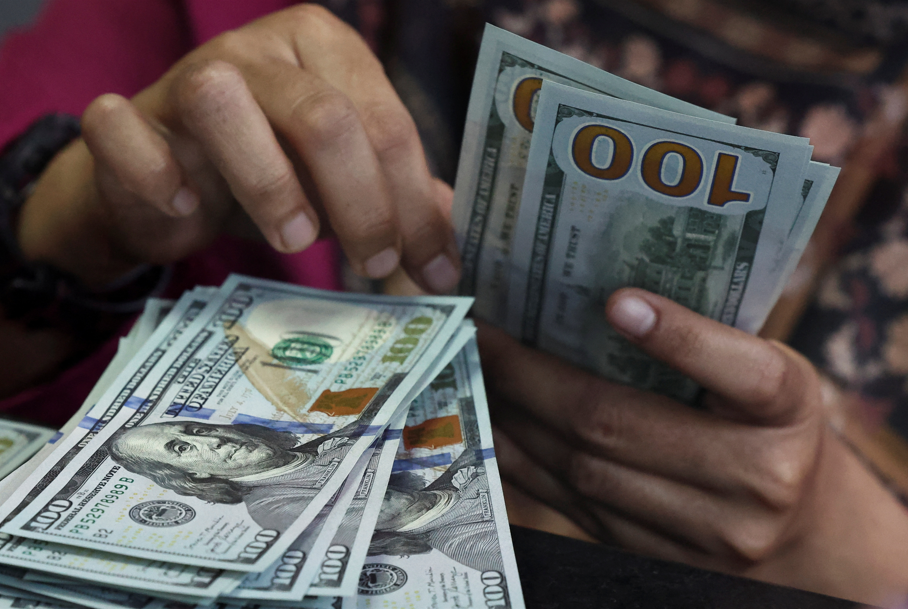
Financial markets in Brazil opened to a massive jolt on Monday. The spot dolar suffered a sharp downward plunge against the Brazilian real, catching currency traders and analysts completely off guard.
The abrupt market movement directly reflects investor reactions to the first round of the presidential election, which defied final pre-election polling data.
What Happened in the Markets
Trading desks registered heavy downward pressure on foreign currency early in the session. By 9:09 a.m., the spot dolar was down a steep 4.44%, trading at R$ 4.985.
At the same time, the most actively traded November dolar futures contract on the B3 exchange dropped 4.38%, resting at R$ 5.023. The sudden drop highlights a major shift in market sentiment driven by the unexpected electoral outcome.
The Election Surprise
The catalyst behind the currency shift is the first-round presidential vote tally. Senator Flávio Bolsonaro (PL) secured the lead with 47.03% of the valid votes. Incumbent Luiz Inácio Lula da Silva followed closely with 45.16%.
The resulting gap gave the challenger an advantage of roughly 2.2 million votes, defying the tighter margins predicted by most late-stage public opinion polls. This surprise shift towards the center-right candidate triggered immediate relief among investors who favor the PL's pro-market rhetoric, commitments to fiscal discipline, and potential for economic reform.
Why It Matters: Stakeholder Impact
The sudden strengthening of the Brazilian real has critical implications across the economy:
- Easing Inflationary Pressures: A stronger Real lowers the import costs of essential commodities, helping the Central Bank of Brazil control inflation without needing aggressive interest rate hikes.
- Foreign Capital Inflow: The market rally signals renewed confidence from foreign institutional investors, who are now reducing the country’s political risk premium.
- Equities Boost: Local stock markets are responding favorably, particularly state-controlled companies and domestic retail giants that benefit from improved macroeconomic stability.
What's Next: The Road to the Runoff
Following the results, political tensions immediately escalated. In his address, Flávio Bolsonaro declared the outcome as the "end of the PT era" and pledged to abolish presidential reelection if elected, arguing a single term would suffice to fix national issues.
Meanwhile, Lula rallied his base, vowing to launch an aggressive campaign immediately to reverse the margin ahead of the decisive runoff vote scheduled for October 25.
As both campaigns seek key alliances, currency markets are expected to experience heightened volatility. Analysts suggest that the sustainability of the Real's rally will depend entirely on both candidates presenting concrete fiscal frameworks and clear outlines for future state spending.
/https://i.s3.glbimg.com/v1/AUTH_da025474c0c44edd99332dddb09cabe8/internal_photos/bs/2026/6/G/4hntkKQ3GwvRAFAjAXJw/montagem-1790634087718.jpg)

