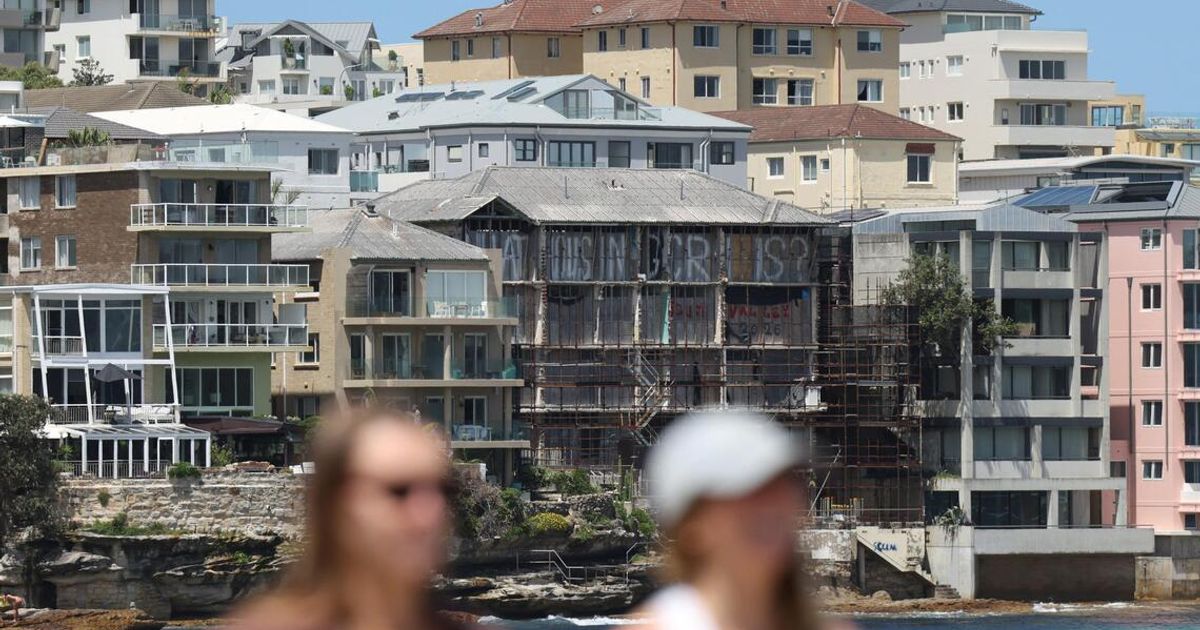
Australia's housing market is experiencing its sharpest downturn in 40 years. Driven by surging interest rates, new property taxes, and soaring living costs, property values in major metropolitan areas are plummeting rapidly.
While some buyers are finding rare opportunities, experts warn that the nationwide correction is far from over.
What Happened to the Market?
Property prices in Sydney have tumbled 10.1% since the start of the year, according to data from Cotality. Meanwhile, Melbourne and Brisbane have recorded drops of 7.9% and 3.6%, respectively, with capital cities averaging a collective 6.6% decline.
The severe downturn follows years of unprecedented price surges. A combination of aggressive monetary policy—lifting interest rates from 3.6% to 4.85% across five consecutive hikes—and aggressive tax policy changes have abruptly cooled buyer demand.
Government changes targeting property investors include abolishing negative gearing and replacing the capital gains discount with an inflation-based model starting in mid-2027. Consequently, new home loans plummeted 15% in the third quarter, marking the fastest drop on record. Loans to investors dropped by a staggering 32%.
Why First-Home Buyers Face a Mixed Blessing
For resilient buyers with secure deposits, the market offers unprecedented leverage. First-home buyers like 30-year-old engineer Eresha Chandrathilake found themselves virtually alone at property inspections in Sydney, successfully negotiating lower prices in suburbs like Blacktown.
However, economists point out that lower sticker prices do not automatically translate to greater purchasing power.
AMP chief economist Shane Oliver noted that while buyers do not need to borrow as much, banks are simultaneously reducing maximum lending amounts due to higher interest rates. Official data shows loans to first-home buyers still fell 8%, indicating many are struggling to secure financing.
What's Next for Australian Real Estate?
Major financial institutions expect the correction to continue. The Commonwealth Bank (CBA) and private analysts are forecasting a total capital city price drop of up to 15% before the market stabilizes.
CBA senior economist Trent Saunders expects stabilization to occur in the second half of next year, supported by tighter housing supply, higher rental yields, and an eventual easing of monetary policy. Until then, many prospective buyers remain hesitant, fearing they might end up "catching a falling knife" as the historic slump continues.


