What Happened
The Supreme Court cleared the way for New Hampshire to block the use of student ID cards during upcoming midterm elections. Justices declined to interfere with the state's restrictions, emphasizing a longstanding precedent that lower federal courts should avoid altering election rules on the eve of a vote.
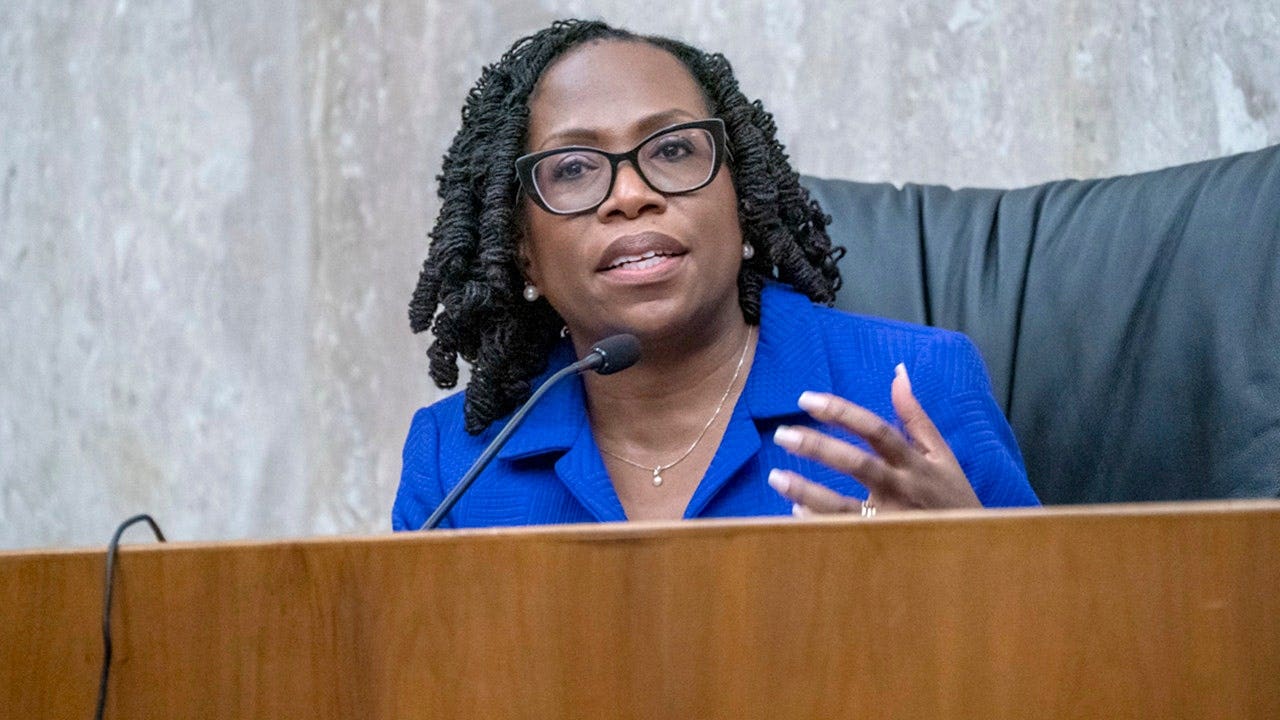
While the high court's order was issued without breaking down a public vote tally, Justice Ketanji Brown Jackson emerged as the sole public dissenter. The legal battle stems from a New Hampshire law enacted earlier this year that stripped student IDs from the state's list of approved voter identification documents.
Why It Matters
New Hampshire features competitive races on Election Day that could impact the balance of power in Congress. Voting rights advocates argued that excluding student IDs unfairly burdens younger voters, who historically lean toward the Democratic Party.
State guidance subsequently barred student IDs even as supporting verification evidence. While a lower district judge initially blocked that specific enforcement, the Supreme Court's latest action leaves the state's restrictions largely intact for the immediate election cycle.
Inside the Dissent
Justice Jackson pushed back against the majority, arguing that judicial restraint should not override proper legal application, even close to an election.
"I respectfully dissent because — even, and perhaps especially, when an election is looming — I would not disturb a clearly justifiable federal-court order issued to ensure that the public receives accurate information," Jackson wrote in her opinion.
This marks another notable instance of Jackson standing alone on the bench. During her tenure, she has frequently filed solo dissents in high-profile cases spanning immigration, campaign finance, and labor disputes.
What's Next
With the Supreme Court's decision standing, students in New Hampshire who previously relied on institutional IDs must present alternative government-approved identification to cast their ballots.
The ruling reinforces the legal authority of states to regulate specific forms of voter identification ahead of tight legislative contests, setting a clear boundary for federal court intervention during active election seasons.


