What Happened in Mato Grosso do Sul
A sharp and aggressive cold front swept across Mato Grosso do Sul, abruptly terminating an extended warm weather pattern. The high-intensity system brought heavy downpours, fierce gusts, and a dramatic thermal collapse that caught many residents by surprise over the weekend.
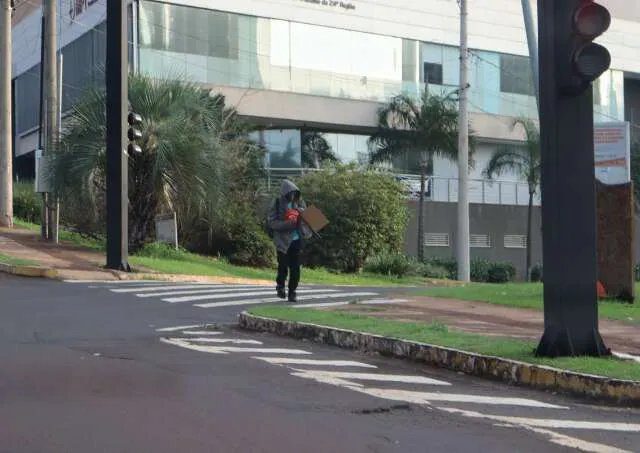
Meteorological monitoring stations recorded stark weather extremes throughout the state. In Campo Grande, actual air temperatures plummeted to a chilly 14.7ºC, while dangerous wind chill factors made outdoor conditions feel as low as a blistering 4.3ºC. Neighboring municipalities experienced similarly steep drops, with Amambai and Ponta Porã registering morning lows of 12.2ºC and 12.4ºC, respectively.
Precipitation levels were exceptionally high across multiple sectors. São Gabriel do Oeste led the state with an accumulation of 44 millimeters of rain within a 24-hour window, closely followed by Sonora with 42.2 millimeters.
The Impact on Campo Grande
As the state capital, Campo Grande bore the brunt of the immediate structural and urban disruptions. The city accumulated nearly 28 millimeters of rainfall in a short timeframe, triggering localized flash flooding along major commercial corridors and arterial avenues.
The severe weather system also generated violent wind gusts peaking at 60.8 km/h. These sudden gales caused localized property damage—including structural impacts at the local courthouse—while stranding multiple vehicles in unexpectedly deep standing water on flooded roadways.
Why It Matters: Regional Vulnerability
Sudden meteorological shifts of this magnitude present immediate challenges for urban infrastructure and public health in central-western Brazil. While the region is accustomed to seasonal weather transitions, the sheer velocity of the temperature drop—compounded by gale-force winds—strained municipal drainage systems and temporarily disrupted daily commerce.
Furthermore, agricultural stakeholders closely monitor these unseasonable cold snaps. Rapid drops in temperature and heavy precipitation can stress local crops and livestock management routines, highlighting the growing volatility of regional weather patterns driven by shifting continental air masses.
What's Next / Future Outlook
Despite the intensity of the weekend storms, local civil defense and emergency response teams confirmed that no major structural collapses or emergency population displacements were required across the affected municipalities.
Meteorologists indicate that while the core of the cold front is beginning to stabilize, temperatures will remain unseasonably low for the immediate future. Regional authorities continue to monitor updated weather models, advising residents in Campo Grande and surrounding areas to remain vigilant regarding localized weather advisories as conditions slowly moderate.