What Happened
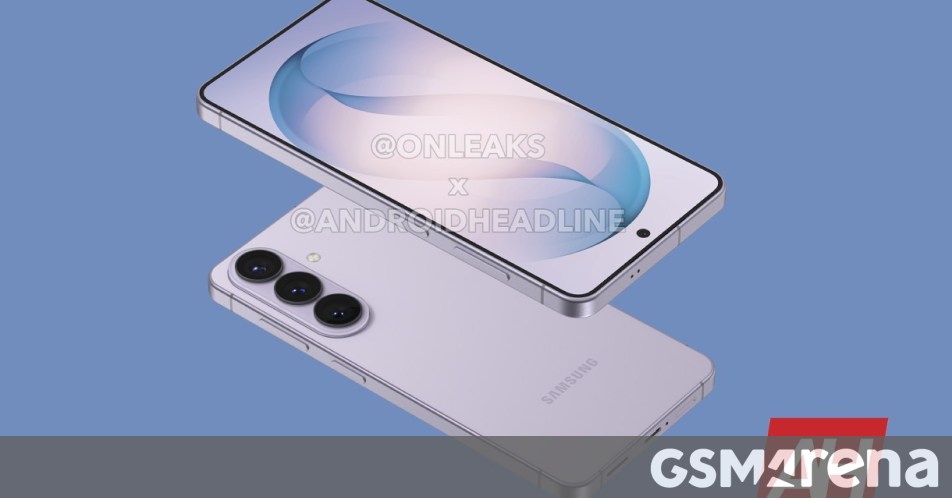
Leaked screen protector images shared by industry insider Ice Universe suggest the upcoming Samsung Galaxy S27 Ultra will look nearly identical to the previous generation from the front. According to the leaks, the front display design may be fully interchangeable with the S26 Ultra, marking what could be the smallest visual shift between consecutive Ultra flagships in Samsung's history.
Reports indicate that the overall physical dimensions, corner curvature, and 6.9-inch (1,440 x 3,120px) screen size will remain consistent. The ultra-slim bezels and specialized privacy display features are also expected to carry over, keeping the familiar flat aesthetic that consumers have grown accustomed to over recent release cycles.
Background and Context
This continuity in design follows a multi-year trend in the smartphone industry where manufacturers prioritize incremental ergonomic refinements over radical cosmetic overhauls. Having finalized a comfortable flat-screen layout with integrated titanium framing elements in past generations, Samsung has chosen to invest its engineering resources into internal architecture. Rather than spending capital on new tooling for glass molds and front bezels, the company is leveraging a mature industrial design to streamline production costs amid a tightening global supply chain.
Why It Matters
While the exterior glass remains largely untouched, major upgrades are happening underneath the surface. The S27 Ultra and S27 Pro are rumored to pack Samsung's next-generation M16 OLED display panel.
This advanced screen technology is expected to deliver massive performance boosts, including:
- Peak local brightness hitting up to 10,000 nits
- Peak global brightness reaching 2,800 nits
- Up to 30% better power efficiency compared to previous generation panels
- Superior color accuracy under intense sunlight
In addition to the new panel, hardware rumors point to an upgraded 16MP front-facing selfie camera replacing the older 12MP module, alongside a larger high-density battery that nudges the total device weight up by just one gram to 215g.
What's Next / Future Outlook
Samsung appears to be focusing its design efforts on rear camera island optimizations rather than reinventing the front glass. With competitors facing surging component costs and consumer price fatigue in international markets, Samsung's strategy to refine internal tech—focusing strictly on power efficiency and battery density—while keeping the outer footprint stable could prove crucial for maintaining its dominant market position. Expect official teasers and regulatory filings to surface as the global launch window approaches.