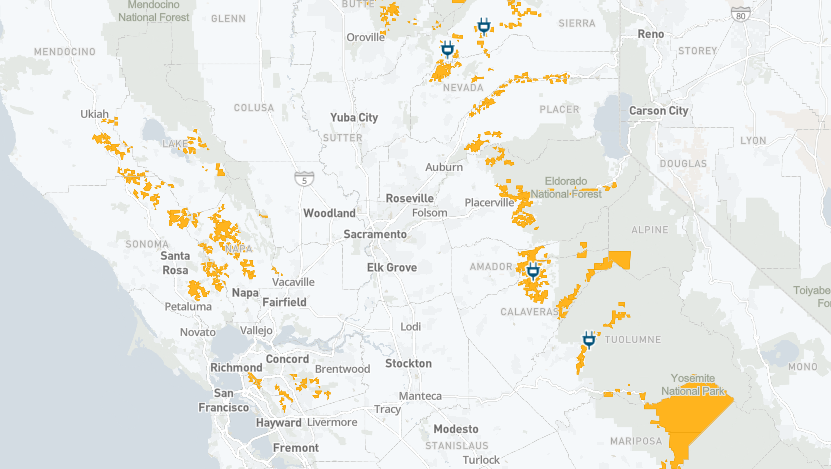
Pacific Gas and Electric Company (PG&E) has significantly expanded its emergency precautionary measures, putting tens of thousands of residents on notice. High fire danger, dry conditions, and persistent winds have forced the utility to widen the scope of its upcoming outages.
Background and Context
The expanded protocols trace back to heightened regulatory scrutiny and the devastating history of California wildfires over the past decade. Following catastrophic blazes linked to faulty electrical infrastructure, utilities like PG&E face strict accountability frameworks.
Public Safety Power Shutoffs (PSPS) have since become a standard, if controversial, operational tool. Rather than waiting for high winds to blow branches into energized lines, meteorologists and grid operators monitor real-time fuel moisture indices and wind velocities. When these metrics cross critical danger thresholds, proactive de-energization is triggered to protect vulnerable communities from sparking unpredictable wildland fires.
What Happened
PG&E announced that approximately 88,000 customers across 29 California counties now face potential power shutoffs. This marks a sharp increase from an earlier projection of 70,000 impacted accounts as weather models shifted to show a wider, more intense wind pattern.
The utility activated its PSPS protocols to run through the end of the week. The decision responds directly to severe weather forecasts predicting unusually dry air, low humidity, and powerful wind gusts—particularly targeting the Sierra foothills, the Southern Central Coast, and portions of the North Bay and East Bay ridges.
Why It Matters
The targeted outages are deployed as a critical last resort to prevent high winds from damaging overhead power lines and igniting catastrophic fires.
However, the economic and human toll is immediate. The expanding shutoffs directly affect about 5,500 Medical Baseline customers who rely on uninterrupted electricity for home medical equipment, alongside six tribal governments, including the Big Sandy Rancheria and Tuolumne Rancheria. Local businesses face heavy operational disruptions, while residents express growing fatigue over recurring outages during dry seasons.
What You Need to Know to Prepare
PG&E is advising affected residents to finalize emergency plans immediately. Key steps include:
- Power Alternatives: Procuring generators, ensuring safe placement at least 20 feet away from homes to avoid carbon monoxide risks, and stocking up on dry ice to preserve perishable food and vital medication.
- Device Charging: Keeping all critical communication devices fully charged before the de-energization window begins.
- Community Resources: PG&E has designated over 40 community resource centers where impacted residents can access Wi-Fi, drinking water, snacks, and device-charging stations.
What's Next
As climate patterns continue to extend traditional wildfire seasons across California, utilities are under intense pressure to modernize the grid. Future outlooks point toward increased undergrounding of power lines and expanded use of microgrids and artificial intelligence for targeted weather modeling. These long-term infrastructure upgrades aim to reduce the frequency and breadth of wide-scale precautionary blackouts in the years ahead.


