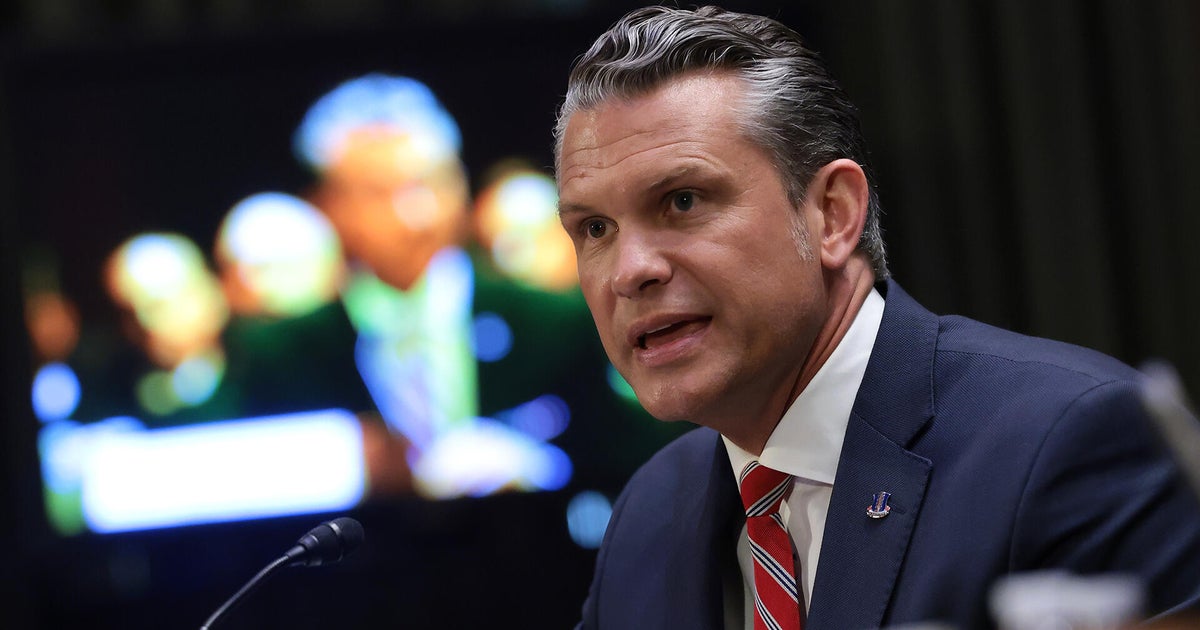
Defense Secretary Pete Hegseth is set to target top-tier military leadership, proposing a significant reduction in high-ranking officers across the U.S. armed forces as part of an aggressive campaign to reshape the Department of Defense.
What Happened
According to a senior Pentagon official, Hegseth is expected to call for a sweeping 20% cut in the number of active-duty generals and admirals. The major policy announcement is scheduled to take place during an address to military officers and enlisted service members at Marine Corps Base Quantico in Virginia.
This move builds directly on previous administrative targets. Earlier in the year, Hegseth ordered a minimum 10% reduction of all flag and general officers, alongside a steeper 20% cut specifically directed at National Guard general officers. Federal law currently caps active-duty general and flag officers at 857, with the total hovering around 851.
Why It Matters
Hegseth has consistently argued that the Department of Defense is weighed down by excessive administrative bloat and redundant management layers. Proponents of the cuts claim that a high density of top-level officers slows down strategic decision-making, complicates the chain of command, and creates operational inefficiencies.
However, the policy has sparked intense pushback from lawmakers and defense analysts. Critics argue that sudden reductions risk undermining military readiness, institutional knowledge, and civilian oversight. Democratic Senator Mark Kelly recently voiced strong opposition, accusing the administration of forcing out decades of critical experience and purging the military's upper echelons for political reasons.
Important Context
Since taking office, Hegseth has actively reshaped the military's leadership structure. At least 20 senior generals, admirals, and civilian leaders have either been fired or resigned, including the chairman of the Joint Chiefs of Staff and top officials from the Army, Navy, and Air Force.
While supporters maintain that streamlining leadership is essential for modernization, opponents warn that sweeping reductions could disrupt international coalitions and oversight of complex modern defense programs.
What's Next
Implementation of the 20% reduction will require close coordination with Congress, as active-duty officer caps are federally mandated. Lawmakers on both sides of the aisle are expected to grill Pentagon leadership during upcoming budget and authorization hearings, scrutinizing how these force-structure changes will impact daily military operations and long-term national security strategy.


