What Happened
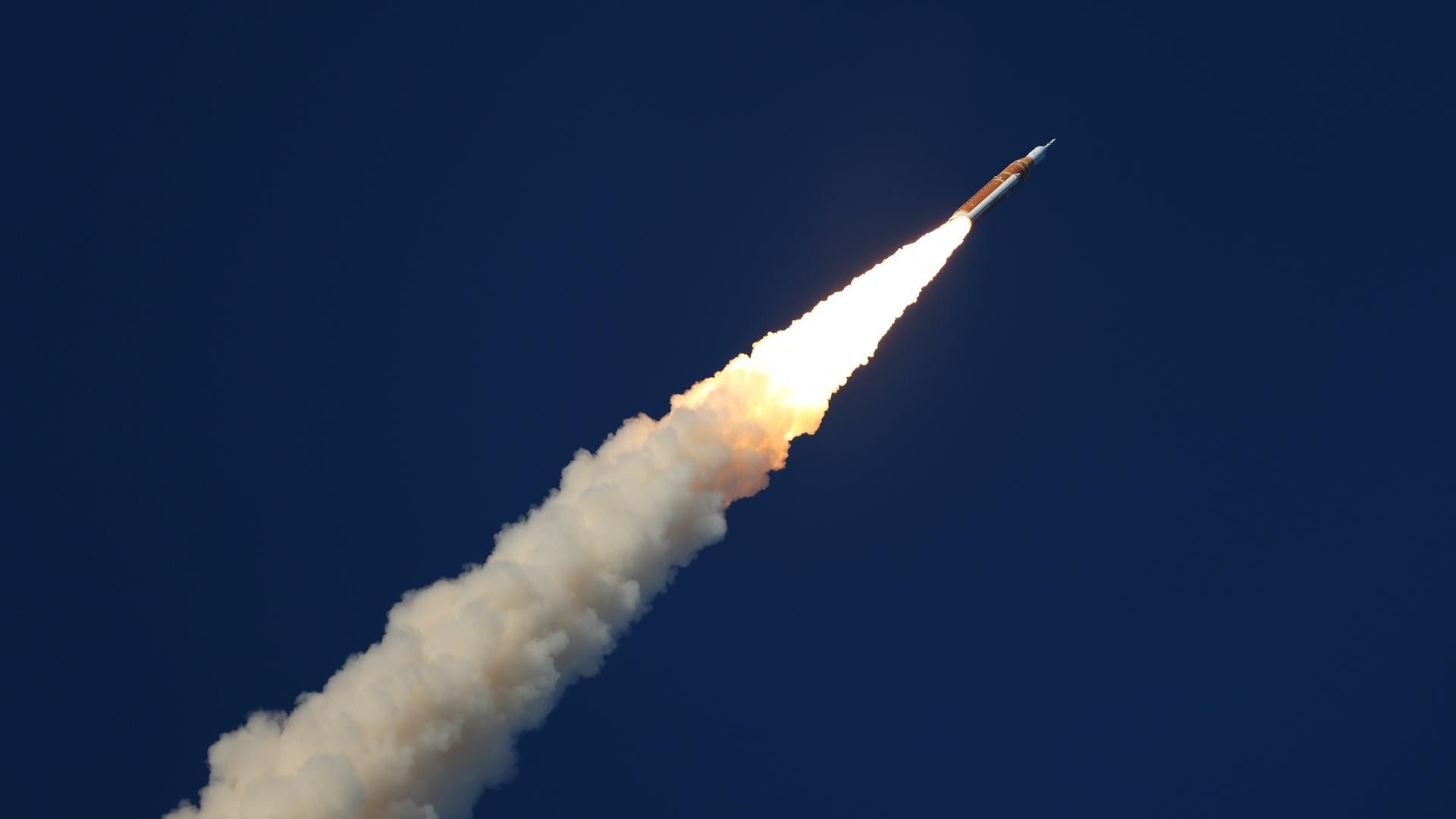
When NASA launched the Artemis II mission, the sheer power of the Space Launch System (SLS) did more than just break Earth's gravity. A new study reveals that the rocket essentially punched massive holes straight through Earth's ionosphere.
Researchers from National Cheng Kung University in Taiwan analyzed data from high-precision ground-based GPS networks. They discovered that the supersonic flight and orbital maneuvers created ionospheric disturbances more intense than any recorded from previous rocket launches—even outpacing SpaceX's Starship tests.
Why It Matters
As the rocket soared, it created shock waves and high-altitude thruster burns that altered free electron concentrations in the atmosphere. This atmospheric disruption wasn't just invisible space data; it had real-world implications.
The disturbances caused electron density changes equivalent to positioning errors of several meters. Experts warn that a shift of this scale is enough to throw autonomous vehicles off track or disrupt high-precision drone navigation. Because GPS signals must pass through the volatile ionosphere to reach the ground, any sudden atmospheric shift directly impacts navigation accuracy.
Inside the Science
The researchers identified two distinct atmospheric "holes" stretching an incredible 3,100 miles (5,000 kilometers) across the American continent.
The first hole was left behind by the massive core stage during liftoff. However, the most prominent disturbance came more than an hour later, triggered by two upper-stage thruster burns at altitudes of roughly 115 miles. These specific orbital maneuvers, designed to push the Orion capsule toward the moon, directly impacted the core of the ionosphere in a way standard Earth-orbit missions rarely do.
What's Next
As space agencies look toward frequent lunar missions and eventual crewed flights to Mars, these high-altitude disruptions will become increasingly common. Researchers emphasize that understanding these localized space weather effects is crucial for safeguarding critical ground infrastructure and navigation systems as commercial and exploratory spaceflight scales up.


