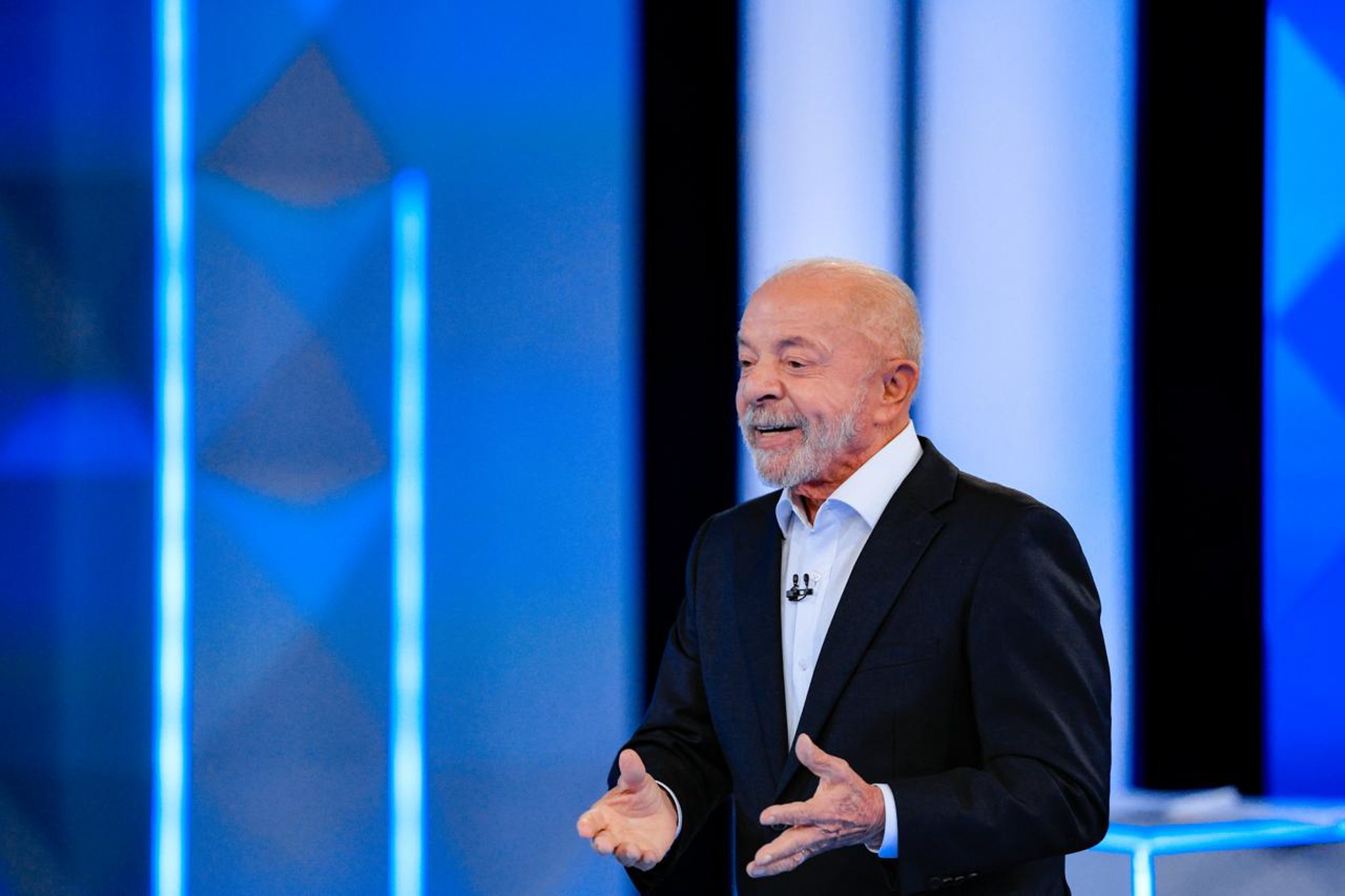
Following a historic re-election victory, President Luiz Inácio Lula da Silva is positioned to reshape Brazil's highest judicial authority significantly. Over his upcoming term running through January 2031, the administration can potentially appoint up to four new justices to the Supreme Federal Court (STF).
This impending turnover represents nearly a third of the court's 11 total seats, setting the stage for a major transformation in the nation's judiciary landscape.
What Happened
The opportunity stems from a combination of an open vacancy and mandatory retirement ages. Under Brazilian law, STF justices must step down when they reach 75 years old.
Currently, one seat has remained vacant since the early retirement of Luís Roberto Barroso in October 2025. Although Lula initially nominated Attorney-General Jorge Messias for that seat, the Senate rejected the nomination in April 2026—marking the first time in over a century that the upper house blocked a presidential STF pick.
In addition to that ongoing vacancy, three prominent sitting justices will reach the mandatory retirement age before the end of Lula's new term:
- Luiz Fux: Scheduled to step down in April 2028.
- Cármen Lúcia: Scheduled to leave the bench in April 2029.
- Gilmar Mendes: The court's dean, slated to retire in December 2030, just weeks before Lula's mandate concludes.
Why It Matters
Appointing nearly a third of the Supreme Court gives the executive branch a profound influence over the judiciary's future composition and ideological balance. The STF plays a critical role in adjudicating high-stakes institutional, political, and constitutional disputes in Brazil.
However, the appointment process is far from a solo endeavor. Every candidate chosen by the president must undergo a rigorous vetting process, including a public interrogation session (sabatina) before the Senate's Constitution and Justice Committee (CCJ), followed by an absolute majority approval vote in the full Senate.
As the administration navigates these upcoming vacancies, the political dynamics between the executive branch and the legislative Senate will remain under intense public scrutiny.


