What Happened
For years, the core promise of streaming was straightforward: watch whatever you want, whenever you want, completely free from scheduled programming. However, Hollywood's top digital platforms are executing a dramatic strategic pivot back toward live, real-time broadcasting.
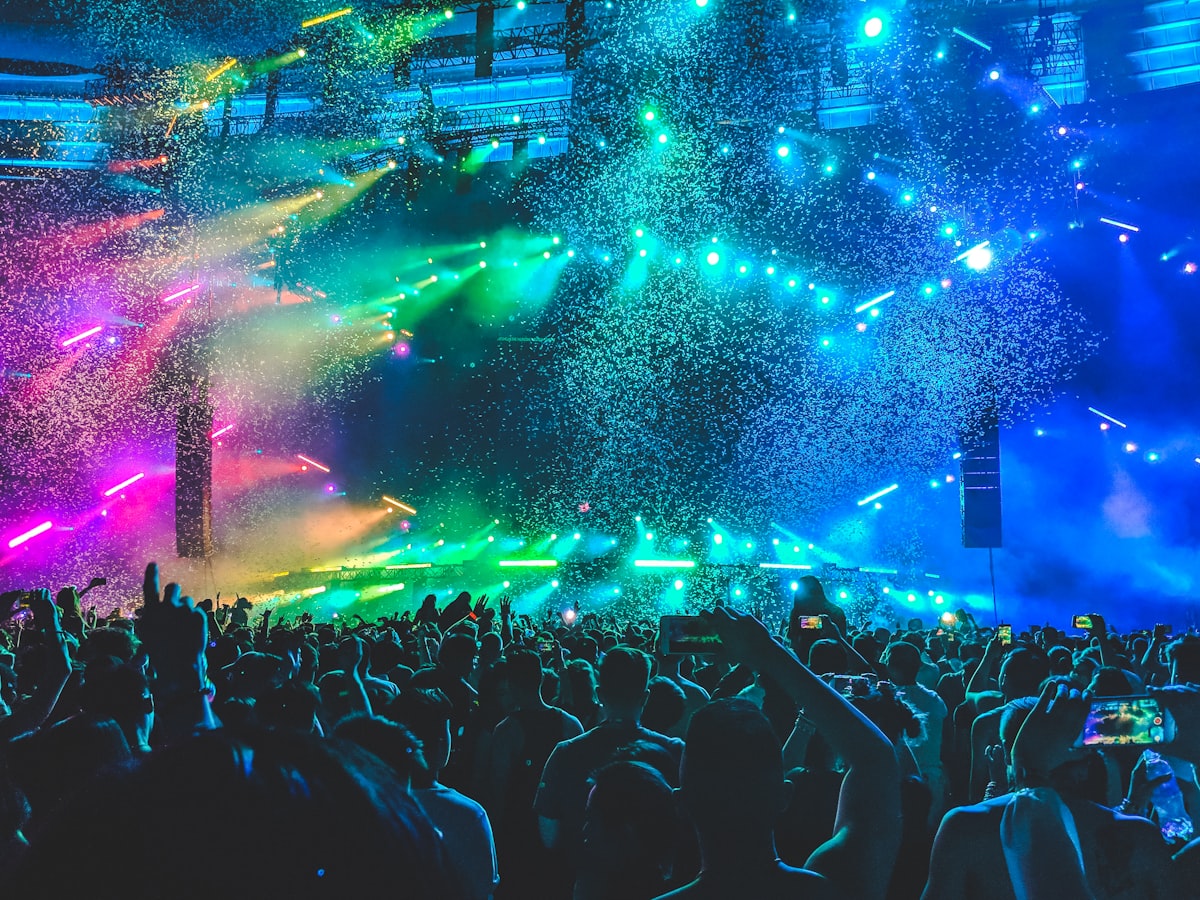
Major services including Netflix, Disney+, and Amazon Prime Video are aggressively acquiring rights to high-stakes live events. From major award ceremonies and music festivals to high-profile comedy specials and marquee sporting events, live broadcasting has become the main engine for subscriber growth across the entertainment industry.
Why It Matters
This industry-wide shift highlights fundamental changes in subscriber retention and digital advertising economics. While traditional binge-watching remains popular, on-demand content suffers from high churn rates. Subscribers routinely sign up to binge a single viral show and cancel their subscriptions immediately after finishing the finale.
Live events provide streaming platforms with three vital advantages:
- Simultaneous Global Reach: Millions of viewers log on at the exact same minute, generating immediate social media momentum and cultural conversation.
- Lucrative Ad Tiers: Advertisers are willing to pay top dollar for real-time, unskippable commercial slots during live broadcasts.
- Sustained Retention: Regular live programming encourages subscribers to maintain their monthly memberships year-round.
The Bigger Picture
For decades, traditional broadcast networks relied on live entertainment as their primary financial anchor. As cord-cutting accelerated over the past decade, legacy TV viewership shrank significantly, prompting media companies to rethink how live programming is distributed.
By taking over live broadcasts, streaming services are effectively recreating the modern cable bundle—only this time, it operates inside digital apps. This strategy allows platforms to capture traditional broadcast advertising revenues while serving a younger, mobile-first audience that shuns traditional cable television.
What's Next
As major platforms compete for premium live rights, viewers can expect heavier investments in interactive broadcast features. Companies are actively testing real-time viewer voting, customizable camera angles, and instant social media integration directly within streaming interfaces.
The line between legacy television and digital streaming has officially blurred. Moving forward, the platforms that win the streaming wars won't just offer the best on-demand library—they will own the moments that bring millions of viewers together in real time.