What Happened
Recent demonstrations across major French cities—including Paris, Lyon, and Lille—descended into looting, property damage, and intense physical clashes between masked groups and security forces. The unrest prompted immediate condemnations from across the political spectrum, exposing deep, long-standing divisions over law enforcement, civil disobedience, and the boundaries of political rhetoric in France.
This latest wave of unrest builds on a volatile socio-political climate marked by contentious national reforms and economic frustrations. As smoke cleared from downtown boulevards, the immediate policy debate quickly shifted from the initial triggers of the protests to an intense political war of words over who bears responsibility for the escalating urban violence.
The Far-Right Reaction
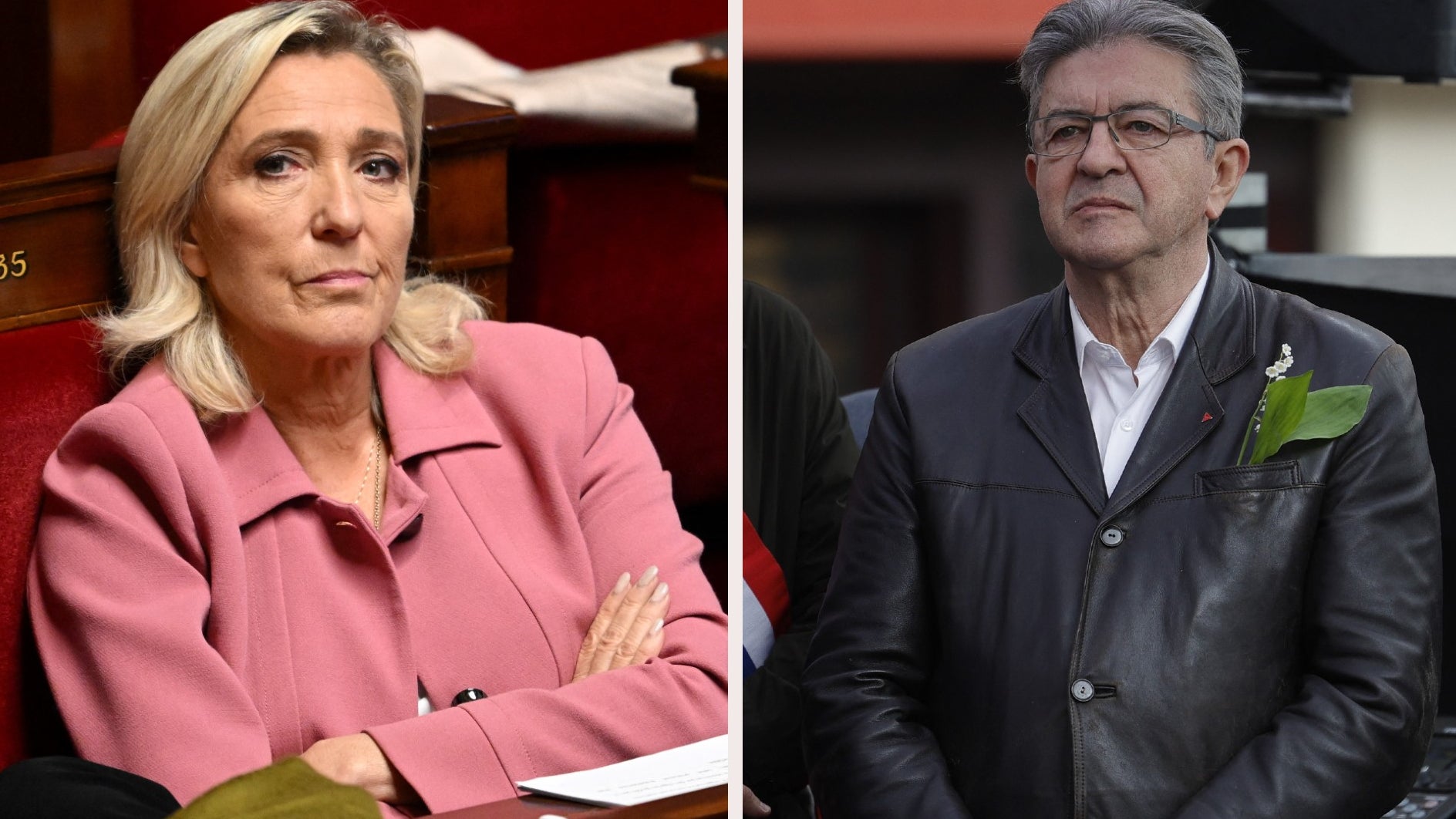
Figures from the French right and far-right swiftly laid the blame squarely on La France Insoumise (LFI) and its parliamentary allies. Marine Le Pen accused the leftist movement of exploiting and hijacking legitimate social grievances to fuel systemic disorder. On social media and in press briefings, she claimed that LFI lawmakers consistently encourage civil disobedience and treat law enforcement as an illegitimate, oppressive force.
Other conservative figures echoed and amplified these sentiments:
- Jordan Bardella publicly denounced what he termed "chaos professionals" embedded within the protest movements.
- Éric Ciotti labeled the street violence "red fascism," accusing the radical left of attempting to bypass democratic institutions.
- Édouard Philippe weighed in by demanding absolute, unyielding firmness from the republic against individuals responsible for public destruction.
The Defense From LFI
Jean-Luc Mélenchon strongly rejected these accusations, pivoting the national conversation toward the government's crowd control tactics and institutional handling of dissent. Present at the Paris march, the LFI leader condemned the aggressive strategy of the police prefecture, accusing authorities of manufacturing disorder through deliberate provocations, excessive tear gas use, and restrictive marching routes.
Mélenchon argued that relentless media loops focusing exclusively on isolated pockets of violence erased the massive majority of citizens who marched peacefully. He maintained that aggressive policing escalated local tensions rather than restoring public order.
Why It Matters
This high-stakes rhetorical clash highlights a deepening polarization in French politics ahead of upcoming electoral cycles. By framing LFI as an internal security threat, the far-right aims to solidify its positioning as the primary defender of law and order. Conversely, LFI seeks to position itself as the sole defender of constitutional rights to protest against what it characterizes as an increasingly authoritarian executive branch.
What's Next
As parliamentary committees prepare to review the handling of the demonstrations, public debate will likely center on the rules of engagement for law enforcement and accountability for public property damage. With trust between the radical left and conservative factions at a historic low, future demonstrations risk triggering even sharper legislative battles and heightened security deployments nationwide.


