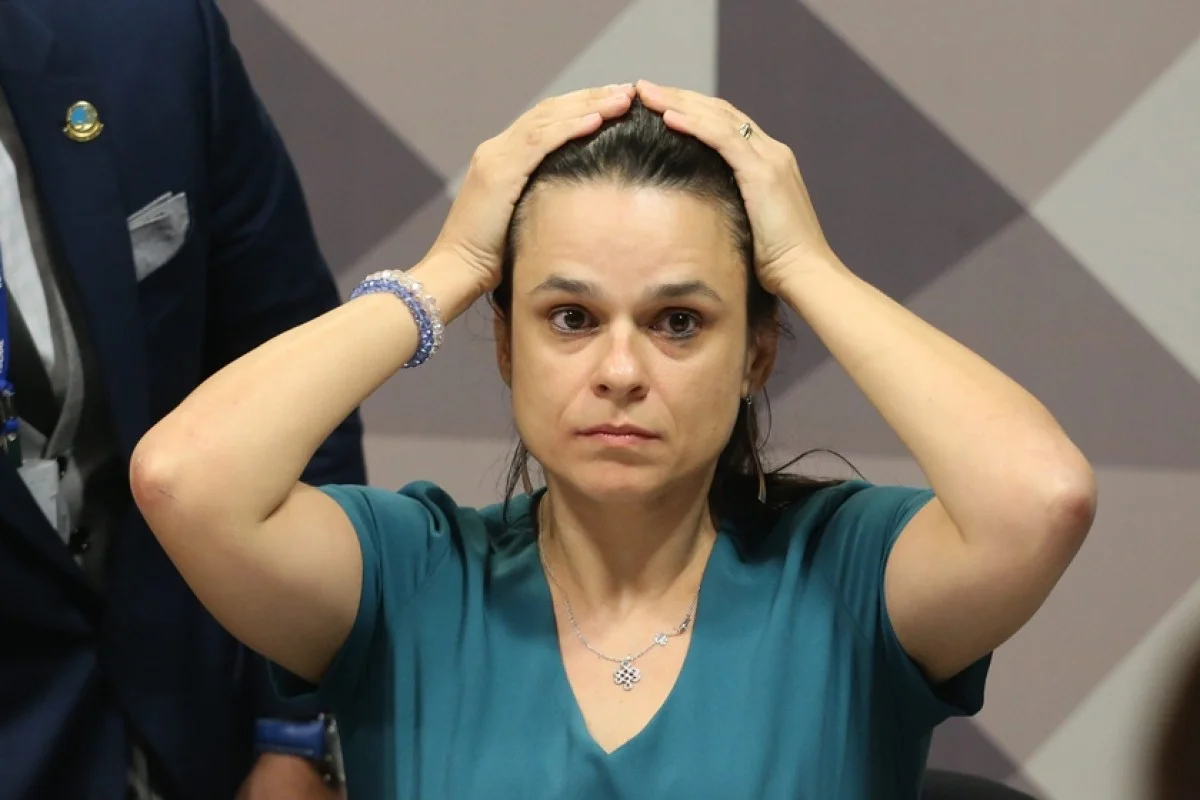
São Paulo City Councilor Janaína Paschoal (PP-SP) recently took to the podium at the municipal chamber to address a surprising political outcome: why she failed to secure a seat in the federal Chamber of Deputies.
As one of the prominent legal authors behind the impeachment petition of former President Dilma Rousseff, Paschoal entered the race as a heavy favorite and a key vote-puller for the Progressistas party. However, the final tally revealed a different reality.
What Happened at the Polls
Paschoal garnered only 46,700 votes—falling short even of her municipal performance. In her previous run for city council, she secured 48,893 votes from the capital.
With this result, she currently sits as the second substitute for the Progressistas party. The party formed a federation with União Brasil, securing five total seats: Sargento Nantes, Maurício Neves, and Coronel Telhada from the PP, alongside Sirlange Manga and Milton Leite Filho from União. By comparison, previous election cycles saw much larger combined delegations for these center-right alignments.
Seeking Voter Feedback
Faced with the unexpected outcome, Paschoal publicly asked her electorate for feedback. She questioned whether her defeat stemmed from a lack of merit, a communication failure, or a broader shift in voter preferences.
Highlighting her legislative track record, Paschoal emphasized her active oversight of public spending, careful allocation of amendments to reputable institutions, and rigorous study of proposed bills.
"Is this work not being seen? Or, if it is seen, is it undervalued? Or do people feel this profile is simply not interesting at this historical moment in the Federal Chamber?" she asked the assembly.
The Broader Political Landscape
While Paschoal evaluates her personal campaign strategy and visibility, political analysts point to broader macroeconomic and structural shifts.
Recent election cycles have seen notable surges for specific factions, such as the Liberal Party (PL), while the representation of traditional center-right parties faces complex headwinds. As Paschoal weighs her political future, her open call for reflection highlights the ongoing disconnect between traditional legislative profiles and changing voter demands in modern Brazilian politics.


