What Happened
The countdown to Grand Theft Auto VI continues to drive unprecedented conversation across the entire entertainment industry. Rockstar Games has managed to capture global attention without needing a constant stream of updates, turning every minor rumor or official trailer drop into a massive internet phenomenon.
Gamers and industry analysts alike are dissecting every pixel of available promotional material. The sheer magnitude of the game's cultural footprint has established a new benchmark for how modern entertainment properties launch and market themselves in the digital age.
Important Context
To understand the current fervor, it helps to look at the franchise's monumental history. Released back in 2013, Grand Theft Auto V went on to ship over 190 million copies, making it one of the most financially successful entertainment products of all time.
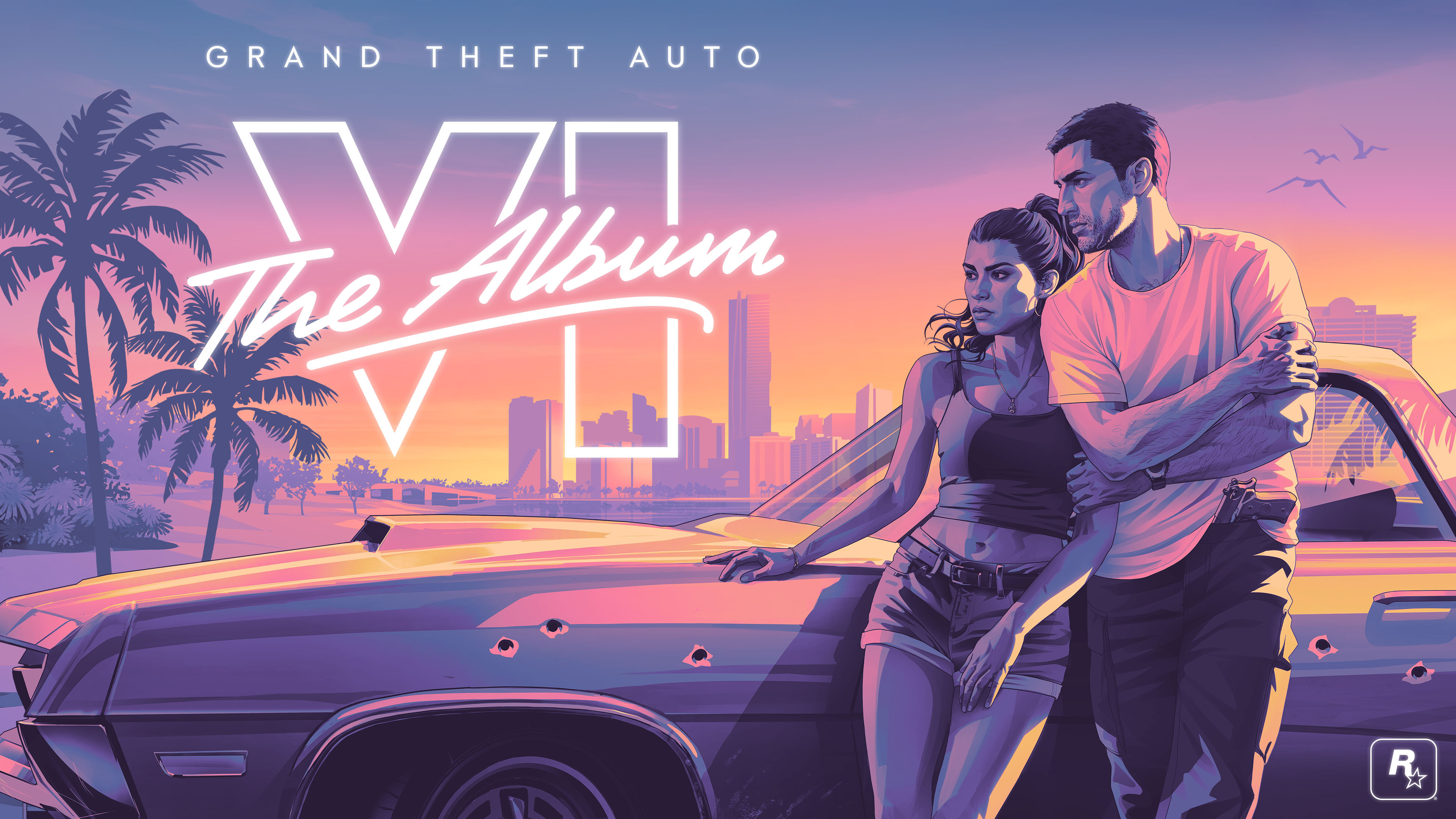
Rockstar has set exceptionally high expectations by taking a measured, multi-year development approach for the sequel. Set to return to the sun-soaked, satirical streets of Vice City—this time featuring dual protagonists in a modern, social-media-obsessed setting—the upcoming title aims to push boundaries in open-world design, non-player character artificial intelligence, and overall player immersion.
Why It Matters
Few entertainment products command the economic and cultural gravity of the GTA franchise. GTA 6 represents much more than just a new video game; it is a vital financial catalyst for the broader gaming ecosystem.
Hardware manufacturers, including Sony and Microsoft, are banking on the title to drive console upgrade cycles for the PlayStation 5 and Xbox Series X/S. Furthermore, competing publishers frequently shift their release calendars to avoid competing directly with Rockstar's launch window, proving that the game's market footprint dictates industry-wide strategy.
What's Next
As the release window draws closer, speculation regarding pricing, platform availability, and gameplay mechanics will only intensify. Industry watchers expect Rockstar to roll out more structured promotional content, setting the stage for what is shaping up to be the biggest entertainment release of the decade.