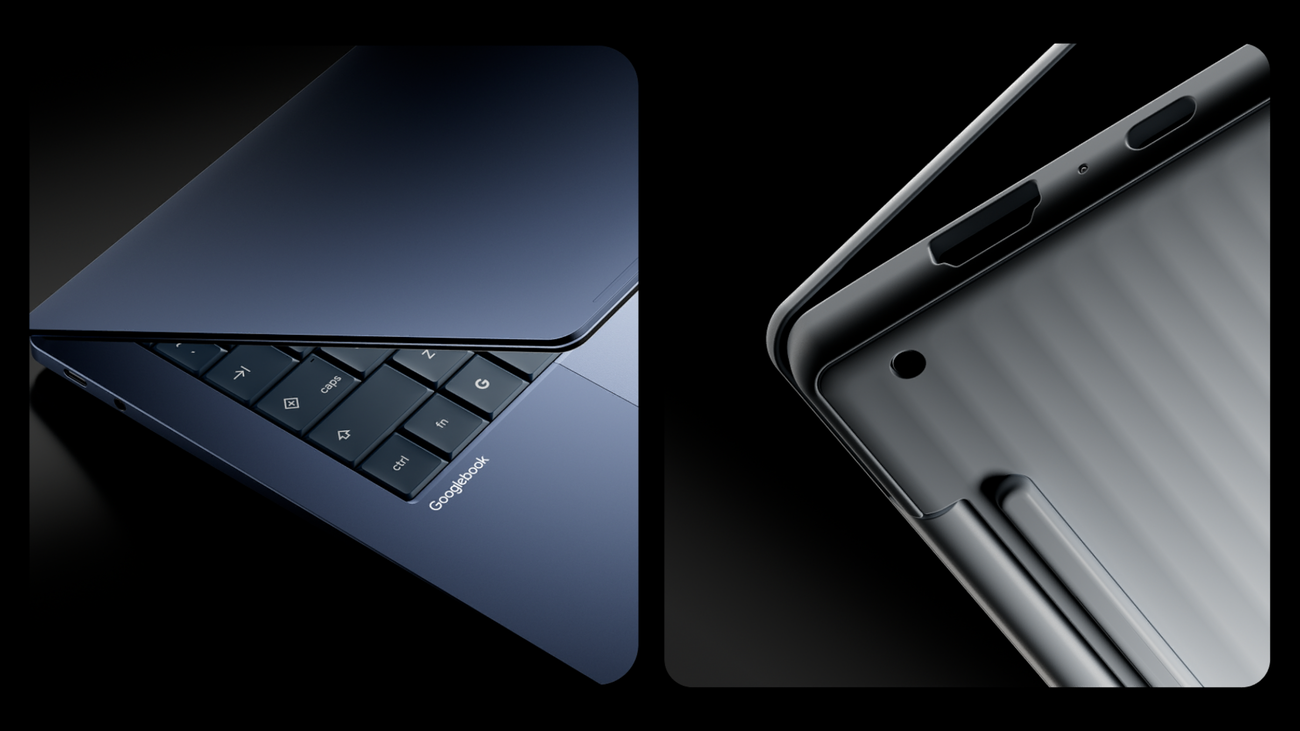
Google is officially entering a new hardware category with the launch of the Googlebook, a premium laptop built to bridge the gap between desktop computing and Android mobile devices. Starting at $899, these devices combine top-tier manufacturing from prominent PC brands like Acer, ASUS, Dell, HP, and Lenovo with Google's custom software stack.
Pre-orders are live now ahead of the official retail release on October 4.
Background and Context
For years, the consumer laptop market has been sharply divided between traditional Windows PCs, Apple’s macOS ecosystem, and Google's own lightweight Chromebooks, which primarily targeted education and budget-conscious buyers. While Chromebooks gained massive popularity for their simplicity and cloud reliance, they often struggled to compete with high-end machines in professional creative workflows and local processing power.
Simultaneously, Google has steadily unified its software foundations, bringing core Android frameworks closer to the ChromeOS desktop architecture. The Googlebook represents the culmination of this multi-year engineering convergence, positioning Google to compete directly in the premium laptop sector currently dominated by Apple's MacBook Air and high-end Windows ultrabooks.
What Happened
The Googlebook is designed around a shared foundation combining Android technology and ChromeOS desktop roots. Built specifically for Gemini Intelligence, the hardware features dedicated Neural Processing Units (NPUs) capable of over 45 TOPS (Trillions of Operations Per Second), up to 14 hours of battery life, and vivid OLED touchscreens wrapped in aluminum and carbon fiber.
A notable design inclusion is the Glowbar, an exterior light strip that reacts with dynamic animations when users interact with Gemini, alongside functioning as a subtle status indicator for system notifications and battery levels.
Why It Matters
For years, moving tasks between a mobile phone and a laptop has involved manual workarounds, cloud file transfers, or third-party apps. The Googlebook eliminates this friction by instantly syncing settings, Wi-Fi networks, saved passwords, and messaging threads via end-to-end encryption the moment a user signs in with their Android phone.
The machine also bridges app ecosystems in a way previous devices could not. Users get the full desktop Chrome browser alongside millions of optimized Android apps, native creative tools like Adobe Photoshop, and offline media streaming support. For power users and engineers, the device includes a Level 5 security-certified pKVM hypervisor running an isolated Linux environment, facilitating advanced local coding and AI agent development without compromising system security.
What's Next / Future Outlook
To accelerate adoption, every Googlebook purchase includes a 12-month subscription to Google AI Pro—which provides 5TB of cloud storage and advanced Gemini tools—alongside trial bundles for YouTube Premium and professional Adobe software.
Physical devices hit store shelves on October 4 in the United States, followed by rapid international rollouts in Canada, the U.K., Ireland, France, Germany, and Australia on October 5. Industry analysts will be closely monitoring whether this unified hardware approach can successfully capture market share from established ecosystem giants.

