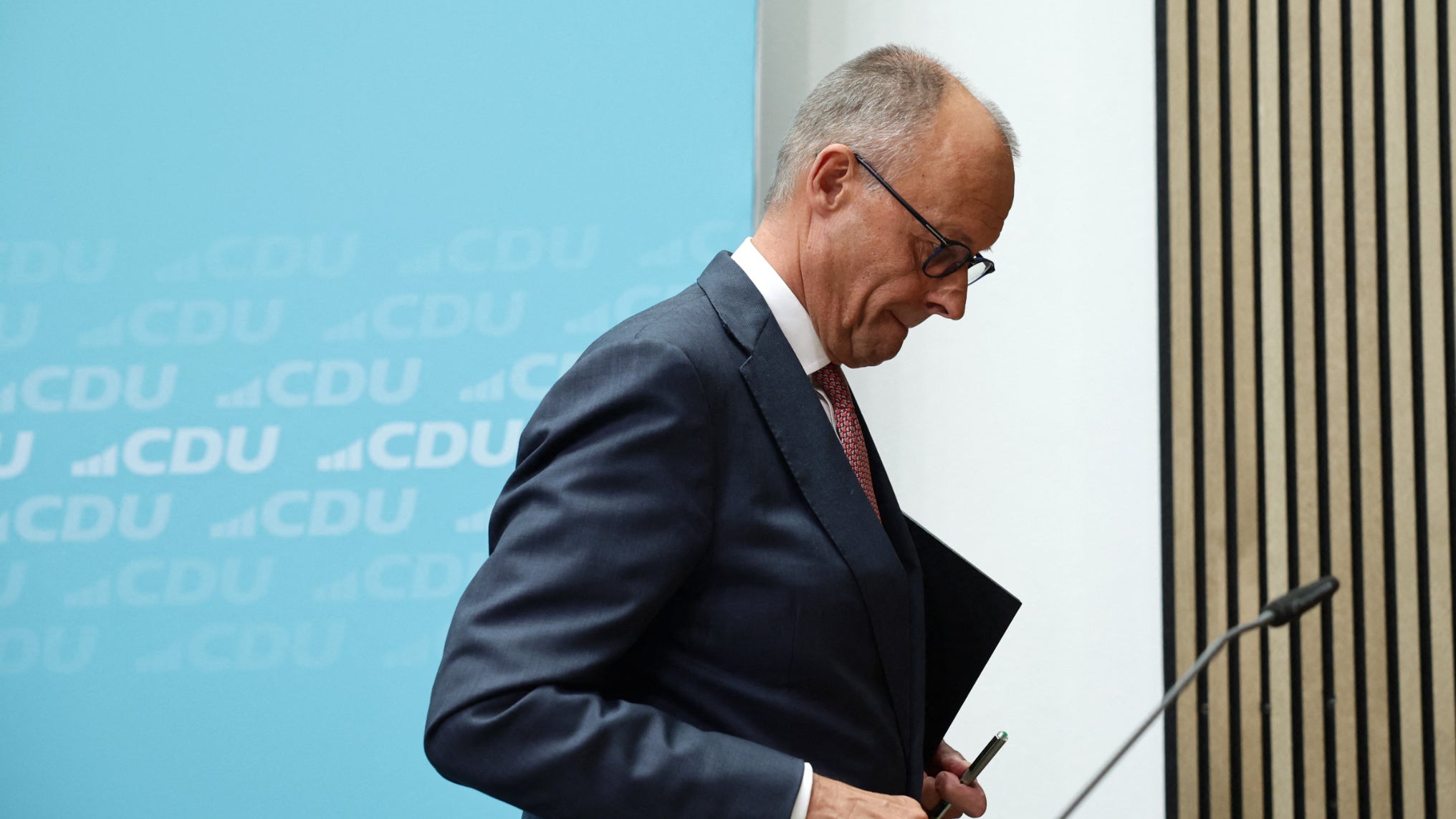
German Chancellor Friedrich Merz is facing the darkest moment of his political career. Following a string of devastating regional election defeats and a historic surge by the far-right Alternative for Germany (AfD), the nation's leadership is under intense pressure.
As economic strains compound political missteps, experts are questioning whether the embattled chancellor can survive the mounting internal and external backlash.
## What Happened in the Regional Elections
The far-right AfD secured a stunning victory in the northeastern state of Mecklenburg-Western Pomerania, capturing roughly 38% of the vote. Meanwhile, in the capital of Berlin, the party surged to 15%.
These results arrive on the heels of another major defeat in Saxony-Anhalt, where the AfD claimed 43% of the vote. For Merz’s center-right CDU, the toll has been catastrophic. In Mecklenburg-Western Pomerania, the CDU failed to clear the 5% threshold required to enter the regional parliament—a humiliation that Merz publicly labeled a "disaster."
Data from polling institutes reveals a stark reality: hundreds of thousands of former CDU voters are defecting directly to the AfD, driven by deep dissatisfaction with mainstream governance.
## Why the Chancellor is Struggling
Merz initially campaigned on a platform of strict security and border enforcement designed to curb the far-right's momentum. However, voters dissatisfied with broken promises on immigration have instead turned to the opposition in droves.
Economic anxiety is compounding the political fallout. Germany continues to grapple with stubborn energy inflation following geopolitical conflicts, while industrial sectors—particularly automotive manufacturing—face severe headwinds and rising unemployment.
Critics also point to Merz’s personal style, which has frequently been perceived as aloof or moralizing. With his national disapproval ratings hovering near record highs, opposition figures openly claim that his political twilight has begun.
## What's Next for Berlin's Coalition
Despite intense speculation regarding a premature departure, Merz insists he will remain at the helm of both the CDU and the government, framing his reform agenda as an essential defense of democratic institutions.
However, his coalition partners in the left-leaning SPD are demanding an immediate shift in policy, particularly regarding state pensions and government spending. While top party loyalists are currently closing ranks to protect their leader, the political margin for error has completely vanished.