What Happened
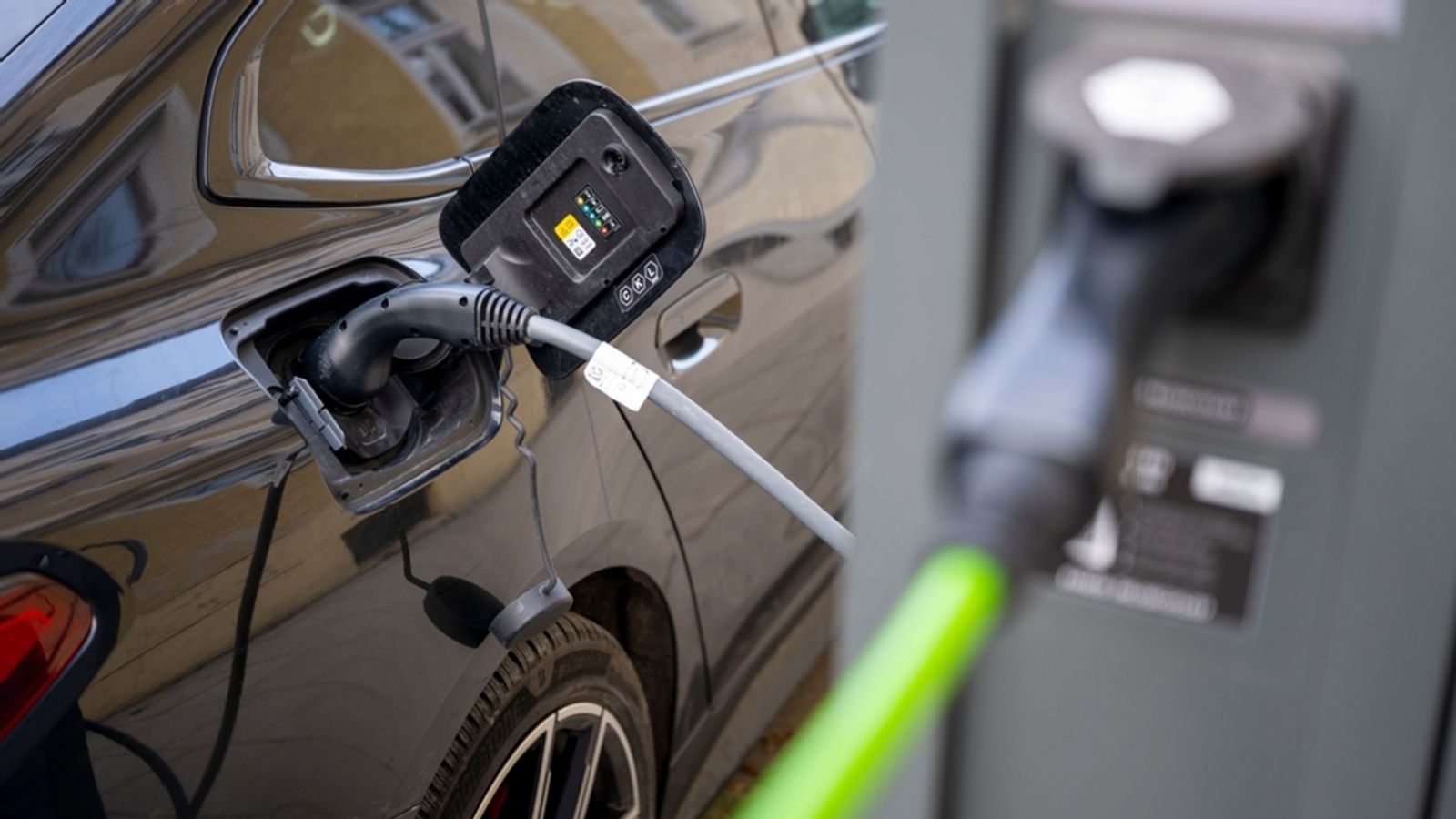
The electric vehicle market is experiencing a massive wave of momentum. Between January and September, more than 600,000 pure electric cars were newly registered in Germany, already surpassing the total for the entire previous year.
By September, EVs accounted for 34.5 percent of all new vehicle registrations, a steep climb from just 22 percent in January. Meanwhile, traditional combustion engine cars continue to lose ground rapidly, with petrol cars dropping to a 17.4 percent market share and diesel falling to just nine percent.
Despite 100,000 official state purchase premiums being approved since mid-May, market analysts note that consumer demand is growing so rapidly that the sector is thriving largely on its own merits.
Why It Matters
Electric vehicles have clearly broken out of their niche and landed firmly in the mass market. This shift is driven by three major factors: expanding choices, falling price gaps, and improved infrastructure.
Car buyers now choose from dozens of models across compact, mid-size, and luxury segments. Traditional giants like the VW Group, BMW, and Mercedes face growing competition from international brands and new manufacturers from China.
Furthermore, the price barrier is shrinking fast. According to the Center Automotive Research (CAR), electric cars were on average only about 2,100 euros more expensive than comparable combustion models in September. Back in 2024, that price gap sat at over 7,300 euros. Combined with growing battery ranges and more than 212,000 public charging points nationwide, switching to electric has never been more practical.
Important Context
While the new purchase premium—offering between 1,500 and 6,000 euros depending on household income—has provided an extra push, its social targeting has had mixed results.
The subsidy is designed to help lower-income households adopt clean energy vehicles. Data shows that about half of all applicants report an annual household income of 4,500 euros or less, validating the income cap. However, only about a third of approved applicants actually have children, suggesting the incentive has not yet fully reached larger families as initially hoped.


/https://i.s3.glbimg.com/v1/AUTH_e84042ef78cb4708aeebdf1c68c6cbd6/internal_photos/bs/2026/A/8/DEBV3UTNG94fHkEWC5hQ/pedro-qac.jpg)