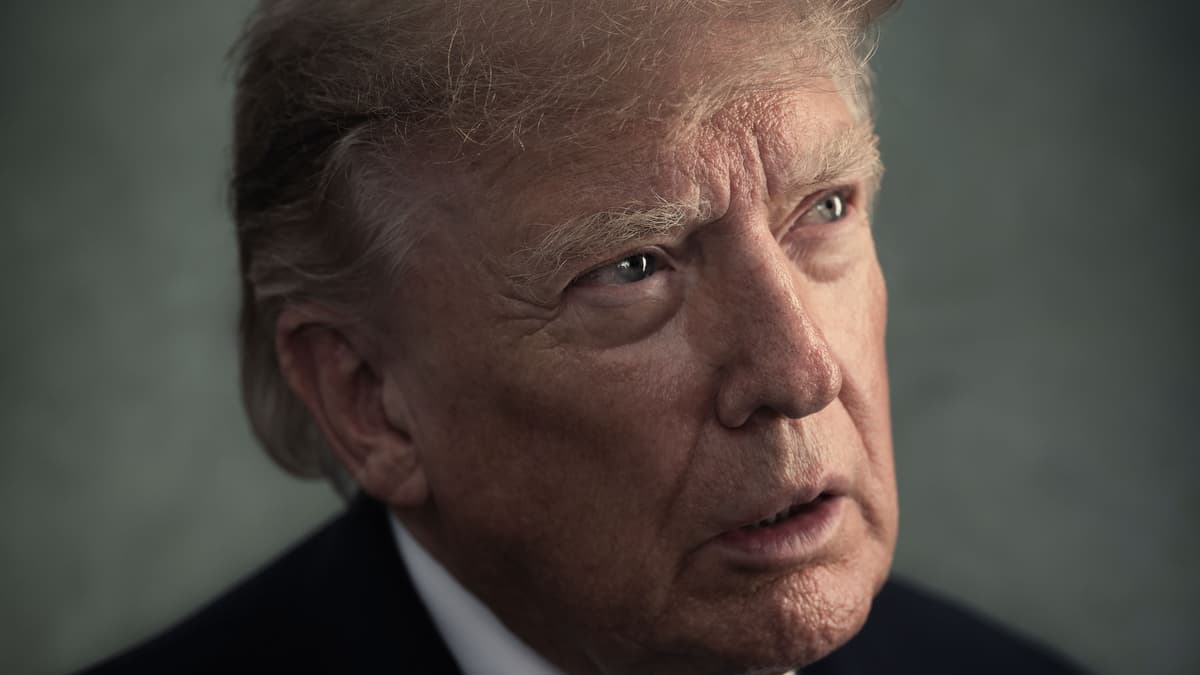
Every year, as the final months approach, major entertainment outlets publish their annual memorial roundups. This year, Entertainment Weekly’s tribute to the stars we lost in 2026 has instantly climbed to the top of trending feeds.
While these lists serve as a solemn roll call of the artists, actors, and icons who shaped the cultural landscape, their highly viral nature reveals something deeper about our collective psyche.
The Science of Parasocial Grief
Why do we feel genuine sorrow for people we have never actually met? Psychologists point to "parasocial relationships"—one-sided connections where media consumers develop strong emotional bonds with public figures.
When a beloved actor, musician, or creator passes away, the public feels a loss that is surprisingly personal. These figures often represent specific eras of our lives. Hearing a song from our teenage years or watching an actor we grew up with triggers deep nostalgia. When that artist dies, a piece of our own personal history feels altered. The 2026 memorial lists act as a mirror, reflecting our own passage of time and mortality.
The Digital Wake: Mourning in the Algorithmic Age
In the digital era, grief has become highly interactive. A trending memorial list is no longer just a passive page in a magazine; it functions as a virtual gathering space.
Platforms like TikTok, X (formerly Twitter), and Instagram quickly transform individual sorrow into a shared global experience. Within minutes of a memorial announcement:
- Fans post high-definition tribute edits and classic clips.
- Comment sections turn into digital guestbooks for shared memories.
- Algorithmic feeds push legacy content back into the mainstream, introducing older icons to younger audiences.
This digital wake allows people to find community in their sadness, proving that online spaces can offer genuine emotional connection during times of loss.
Why Year-End Memorials Matter
Ultimately, year-end roundups are essential cultural archives. They do more than catalog loss—they celebrate creative legacy.
These archives help us contextualize major cultural shifts, marking the end of specific artistic eras while paving the way for new voices. As the public reflects on the legacies left behind in 2026, these tributes serve as a powerful reminder of the permanent imprint left by those who entertained, inspired, and connected us.