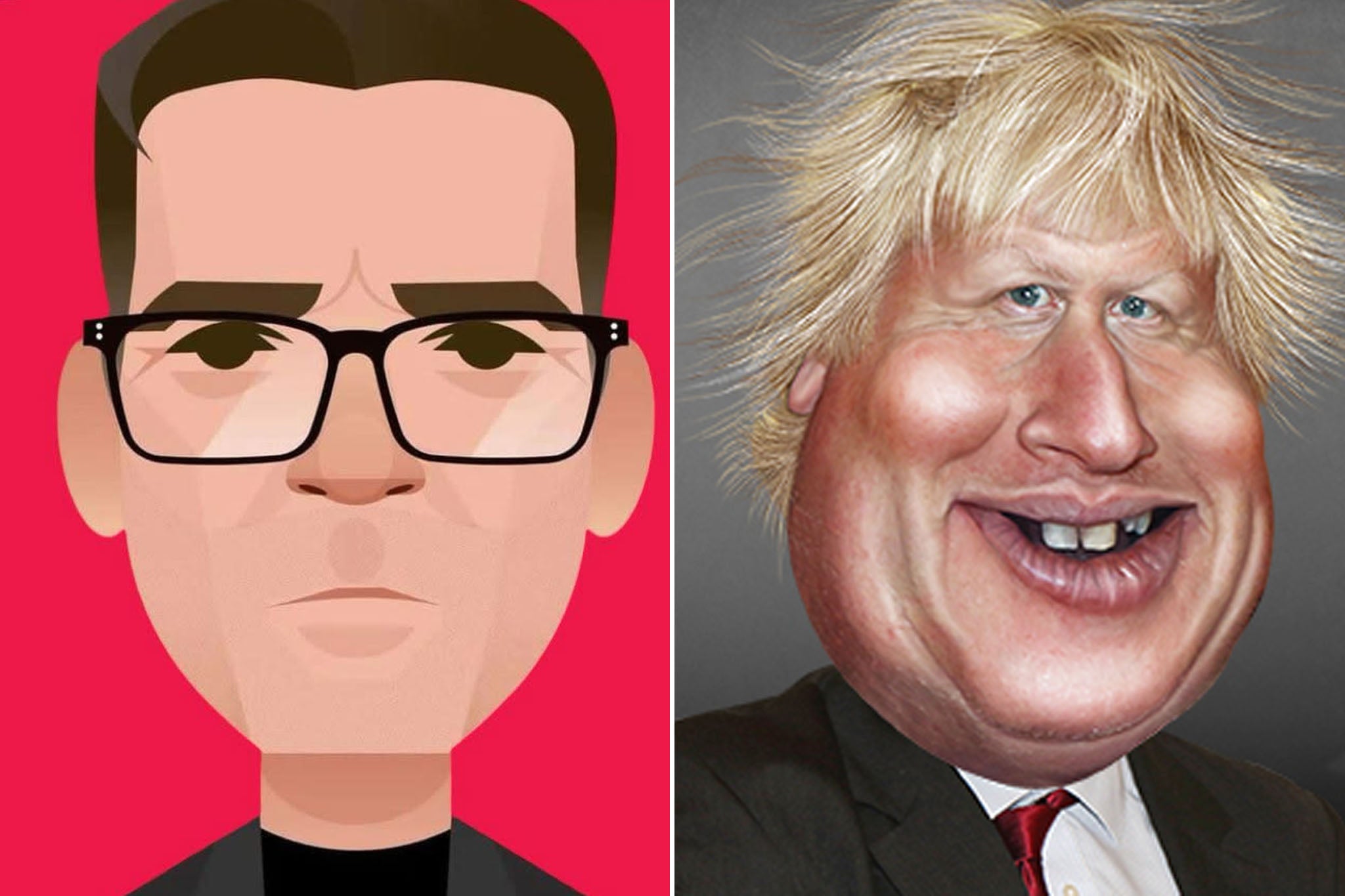
What Happened
The playbook that once rocketed Boris Johnson to power is finding a new home across the political aisle. Prime Minister Andy Burnham is drawing heavy comparisons to the Conservative populist, earning the moniker the "Boris of the left" from critics like Nigel Farage.
Much like Johnson did during his political ascent, Burnham has leaned heavily into a larger-than-life personal brand. When Burnham secured his recent parliamentary win, his campaign strategy bypassed traditional party branding entirely, utilizing a cartoon-style portrait and a focus on personal identity over party politics.
From appearing on mass-appeal television programs like Celebrity Gogglebox to cultivate an everyday-person persona, the tactical playbook feels unmistakably familiar.
Why It Matters
Beyond the carefully cultivated public images, the ideological shifts signaled by Burnham are sending shockwaves through Westminster. For nearly a decade, questioning the finality of Brexit remained the ultimate third rail in British politics—a taboo that Keir Starmer strictly avoided out of fear of alienating crucial working-class voters.
Burnham, representing a traditional "Red Wall" seat, has shattered that silence. In just 100 days as prime minister, he has openly criticized the economic toll of Brexit and signaled a willingness to mend or reverse parts of the historic split. Because of his relatable, populist appeal, he has managed to broach the subject without immediately fracturing his political support base.
Important Context
Boris Johnson's populist appeal relied heavily on treating politics like entertainment, presenting himself as a harmless personality rather than a conventional leader. However, that public goodwill ultimately evaporated when voters connected his political style to the real-world economic consequences of his policy promises.
While Burnham is currently winning praise for finally opening up a frank, unvarnished national conversation about the true impact of Brexit, political observers are watching closely to see if his administration can deliver genuine substance.
Ultimately, if Burnham hopes to carve out a distinct legacy rather than merely mirroring the populist style of his predecessor, his administration must prove that policy substance can match the political theater.


