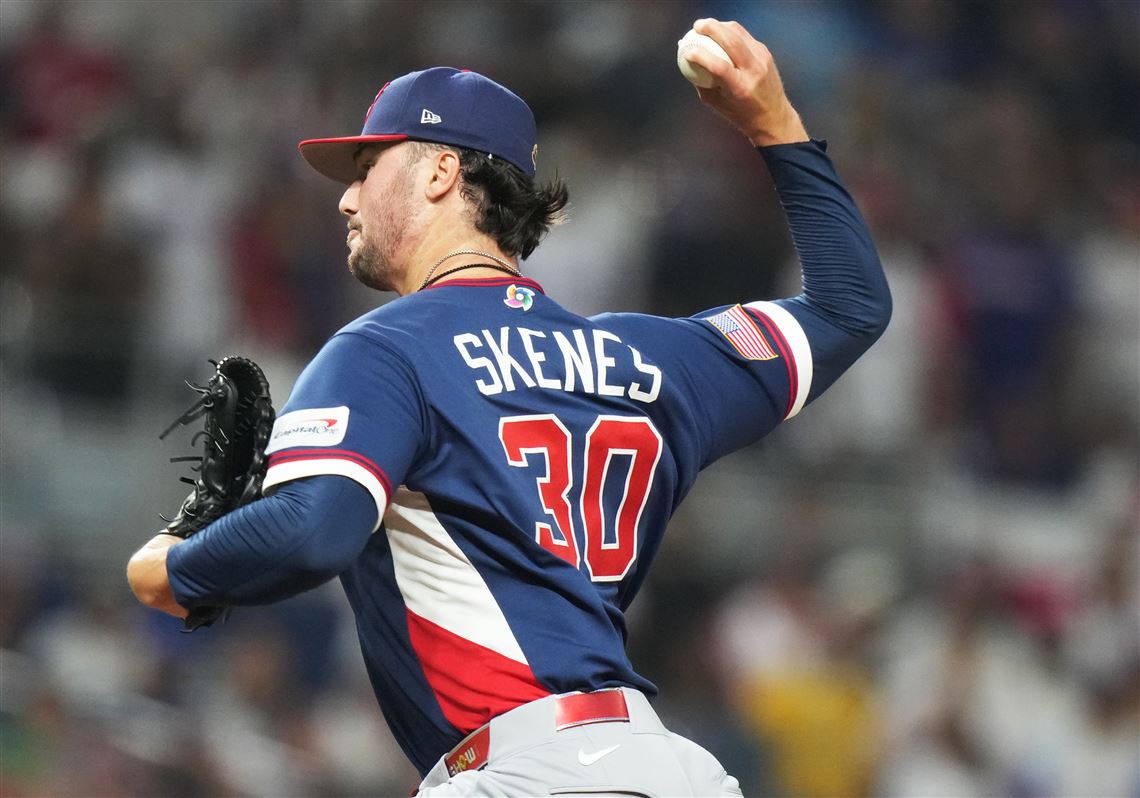
Baseball is undergoing a profound transformation. Long criticized by casual observers for being slow-paced, America's pastime has successfully reinvented itself for a faster, modern era.
From pacing adjustments to an influx of dynamic international talent, the sport is capturing the interest of younger demographics in ways unseen for decades.
What Changed the Game
The most significant catalyst for baseball's resurgence has been structural modernization. For years, game durations had crept upward, alienating younger audiences accustomed to fast-paced digital media. The implementation of the pitch clock dramatically altered this trajectory, shortening average game times by nearly thirty minutes and eliminating the notoriously long lulls between pitches that previously tested fans' patience.
Concurrently, league rule changes restricted extreme defensive shifts, injecting more offense and athletic plays back into the game. Front offices have also fully embraced advanced analytics, optimizing player performance while managers encourage aggressive base-running and higher-action play on the field.
The Global Phenomenon
Beyond domestic adjustments, baseball has truly become a global game. The pipeline of elite talent from Japan, South Korea, Latin America, and the Caribbean has introduced generational superstars to the league, fundamentally shifting its cultural footprint.
These athletes bring massive international audiences with them, turning domestic matches into global television events and fueling unprecedented cross-border engagement, merchandise sales, and digital streaming numbers.
Why It Matters
For years, sports industry analysts questioned whether baseball could retain its cultural relevance in a digital-first entertainment landscape. The financial and viewership implications of this shift are substantial:
- Demographic Rejuvenation: Faster game pacing has successfully attracted younger, mobile-first fans who previously found the sport inaccessible.
- Global Revenue Streams: International viewership and sponsorships have opened up lucrative new markets for teams and league broadcast partners.
- Player Branding: The league is increasingly leaning into individual player personalities, boosting social media engagement and mainstream cultural cachet.
The successful pivot proves that traditional sports can adapt without losing their core identity. By prioritizing viewer experience and showcasing elite athletic personalities, the sport has secured a robust financial and cultural footprint.
Future Outlook
As leagues continue to experiment with broadcasting formats, immersive in-stadium tech, and expanded international series, baseball's modern renaissance serves as a blueprint for how legacy sports can thrive in the twenty-first century. The primary challenge ahead will be maintaining this momentum across minor league pipelines and amateur levels to ensure a steady, sustainable influx of future global stars.
