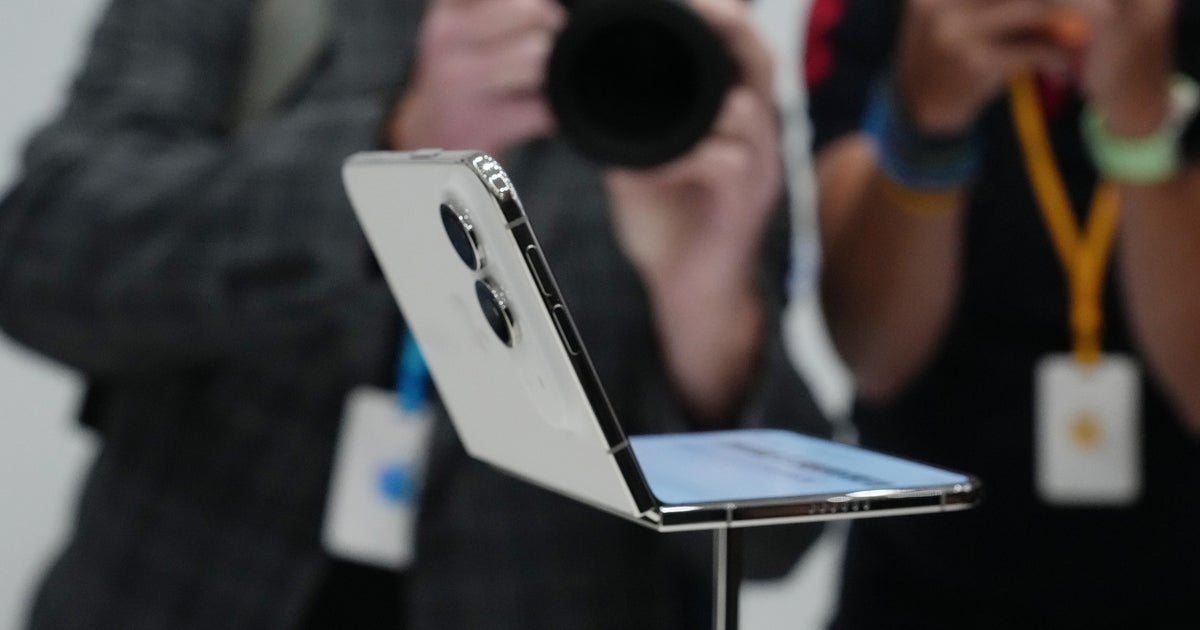
Apple is experiencing a massive rush for its newly unveiled foldable device. Early pre-order sales for the much-anticipated hardware indicate that consumer interest is running significantly higher than initial inventory levels.
What Happened
The pre-order window for the iPhone Duo opened at 8 a.m. ET via apple.com and the Apple Store app. Within minutes of launch, shipping estimates for the device slipped past the official October 23 release date.
By Friday afternoon, the high-end device faced widespread backorders stretching into late January. Industry analysts noted that local retail pickup slots across major metropolitan areas vanished almost instantaneously. Apple has not yet disclosed exact sales figures or total pre-order volume, but supply chain sources point to strict initial component yields as a primary bottleneck.
Background & Context
For years, competitors like Samsung, Google, and OnePlus dominated the foldable smartphone category, iterating through multiple generations of book-style and clamshell hardware. Apple notoriously delayed entry into the segment, preferring to let the nascent technology mature—particularly concerning display crease durability, hinge reliability, and battery optimization.
The unveiling marks a critical turning point. By introducing a foldable form factor under its flagship brand, Apple has effectively validated the entire product category for mainstream consumers who previously viewed foldables as niche, experimental gadgets.
Why It Matters
Priced starting at $1,999 for the 256GB base model, the Duo represents a major strategic shift for Apple into the ultra-premium foldable market. Announced last month alongside the iPhone 18 lineup, the device features a passport-sized folded profile and unfolds into Apple's largest mobile display yet, resembling a compact iPad.
The software utilizes a redesigned split-screen interface, allowing users to run two distinct apps simultaneously or open dual windows of the same webpage for side-by-side tasks like comparison shopping and professional workflows. This hardware-software synergy is driving intense upgrade interest among enterprise users and tech enthusiasts alike.
What's Next
Wall Street analysts remain bullish on the device's commercial trajectory despite early supply constraints. Market experts project that Apple could move roughly 10 million units over the next few quarters, with sales potentially scaling up to 25 million units through 2027 as global manufacturing partners ramp up production lines to meet sustained consumer demand.


