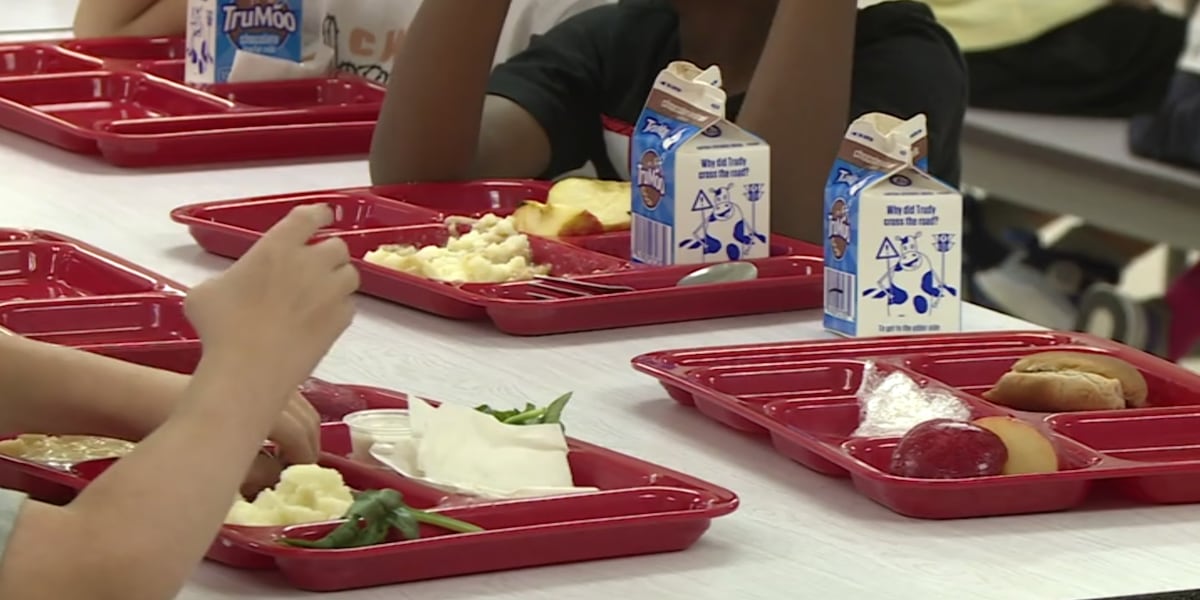
North Dakota voters will decide on a major ballot initiative this November that could guarantee free breakfast and lunch for all K-12 public school students. Known as Measure 2, the initiative aims to eliminate school lunch debt and offer significant financial relief to families across the state.
Here is what you need to know about the upcoming vote.
Inside the Free School Meals Proposal
If approved by voters, Measure 2 will amend the North Dakota state constitution. This amendment would mandate that earnings from the state’s multi-billion-dollar Legacy Fund—a sovereign wealth fund fueled by oil and gas tax revenues—be used to cover the costs of school breakfasts and lunches for all public school students.
The coalition leading the push, Together for School Meals, successfully gathered enough signatures to place the measure on the ballot after state lawmakers rejected a similar expansion bill during a special legislative session in January. Proponents estimate that universal free meals would save families roughly $1,000 per student every year.
Why Proponents are Pushing for Change
The debate comes at a critical time for school districts. According to the state’s Department of Public Instruction, North Dakota's public schools are currently facing more than $2 million in unpaid school meal debt.
State nutrition officials attribute this growing debt to several systemic factors:
- Confusion over federal eligibility guidelines.
- Fluctuating family incomes that disqualify students mid-year.
- Simple oversights, such as forgotten or missed payments.
Currently, North Dakota law prevents schools from using federal non-profit food service funds to clear this debt. Instead, school districts must recover unpaid balances directly from parents or cover them using local, non-federal funds.
The Pushback: Constitutional vs. Statutory
While the proposal has strong grassroots backing, it also faces notable opposition—including from the state’s top executive.
North Dakota’s governor has publicly stated he will not vote in favor of Measure 2. While expressing empathy for families and understanding the frustrations surrounding school meal debt, the governor raised concerns about altering the state constitution. He argued that policy of this nature should have been introduced as a statutory ballot measure, which is easier for lawmakers to adjust or refine over time, rather than a permanent constitutional amendment.
What's Next
Voters will have the final say on Measure 2 on Election Day. If passed, North Dakota would join a growing list of states seeking to implement universal free school meals, fundamentally shifting how public education and student nutrition are funded in the state.