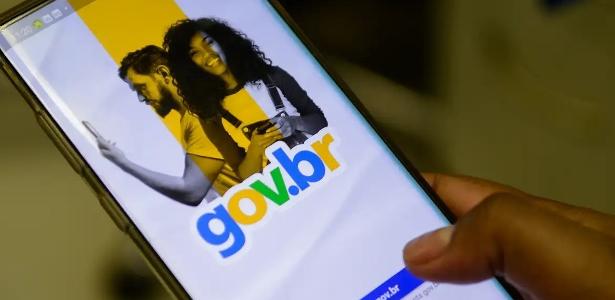
Millions of citizens in Brazil are finding themselves locked out of vital public services as digital government systems outpace daily accessibility. A striking audit presented to Brazil’s Federal Court of Accounts (TCU) reveals that approximately 84.6 million Brazilians did not use the official Gov.br platform throughout 2025.
While digital governance promises speed and efficiency, the findings highlight a growing digital divide across the nation.
What Happened
The TCU audit breaks down the 84.6 million non-users into two primary categories:
- 39.6 million people had no Gov.br account established at all.
- 45 million people held active registrations but did not log into the system during the entire year.
More critically, an estimated 6.7 million users actively attempted to access their accounts but failed to complete a single successful login.
The audit also uncovered a severe shortage of non-digital fallback options. Out of 5,616 federal public services analyzed, 4,056 offered zero in-person service steps. Only 131 services could be completed entirely either online or in person.
Why It Matters
For millions of citizens, the transition to digital-first federal administration has introduced financial and structural hurdles:
- Third-Party Costs: In the Federal District, frustrated users paid up to R$ 40 at local internet cafes (lan houses) simply to create or unblock their accounts.
- Infrastructure Deficits: States like Amapá suffered from recurring power and internet outages, creating severe access barriers.
- Demographic Challenges: Older residents in states such as Minas Gerais reported substantial difficulties navigating complex digital verification steps without human assistance.
While not every non-user needed government services in 2025, the absence of hybrid support channels risks leaving vulnerable groups behind.
Important Context
The Ministry of Management and Innovation in Public Services pointed to rapid platform growth as proof of digital expansion. Official indicators show total registered accounts reached 179.5 million by October 2026, with over 80 million unique monthly users recorded in March 2026 alone.
However, the TCU pointed out that high overall registration numbers do not guarantee that every citizen can successfully navigate digital portals when essential needs arise.
What's Next
To fix these structural gaps, the TCU issued recommendations directed at key federal entities, including the Internal Revenue Service (Receita Federal) and the National Social Security Institute (INSS):
- Expand Physical Access: Expand the Balcão gov.br physical assistance network from 277 units (covering 25% of the population) to a target of 950 points by late 2026.
- Simplify Account Recovery: Streamline login procedures and password reset pathways.
- Restore In-Person Alternatives: Ensure crucial public services maintain operational non-digital service routes.


