What Happened
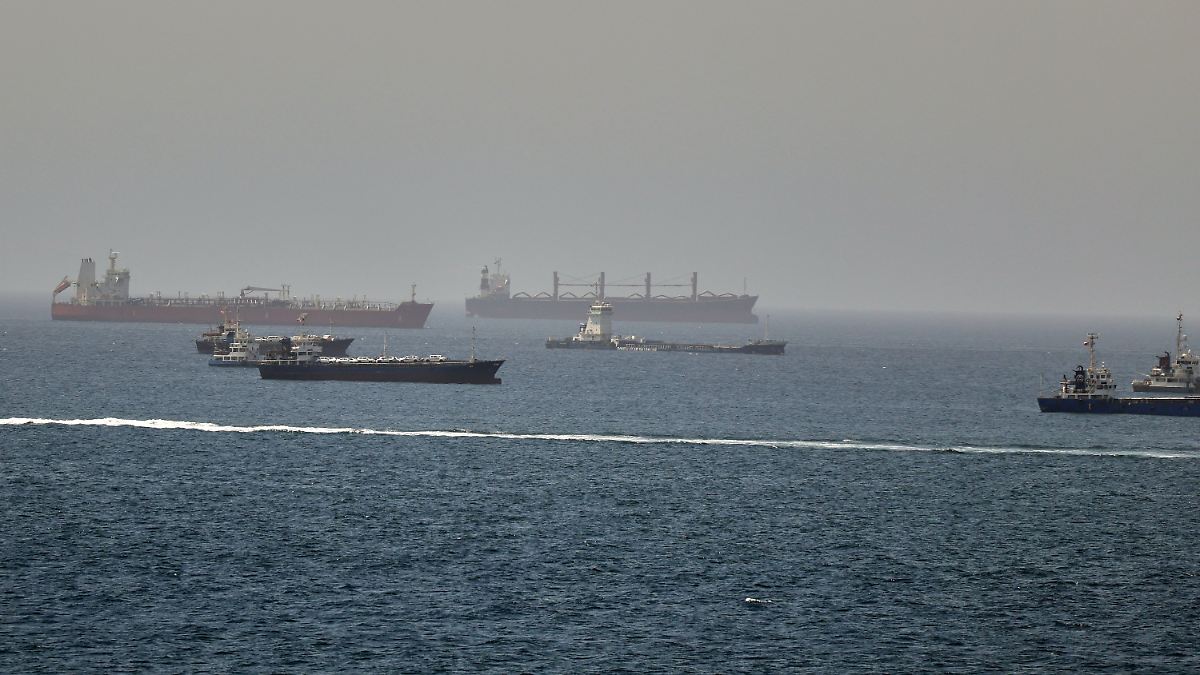
Global energy markets face renewed turbulence following a fresh projectile attack on a vessel in the critical Strait of Hormuz, according to the British Maritime Trade Operations (UKMTO).
This incident follows Saudi Arabia's decision to temporarily shut down its vital East-West oil pipeline after a targeted drone strike. The 1,200-kilometer infrastructure route had served as a primary bypass for international oil transit amidst ongoing regional instability, carrying up to five million barrels daily—roughly four to five percent of total global supply.
Consequently, international benchmark Brent crude recently surged back above $100 per barrel, heightening fears of a prolonged global energy squeeze and renewed inflationary pressures across Western economies.
Background & Context
The roots of the current crisis trace back to years of simmering geopolitical tensions between Iran, Gulf monarchies, and Western powers. The Strait of Hormuz handles roughly a fifth of the world's petroleum consumption, making it the most critical chokepoint for international commerce.
When regional hostilities intensified, the vulnerabilities of regional energy infrastructure became starkly apparent. The deliberate targeting of both maritime vessels and terrestrial pipelines represents an escalation in asymmetric warfare tactics designed to inflict maximum economic pain without triggering a full-scale conventional war.
Compounding the pressure on maritime trade, Iranian-backed Houthi forces recently captured the strategic island of Perim near the Bab al-Mandab strait, further jeopardizing secondary shipping lanes that connect the Red Sea to the Gulf of Aden.
Why It Matters: Stakeholder Impact & Numbers
The spike in crude oil past the psychological threshold of $100 a barrel carries immediate consequences for global consumers, industries, and governments. Higher energy costs directly translate into inflated transportation, manufacturing, and utility expenses, complicating central bank efforts to manage inflation.
US President Donald Trump pointed directly to Iran as the primary instigator behind the infrastructure strikes, utilizing the crisis to underscore his administration's hardline foreign policy posture. Meanwhile, Saudi Crown Prince Mohammed bin Salman reportedly reached out to Washington requesting direct military assistance to neutralize regional militia threats.
While Washington opted against committing boots on the ground or launching direct military intervention—weighing the domestic political costs of a new Middle East entanglement—it pledged targeted intelligence-sharing and defensive equipment support to secure critical allies.
What's Next / Future Outlook
Diplomatic efforts are moving toward a critical juncture as representatives from Iran and Arab Gulf states prepare to meet in Oman to discuss the contested future of the Strait of Hormus.
However, expectations for an immediate breakthrough remain low. Tehran continues to demand formal recognition of its security control over the vital shipping lane and the legal right to levy passage fees—conditions that both regional rivals and the United States firmly reject. Until a diplomatic compromise or enhanced multilateral maritime security force stabilizes the region, energy markets will remain exceptionally volatile.