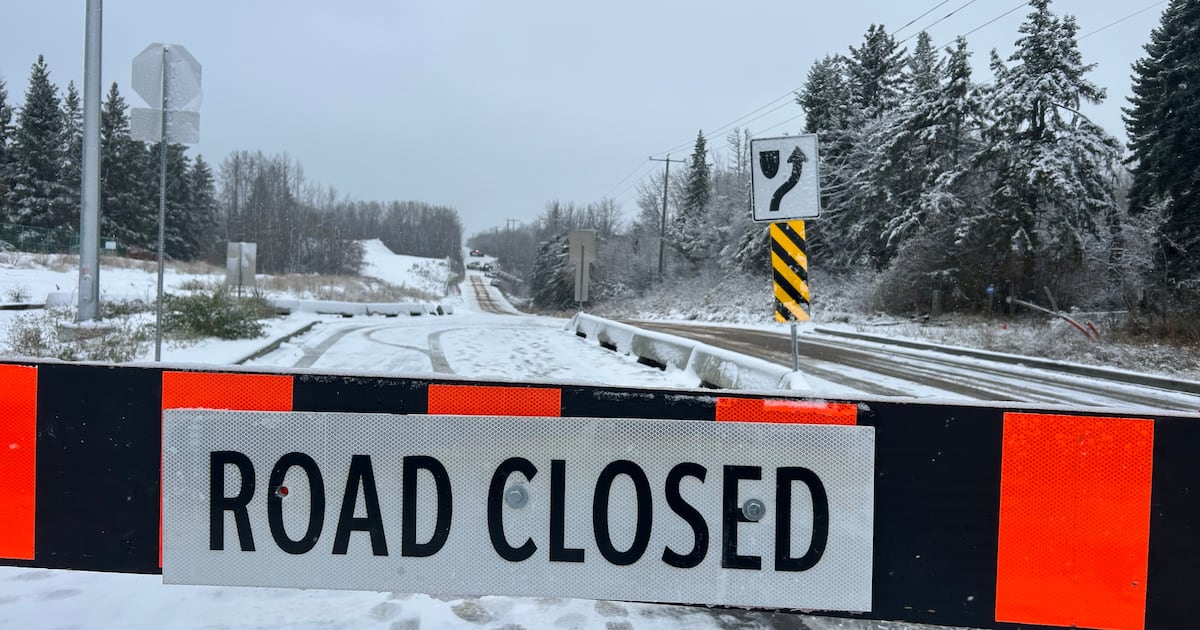
Winter weather patterns are shifting dramatically, bringing sudden, high-intensity snow events that catch entire regions off guard. As meteorologists analyze atmospheric data, communities across temperate zones are being forced to adapt to increasingly erratic seasonal behavior.
What Happened
Recent winter cycles have brought rapid-onset snowstorms rather than slow-building fronts. Instead of light snowfall spread across several days, these modern systems deliver heavy accumulations—often several inches per hour—within brief time windows.
These localized hyper-bursts leave municipal crews with minimal lead time. The results are immediate: sudden highway gridlock, transit cancellations, emergency school closures, and localized power disruptions when heavy slush overburdens electrical lines.
Atmospheric Drivers and Context
To understand why these storms are hitting with such sudden force, atmospheric scientists highlight a combination of shifting circulation dynamics and ocean conditions:
- Jet Stream Instability: A fluctuating polar vortex allows the jet stream to meander, forming deep atmospheric troughs that dip far south. This movement pulls freezing Arctic air into regions unequipped for severe winter conditions.
- Increased Atmospheric Moisture: Warmer sea-surface temperatures evaporate higher volumes of moisture into the lower atmosphere. When frigid polar air collides with this warmer, moisture-laden air mass, precipitation rapidly intensifies.
- Delayed Lake Freezes: Unseasonably warm autumn water temperatures delay ice formation on major lakes, allowing cold winds to strip moisture continuously and deposit extreme lake-effect snow downwind.
Why It Matters: Real-World Impacts
The transition toward compressed, high-volume snow events poses significant challenges for infrastructure, logistics, and public budgets:
- Supply Chain Bottlenecks: Sudden highway blockades stall freight shipping, causing immediate delays across regional supply chains for groceries, fuel, and time-sensitive manufacturing components.
- Municipal Budget Exhaustion: Cities often consume significant portions of their seasonal snow-clearing budgets during a single weekend storm due to emergency contractor fees, overtime pay, and heavy road-salt deployment.
- Power Grid Strain: Wet, dense snow puts heavy mechanical stress on tree limbs and utility lines, leading to prolonged power outages during severe cold snaps.
What's Next
Meteorologists caution that long-range seasonal outlooks are becoming less reliable for pinpointing these localized winter bursts. Moving forward, emergency management teams urge public agencies and residents to focus on 24- to 48-hour high-resolution forecasts. Cities are also re-evaluating winter readiness by investing in real-time road sensors, expanded salt storage, and rapid-deployment clearing protocols.


