The U.S. Department of Labor has paused the Permanent Labor Certification (PERM) program for eight major technology companies, including Indian IT heavyweights TCS, Infosys, and Wipro, alongside American giants Microsoft and Adobe. The sudden move triggered viral internet theories linking it to diplomatic pressure, but the real explanation lies much closer to domestic U.S. politics.
What Happened
The suspension stems from strict scrutiny under the Trump administration's "America First" labor policies. U.S. Vice President J.D. Vance highlighted systemic abuses in foreign hiring, specifically pointing out that companies like Microsoft laid off 6,000 American workers while simultaneously filing thousands of H-1B visa and PERM applications for foreign talent.
The U.S. Department of Labor is now investigating whether corporations are using PERM to hire foreign professionals at lower salaries, effectively suppressing domestic wage growth and displacing local tech workers.
Is Musk's Starlink Pressure Connected?
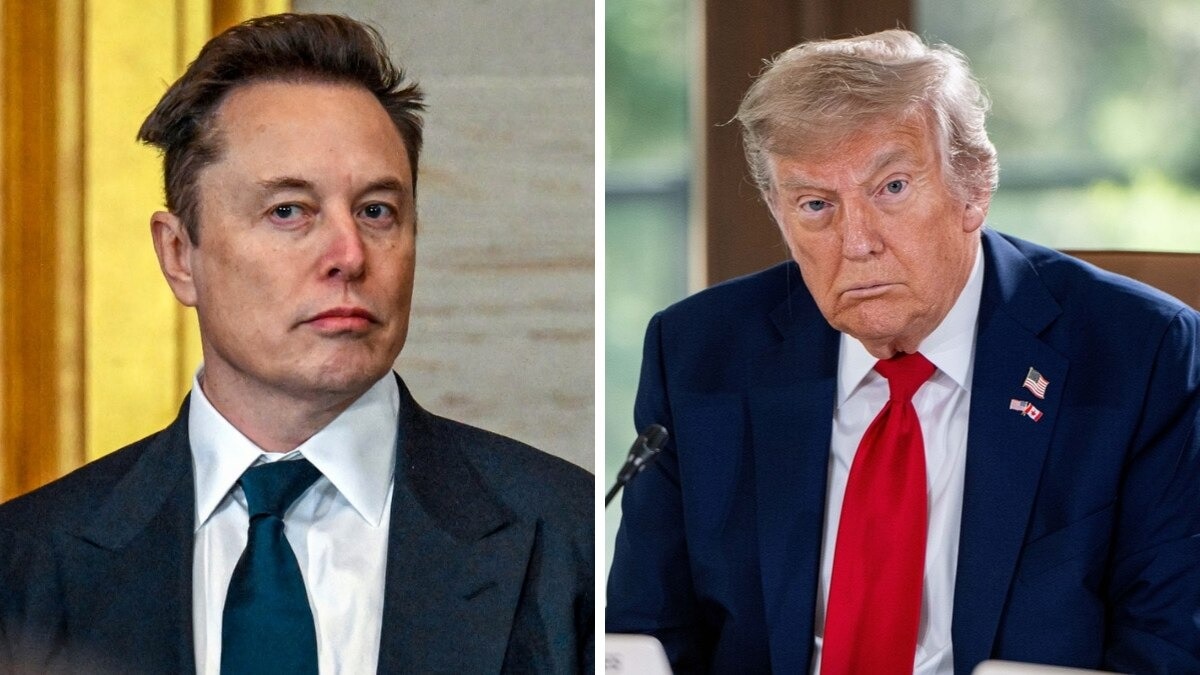
As Elon Musk pushes the Indian government for favorable regulatory terms for Starlink, viral social media posts suggested the U.S. PERM ban was an indirect coercive tactic to force India's hand.
However, policy analysts and officials confirm there is no diplomatic link between the two events. The timing is purely coincidental. The U.S. government would not disrupt its own top universities and home-grown tech powerhouses like Microsoft and Adobe simply to back a private commercial venture.
Furthermore, Indian Union Minister Jyotiraditya Scindia clarified that satellite licensing rules remain uniform and non-discriminatory across all players, including Jio, Airtel, and Starlink.
What It Means for Indian Tech Workers
PERM is the critical initial certification required for H-1B visa holders seeking an employment-based Green Card. Because Indian engineers represent over 70% of employment-based Green Card applicants, this suspension deals a heavy psychological blow to thousands of Indian professionals in the U.S.
However, the practical impact has clear boundaries:
- Current Visas Safe: The order does not cancel existing H-1B or L-1 work visas. Professionals can continue working legally within their visa limits.
- No Operational Disruption: IT firms confirmed that daily business operations, client project deliveries, and revenues remain unaffected.
- Green Card Pathway Frozen: The true impact is long-term, temporarily halting the Green Card approval process for affected employees until investigations wrap up.
While stock markets reacted with minor caution over potential long-term compliance costs, tech operations continue business as usual.


