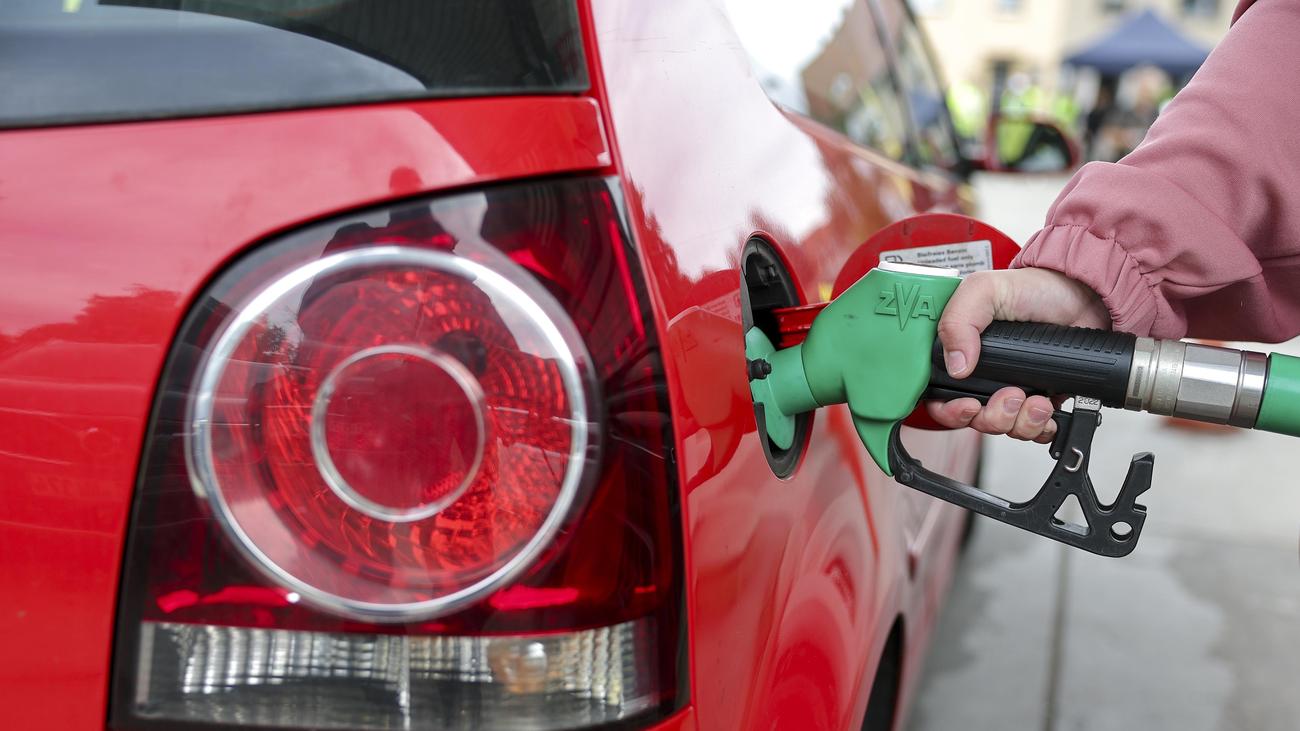
German motorists are finally getting a financial breather at the pump. Following the official launch of a newly implemented energy tax reduction, fuel prices across the country dropped significantly right as the clock struck midnight.
What Happened at the Pumps
Spot checks conducted shortly after midnight revealed an immediate adjustment at local gas stations. At a Star station in Mettmann, North Rhine-Westphalia, prices fell sharply just fifteen minutes past midnight. The cost of petrol dropped from €2.30 to €2.13 per liter, while diesel went from €2.36 down to €2.19.
Nearby, an Esso station implemented the exact same 17-cent reduction right at 0:01 AM. Data from the ADAC fuel-tracking app confirmed that this was not an isolated incident, with matching drops recorded in major metropolitan areas including Munich, Berlin, and Hamburg.
Why It Matters Now
The timing of this relief is crucial for drivers. Following mounting geopolitical tensions and ongoing conflicts in the Middle East, September emerged as the most expensive month for fuel in recent memory. Record averages hit €2.27 for E10 petrol and up to €2.39 for diesel, heavily fueling overall inflation rates and straining household budgets.
Although gas stations were not legally mandated to lower their prices overnight, the en2x fuels and energy association had previously assured the public that the lowered energy and value-added taxes would be passed down to consumers without delay.
The Broader Debate
While the price drop is a welcome relief for daily commuters, the temporary measure—slated to run through December—remains heavily debated.
- The Cost: Economists note that the state-backed relief package will cost federal and state budgets an estimated €2.5 billion.
- The Criticism: Critics argue the tax cut is too imprecise, fails to incentivize fuel conservation, and might not fully reach everyday consumers.
- The Defense: Supporters maintain it remains the most direct and effective tool available to shield citizens from soaring transportation costs.
For now, drivers can enjoy the immediate savings at the pump, though long-term impacts on national inflation and state finances remain to be seen.