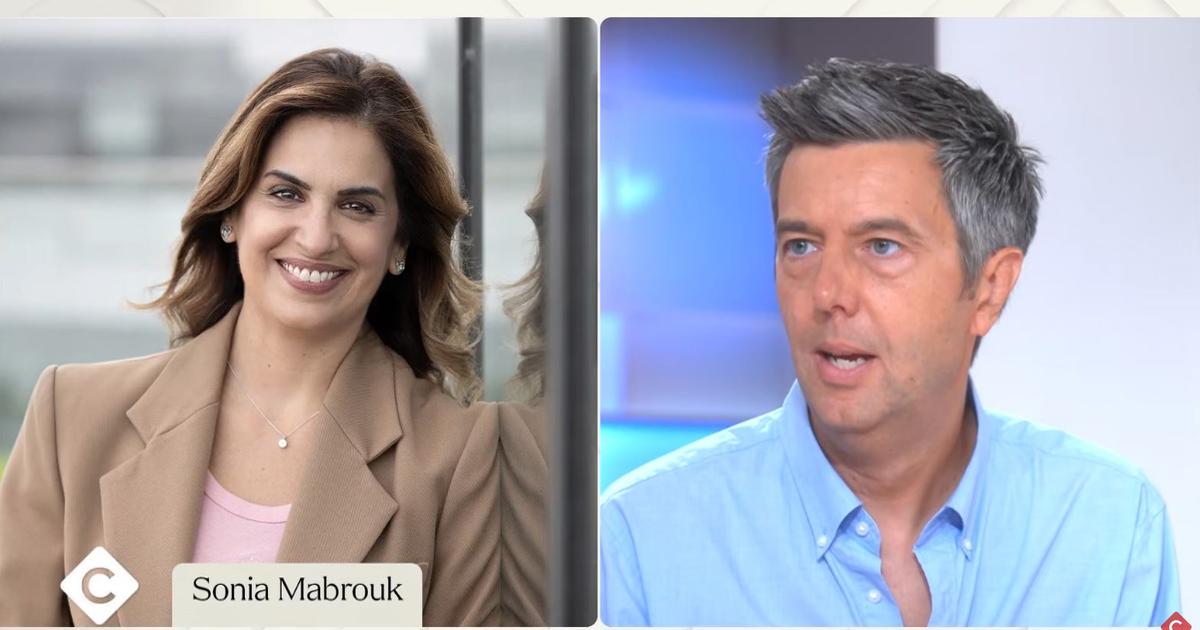
Sonia Mabrouk’s high-profile move from CNews to BFMTV was supposed to shake up the French media landscape. Instead, it has ignited a fierce internal and external battle.
Just weeks after launching her new access prime-time show, 100% Mabrouk, the prominent anchor is facing intense scrutiny, political boycotts, and a passionate defense from her new on-air colleagues.
The Core of the Controversy
The backlash centers on accusations of political bias. Internal staff unions (SDJ) and left-wing critics have voiced concerns that the proportion of right-wing and far-right guests on Mabrouk's show is disproportionately high. Critics specifically pointed to appearances by commentators like Sophie de Menthon and Céline Pina.
This friction led the left-wing party La France Insoumise (LFI) to launch an official boycott of her program and the channel.
Mabrouk has firmly rejected the critics' narrative. "It is not about 'CNewsing' BFM," she fired back, emphasizing that true journalism requires presenting a wide spectrum of opinions. "Political and democratic hemiplegia is dishonorable, especially in the midst of a presidential campaign. I will not let my reputation be dragged through the mud."
"Leave Her Alone!": Colleagues Rally Behind Mabrouk
The tension reached a boiling point during a recent broadcast of the talk show C à vous on France 5, where BFMTV journalists Maxime Switek and Apolline de Malherbe strongly defended their new colleague.
Switek did not hold back his frustration regarding the constant media scrutiny surrounding Mabrouk. "Leave her alone!" (Foutez-lui la paix!), Switek urged. He argued that critics are targeting Mabrouk simply to find fault with BFMTV as a whole. "She has only been here for four weeks. Let her do her job. Sonia, Apolline, and I all care deeply about pluralism."
Apolline de Malherbe echoed this defense, emphasizing the absolute editorial freedom they enjoy at the network. She dismissed the political boycotts as part of a larger, worrying trend in democracy where politicians avoid tough, unscripted interviews.
Malherbe pointed out that the avoidance goes both ways: while LFI boycotts the channel, far-right leader Marine Le Pen has also canceled appearances in favor of rival networks.
What This Means for French Media
The drama highlighting Mabrouk's transition underscores a highly competitive era for French 24-hour news channels. With the 2027 presidential election on the horizon, networks are fighting for both ratings dominance and political influence. For BFMTV, balancing editorial freedom, internal staff concerns, and external political pressure remains an ongoing tightrope walk.


.jpg?width=1200&height=800&crop=1200:800)