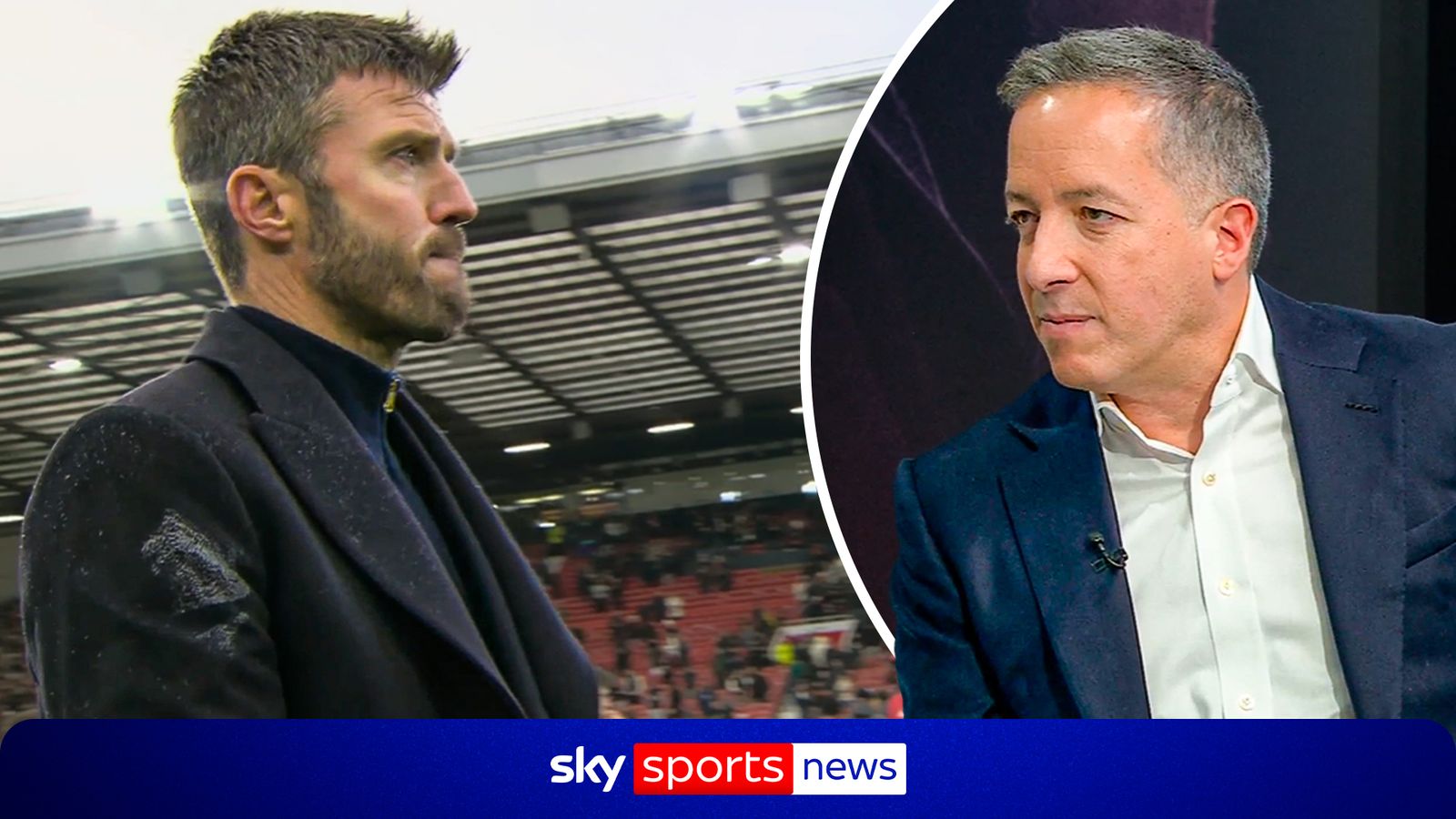
Manchester United currently sits in the Premier League relegation zone, triggering an urgent internal review and intense pressure on manager Michael Carrick.
While supporters are demanding root-and-branch leadership changes at Old Trafford, the reality behind the club's ownership structure and management is far more complicated than simple boardroom dissatisfaction.
What Happened
Following a turbulent run of results, Chief Executive Omar Berrada and Director of Football Jason Wilcox are conducting a full review of football operations to present to co-owner Sir Jim Ratcliffe.
While reports suggest the board may recommend parting ways with Michael Carrick, Ratcliffe is reportedly questioning whether executives themselves bear responsibility for recruitment missteps. Meanwhile, supporters once again face a lingering question: will the Glazer family ever fully sell the club?
Inside the Ownership Dynamics
Despite growing fan frustration, Manchester United is not officially on the market.
- Valuation Stumbling Blocks: The Glazer family continues to demand a multi-billion-pound fee to consider exiting. Previous suitors, including Qatar’s Sheikh Jassim, withdrew after refusing to pay an inflated price for a club needing massive stadium and squad investments.
- Drag-Along Clauses: If an investor attempted to buy the Glazers' controlling stake, legal "drag-along rights" could force Sir Jim Ratcliffe and INEOS to sell their 30% share as well, adding legal complexity to any deal.
- Geopolitical Realities: Economic shifts and regional instability in the Middle East mean fresh takeover bids from Gulf-based consortiums are not expected anytime soon.
Why It Matters
Fifteen years ago, Manchester United was the richest sports franchise in world football. Today, financial rankings place them eighth or ninth globally, behind rivals such as Real Madrid, Liverpool, and Manchester City.
Years of erratic transfer strategy—spending heavily on isolated positions rather than building a balanced team core—have severely limited financial maneuverability. Under INEOS, the club is now attempting to enforce strict wage discipline and curb reckless squad spending.
What's Next
Carrick’s tenure hangs in the balance as executive meetings continue with Ratcliffe. Former Chelsea and Spurs boss Mauricio Pochettino remains frequently linked to the Old Trafford post, though changing managers has repeatedly failed to resolve the club's deeper structural problems.
With INEOS demanding fiscal prudence and the Glazer family maintaining their controlling stake, Manchester United faces a prolonged period of operational rebuilding both on and off the pitch.


