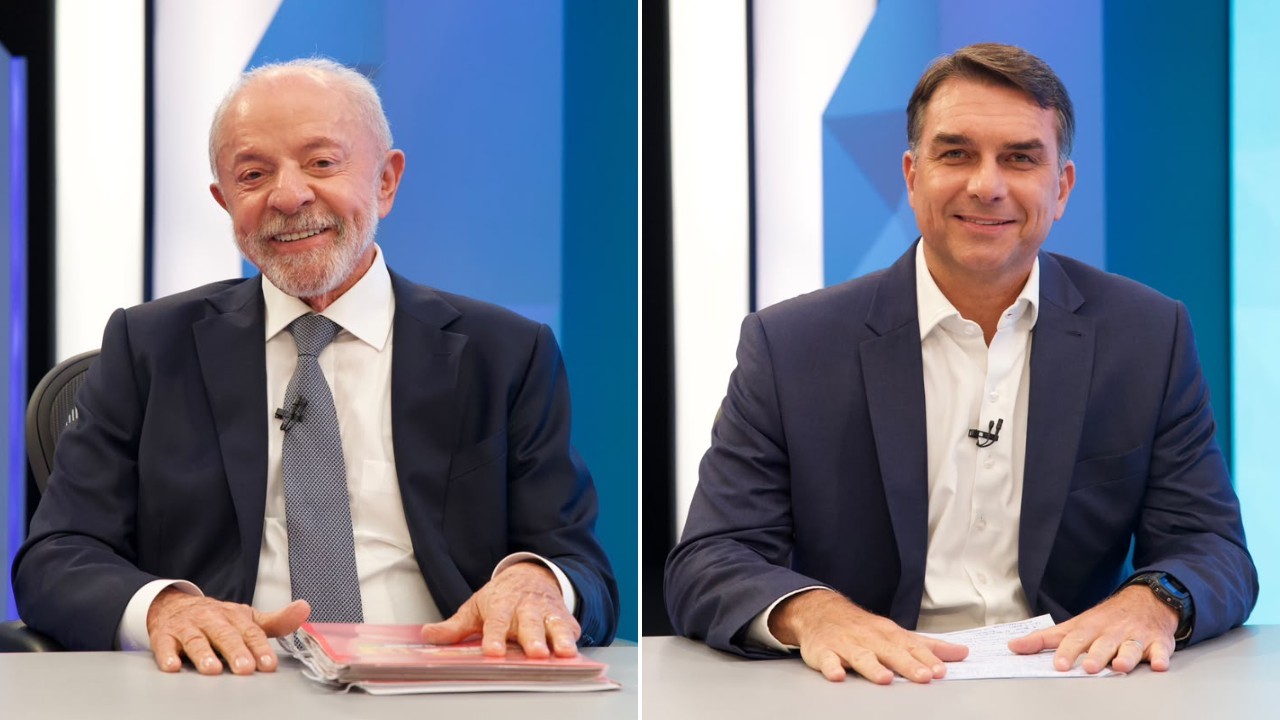
The race for the presidency heated up this week as candidates Lula (PT) and Flávio Bolsonaro (PL) faced tough questioning during high-profile interviews on TV Globo. Conducted by journalist Renata Lo Prete, the back-to-back appearances gave voters a clear look at each candidate's strategy heading into the decisive second round of the election.
Text analysis of the transcripts reveals distinct messaging priorities. Lula heavily emphasized terms like "Brasil" (29 times), "pessoas" (27 times), and "país" (19 times). Meanwhile, Flávio Bolsonaro focused his rhetoric on "Brasil" (35 times), "governo" (32 times), and "Lula" (31 times), underscoring a direct, opponent-focused opposition stance in a deeply divided electorate.
Key Moments From Lula's Interview
Appearing on Thursday, Lula addressed several controversial topics that immediately drew national attention and sparked fierce online debate. He defended lowering the age of criminal responsibility to 16 years old specifically for heinous crimes, marking a notable shift in public security positioning.
Additionally, the incumbent candidate called for investigations into Supreme Federal Court (STF) ministers while openly acknowledging accountability for the administrative hurdles and economic friction faced by his current administration.
Flávio Bolsonaro's Policy Pledges
Taking the stage on Friday, Flávio Bolsonaro countered with distinct campaign promises designed to rally his conservative base. He committed to maintaining the abolition of the 6x1 work schedule, which recently cleared the Senate with substantial backing.
Bolsonaro also stated that he intends to serve only a single presidential term if elected, aiming to project institutional restraint. Furthermore, he addressed recent political headlines, admitting surprise regarding the high-profile arrest of close political allies in Rio de Janeiro.
Why It Matters
These broadcast appearances carry immense weight for the final stretch of the presidential campaign. As traditional media outlets command massive audiences ahead of voting day, both candidates used the prime-time platform to solidify their core messaging.
By contrasting their core vocabulary and policy stances—ranging from public security and labor laws to institutional checks and balances—both camps are fighting to sway undecided voters, capture working-class demographics, and mobilize their respective bases in a tight race.
What's Next
With the second-round debates and final rallies fast approaching, public scrutiny on both candidates will only intensify. Observers will be watching to see how Lula and Flávio Bolsonaro pivot from these media clashes into their closing arguments, especially as independent polls track voter movement in key swing states.


