Leonardo DiCaprio stands as one of the most selective actors in modern Hollywood. Rather than chasing every tentpole franchise offered to him, the Oscar winner built a legendary filmography by prioritizing creative control—meaning he passed on several history-making roles along the way.
Blockbusters He Said No To
Following his breakout performance in What’s Eating Gilbert Grape, major studios quickly tried to recruit DiCaprio for massive comic book and sci-fi franchises.
- Robin in Batman Forever: Early in his career, he turned down the chance to play Batman’s sidekick in Joel Schumacher's 1995 entry, choosing smaller indie projects like The Basketball Diaries instead.
- Anakin Skywalker in Star Wars: DiCaprio met directly with creator George Lucas about starring in Episode II – Attack of the Clones. Feeling unready for the project, he declined. In 2002, the year the film hit theaters, DiCaprio starred in Martin Scorsese’s Gangs of New York and Steven Spielberg’s Catch Me If You Can.
- Peter Parker in Spider-Man: Before his real-life friend Tobey Maguire landed the iconic superhero role, DiCaprio turned down early offers for Spider-Man alongside inquiries for Neo in The Matrix. He later explained that he simply wasn't prepared to put on a suit for a long-term franchise schedule.
The Near-Misses That Changed History
DiCaprio’s rejection of standalone prestige films altered pop culture just as dramatically:
- American Psycho: Studio executives initially pushed to cast DiCaprio as Patrick Bateman over director Mary Harron’s choice, Christian Bale. Industry rumors suggest activist Gloria Steinem personally urged DiCaprio to drop out, fearing the role's violent content would alienate his post-Titanic teenage fan base. DiCaprio exited, allowing Harron and Bale to return and craft a classic.
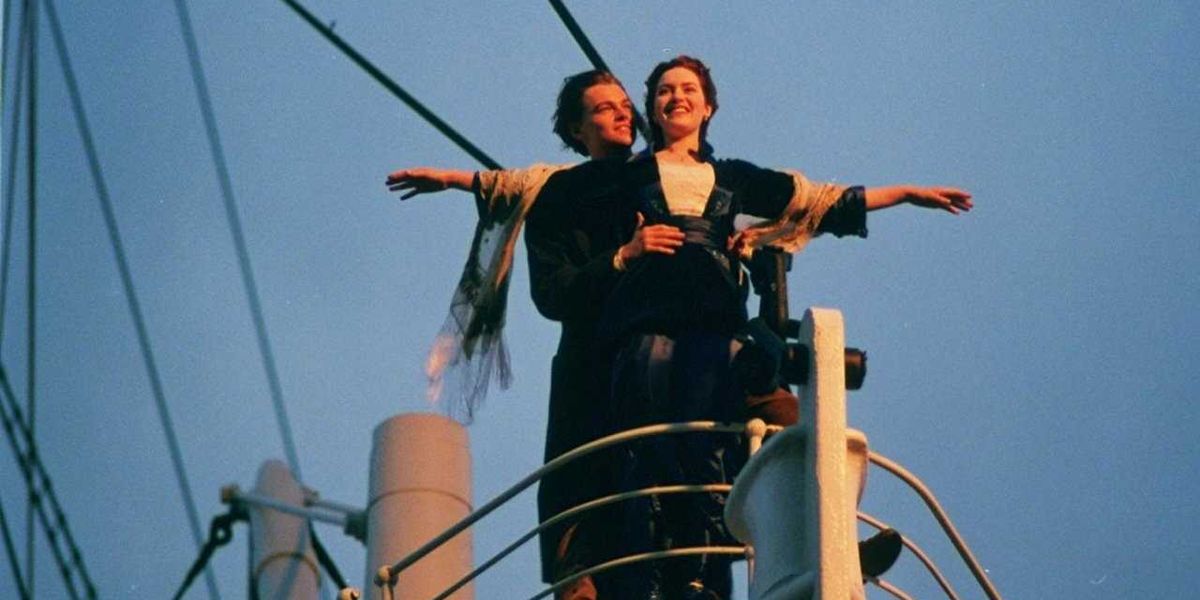
- Boogie Nights: DiCaprio turned down director Paul Thomas Anderson's offer to play Dirk Diggler in order to headline Titanic. While he expressed zero regret over choosing Titanic, he has acknowledged that passing on Boogie Nights was a tough decision. The actor eventually collaborated with Anderson years later on One Battle After Another.
Why It Matters
DiCaprio’s refusal to follow the standard blockbuster path redefined modern movie stardom. By choosing director-driven stories over guaranteed multi-picture franchise checks, he preserved his artistic freedom while remaining one of the few global stars capable of opening original, adult-targeted cinema at the box office.