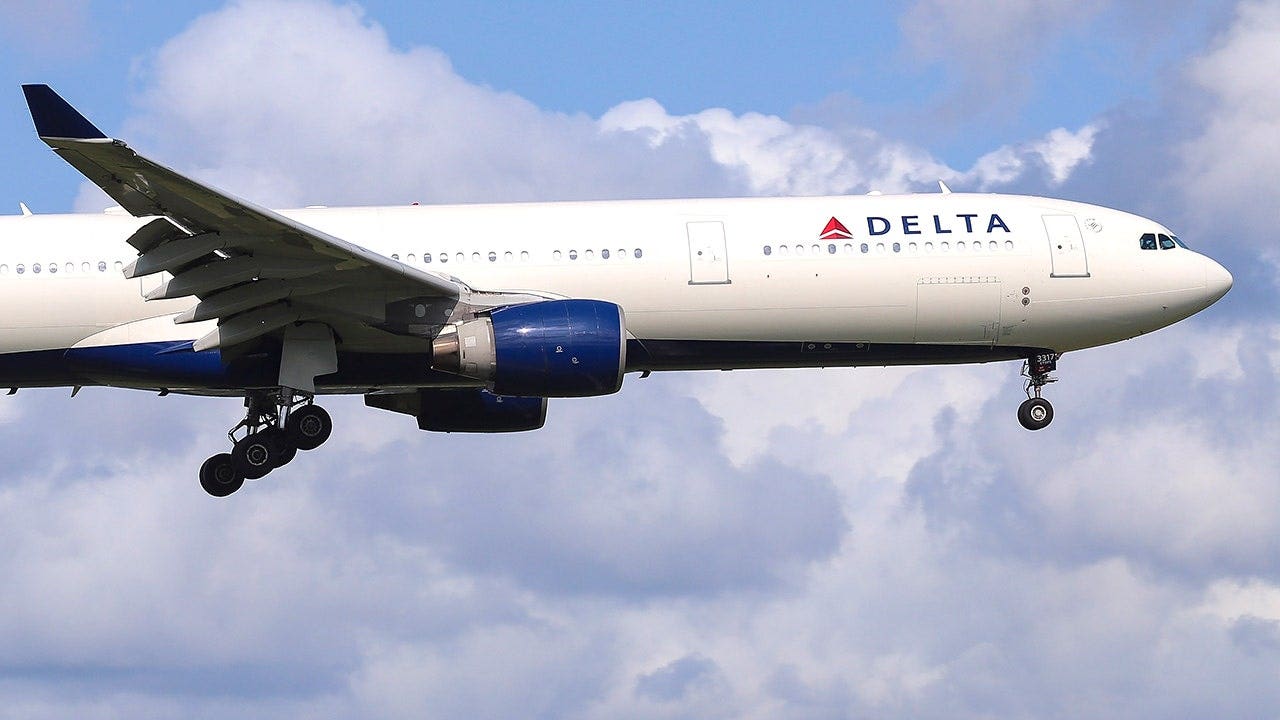
Travel plans for nearly 300 passengers came to a sudden halt when a transatlantic flight was forced to make an emergency landing in Europe due to unexpected smoke inside the cabin.
What Happened
A Delta Air Lines flight traveling from Barcelona, Spain, to Boston, Massachusetts, was abruptly diverted to Porto, Portugal. The Airbus A330-300, carrying 283 customers and 13 crew members, encountered a mechanical issue mid-flight that resulted in smoke filling the cabin.
According to Portugal's civil protection service, 14 individuals required medical attention once the aircraft landed safely. Four of those passengers were transported to local hospitals for smoke inhalation, though health officials noted their conditions were minor and non-life-threatening.
Why It Matters: Stakeholder Impact and Operational Strain
In-flight emergencies involving cabin smoke present severe operational and safety challenges for major carriers. For Delta Air Lines, an unexpected diversion triggers a cascade of logistical hurdles, including securing gate availability at an international alternate airport, arranging ground transportation, and managing passenger accommodations.
Furthermore, incidents requiring hospitalization—even for minor smoke inhalation—draw immediate scrutiny from regulatory bodies such as the Federal Aviation Administration (FAA) and the European Union Aviation Safety Agency (EASA). For the affected travelers, the disruption means missed connections, ruined itineraries, and significant travel delays while awaiting relief aircraft or rebooking options across partner airlines.
The Official Response
A Delta spokesperson confirmed the incident, attributing the unscheduled stop to a "reported mechanical issue."
"The flight landed safely, and we apologize to our customers for the delay in their travels as we work to get them to Boston as safely and quickly as possible," the airline shared in a statement.
Delta coordinated alternative travel arrangements to rebook the stranded passengers to their final destination via secondary routings.
Aviation Context and Technical Background
Cabin smoke incidents, while alarming to passengers, are strictly regulated by aviation authorities. According to FAA guidelines, rare mechanical failures—such as compromised engine oil seals, hydraulic leaks near hot bleed-air sources, or worn recirculation fan bearings—can occasionally cause fumes or smoke to enter the environmental control system.
Airlines are mandated to report such events immediately. Maintenance teams must trace the exact source of the contaminant, replace damaged components, and run rigorous pressure and system tests before the aircraft is cleared to return to commercial service.
What's Next
The grounded Airbus A330-300 remains in Porto undergoing comprehensive technical inspections by Delta maintenance engineering teams. Investigators will analyze flight data recorder logs and examine the aircraft's bleed-air and ventilation systems to pinpoint the exact root cause of the smoke. Once repairs are completed and signed off, the aircraft will undergo a test flight before re-entering Delta's active long-haul fleet.

