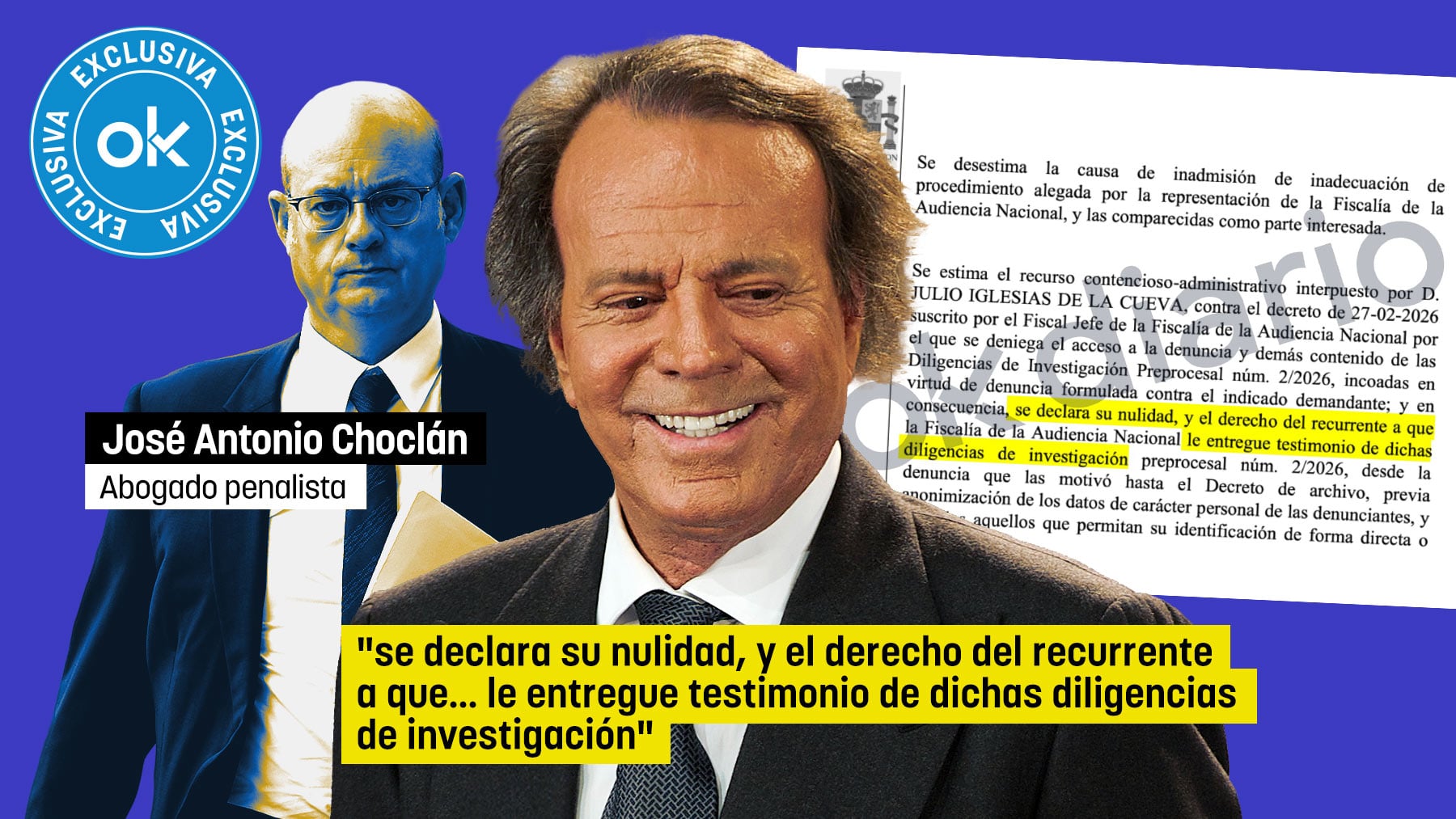
Julio Iglesias's Legal Knockout: Why Denying Him Information Just Backfired
In a story that sounds like it’s straight out of a legal thriller, legendary crooner Julio Iglesias has just landed a significant legal victory, forcing the Spanish Prosecutor's Office to open its files on an investigation against him. This isn't just about a celebrity asserting his rights; it’s a powerful affirmation of the right to defense, even when you're a global icon facing initial allegations. WhyThisBuzz breaks down the drama and what this ruling really means.
For months, the global superstar was in a peculiar legal limbo. Despite a formal complaint against him being filed and then subsequently archived, Iglesias was inexplicably denied access to the very documents outlining the allegations. Imagine being publicly linked to accusations, only to be told you can't even see the details that sparked the rumors. That's exactly the tight spot the 'Hey!' singer found himself in.
The Initial Complaint Against Julio Iglesias: Unpacking the Allegations
The saga began with a complaint filed by lawyers from the organization Women’s Link Worldwide. They represented two foreign citizens, alleging incidents that purportedly took place in the Dominican Republic and the Bahamas. Given the serious nature of the claims, the Spanish Prosecutor's Office moved quickly, granting the accusers "protected witness" status in January 2026 and taking their statements remotely.
Spanish Jurisdiction and the Case's Archive: Why It Seemed Over
However, the legal landscape shifted rapidly. Just days after taking the initial testimonies, the Prosecutor's Office made a crucial decision: they archived the entire file. The reason? A lack of jurisdiction. Neither the alleged events nor the individuals involved had sufficient ties to Spain for Spanish courts to pursue the case. On paper, it seemed the matter was closed before it truly began within Spanish legal bounds.
The Battle for Transparency: Why Julio Iglesias Demanded Access to His Files
Here's where things got contentious. Despite the case being archived due to jurisdictional issues, Julio Iglesias found himself blocked when he tried to obtain copies of the proceedings. The Prosecutor's Office flat-out refused, suggesting he seek the information from any future judicial body that might take up the case. This left Iglesias in an untenable position: subject to public suspicion without the right to examine the very complaint that fueled it.
Facing this roadblock, the singer didn't back down. He took the fight to the contentious-administrative courts, arguing a fundamental violation of his right to defense and effective judicial protection. His legal team argued that being denied access to the allegations against him, even in an archived case, directly impacted his ability to understand and defend his reputation.
Protecting Celebrity Rights: How the Court Upheld Julio Iglesias's Defense
The opposing sides – the State Legal Service, the Prosecutor's Office, and even the original complainants – all pushed back. They claimed the case was criminal and confidential, that there was no "administrative activity" to challenge, and that Iglesias was merely a "third party" since he hadn't been formally named as a suspect.
But Central Instance Tribunal Magistrate Emilia Peraile Martínez wasn't swayed. In a definitive ruling dated June 18, 2026, she systematically dismantled each counter-argument. The judge reasoned that while the initial decision might be linked to criminal proceedings, the act of denying access to information was administrative and, therefore, fully reviewable. Critically, she concluded that Iglesias was no "mere third party." As the subject of an investigation that examined alleged events and identified individuals, he had a clear right to defense and information, enshrined in Article 24 of the Spanish Constitution. The court emphasized this was especially true given that the "public knowledge, total or partial, of the terms of the complaint" directly impacted his reputation and image.
Witness Protection vs. Right to Information: Finding the Legal Balance
The ruling also shed light on the delicate balance between protecting witnesses and ensuring due process. The court pointed out that the protected witnesses had not adequately demonstrated what specific danger Julio Iglesias accessing the complaint would pose to them. While acknowledging the importance of witness security, the judgment indicated that vague claims weren't enough to override a fundamental right to defense.
What's Next for Julio Iglesias: Appeals and Anonymized Access
So, what's the immediate outcome? The ruling mandates the Prosecutor's Office to provide Julio Iglesias with a full copy of the proceedings, from the initial complaint to the archiving decree. There's one crucial caveat, however: the personal data of the complainants, and anything that could identify them, must be anonymized to respect their protected witness status.
While the ruling carries no cost penalties for the losing side, it can be appealed within fifteen days. For now, Iglesias has won a significant battle, not just for himself, but potentially for anyone who finds themselves in the crosshairs of an investigation, even one that's seemingly closed. It's a clear statement that transparency and the right to information are paramount, especially when one's public image and fundamental rights are on the line. WhyThisBuzz will keep an eye on any further developments in this unfolding story.

/https://i.s3.glbimg.com/v1/AUTH_da025474c0c44edd99332dddb09cabe8/internal_photos/bs/2026/7/x/ebJTVhS7O05FB3PlWMOA/arte-2026-08-26t235240.701.png)
