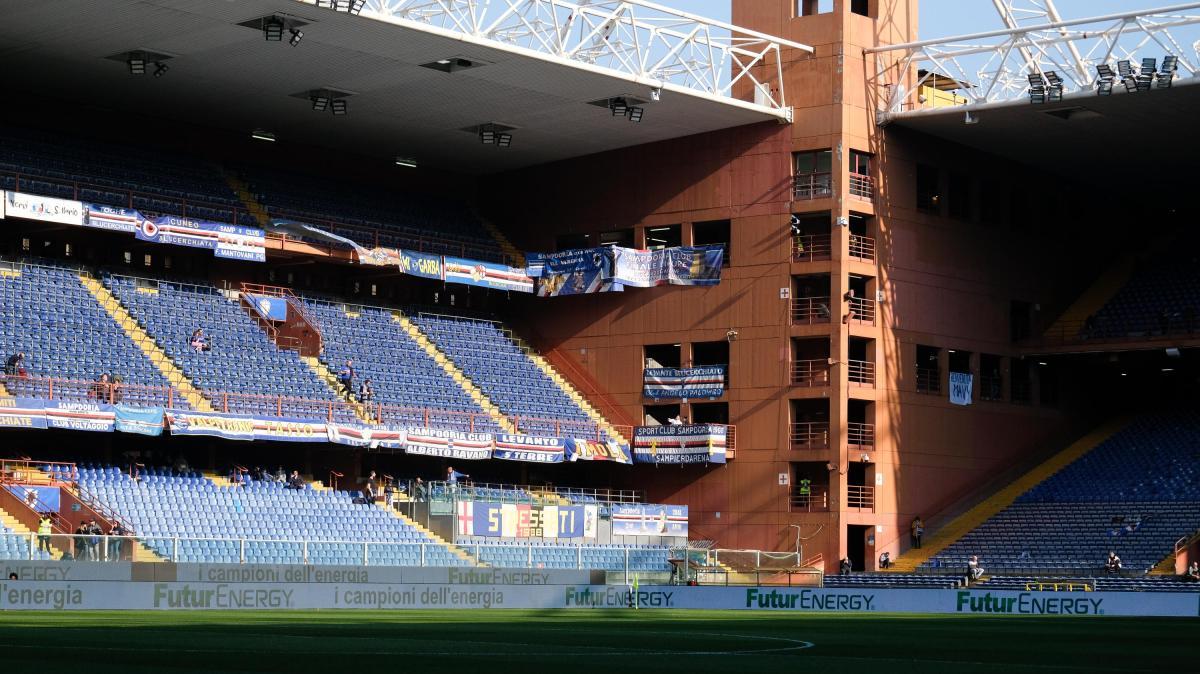
UEFA has delayed its announcement selecting the five Italian cities and stadiums that will co-host Euro 2032 alongside Turkey. However, the postponement is not stopping plans to overhaul the historic Stadio Luigi Ferraris in Genoa.
Both Genoa and Sampdoria remain committed to modernizing their shared home, regardless of whether the venue makes UEFA's final tournament list.
What Happened
The planned overhaul of the Stadio Luigi Ferraris is set to be a major, highly impactful project lasting at least three to four years.
While inclusion in Euro 2032 would create tighter deadlines for completion, the clubs intend to move forward either way. If Genoa is ultimately left out of Italy’s host city selection, it will simply give organizers a more flexible timeline to complete the construction without emergency rushing.
Relocation Proposals Rejected
To accelerate the multi-year renovation, several alternative options were evaluated. Suggestions included temporarily moving home matches to existing venues like the Stadio Grande Torino or Parma's Stadio Ennio Tardini. Another proposal involved building a temporary pop-up stadium in Serravalle Scrivia, following a model similar to Cagliari's past setup.
However, leadership from both clubs firmly shut down any possibility of moving away from Genoa.
Genoa CEO Andrés Blázquez made the joint stance clear, stating there will be "no penalty for the fans" and that the club's firm goal is to keep playing at the Ferraris while construction advances sector by sector. Sampdoria holds the exact same position.
How the Renovation Will Work
Rather than shutting down the arena entirely and forcing a temporary move, construction will take place in phases. Works will progress stand by stand, allowing the stadium to remain operational for league and domestic fixtures, albeit with partial capacity reductions in active construction zones.
What's Next
While the clubs refuse to play an entire season elsewhere, minor scheduling accommodations may still be requested. According to local reports from Il Secolo XIX, the clubs could ask for late-season calendar adjustments, such as playing final fixtures on the road.
Scheduling final matches away from home at the end of a campaign would allow construction crews to begin major heavy work ahead of the summer off-season, maximizing progress without uprooting season ticket holders during the main football year.


