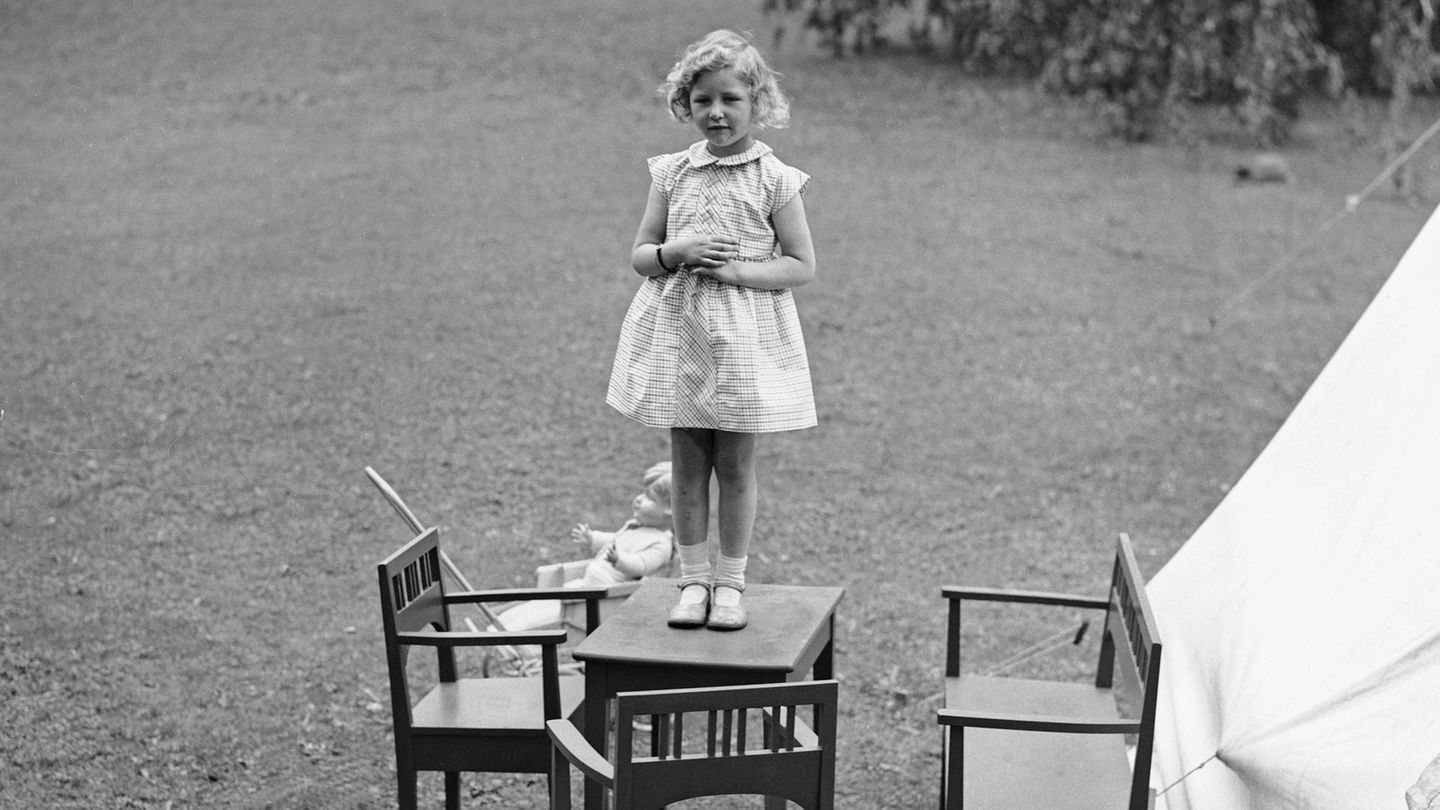
Norway is mourning the loss of Princess Astrid, who passed away on September 11, 2026, at the age of 94. While she was never destined to be queen, Princess Astrid served as a crucial cornerstone of the Norwegian monarchy for decades. Her life was defined by resilience, duty, and a quiet determination to forge her own path.
Here is a look back at her extraordinary life and the lasting impact she leaves behind.
A Royal Thrust Into the Spotlight
Born on February 12, 1932, Princess Astrid Maud Ingeborg was the second daughter of King Olav V and Crown Princess Märtha. Her early years were marked by upheaval; following the German invasion of Norway in 1940, her family fled to Sweden and later the United States, returning only after the war ended in 1945.
Tragedy struck the family again in 1954 when her mother passed away at just 53. With her older sister Ragnhild married and living in Brazil, a 22-year-old Astrid was suddenly thrust into the role of Norway’s de facto "First Lady."
When her father ascended the throne as King Olav V in 1957, Astrid became his primary companion for state visits, official receptions, and public events. She humanized the monarchy at a time when the institution needed stability, a role she gracefully maintained until her brother, Crown Prince Harald, married Sonja Haraldsen in 1968.
Breaking Royal Traditions
Princess Astrid was never afraid to challenge rigid royal expectations. In 1961, she married Johan Martin Ferner, a commoner, Olympic sailor, and divorced man. At the time, marrying a divorcé was highly controversial within royal circles, but Astrid stood by her choice.
Their marriage lasted more than five decades until Ferner’s death in 2015. Together, they raised five children—Cathrine, Benedikte, Alexander, Elisabeth, and Carl-Christian—proving that royal duty and personal happiness could successfully coexist.
A Legacy of Quiet Service
Throughout her life, Astrid viewed her royal status as a vehicle for public good. She dedicated her time to numerous charitable organizations, notably serving as the chair of the Crown Princess Märtha Memorial Fund.
She was also a passionate advocate for children and young people dealing with dyslexia—a learning disability she struggled with personally. In recognition of her decades of service, she was granted a state honorary pension in 2002.
Even in her later years, Princess Astrid remained a reliable confidante and support system for her brother, King Harald V. She leaves behind a legacy of unwavering duty, proving that true royal leadership is defined by service, not just a crown.


