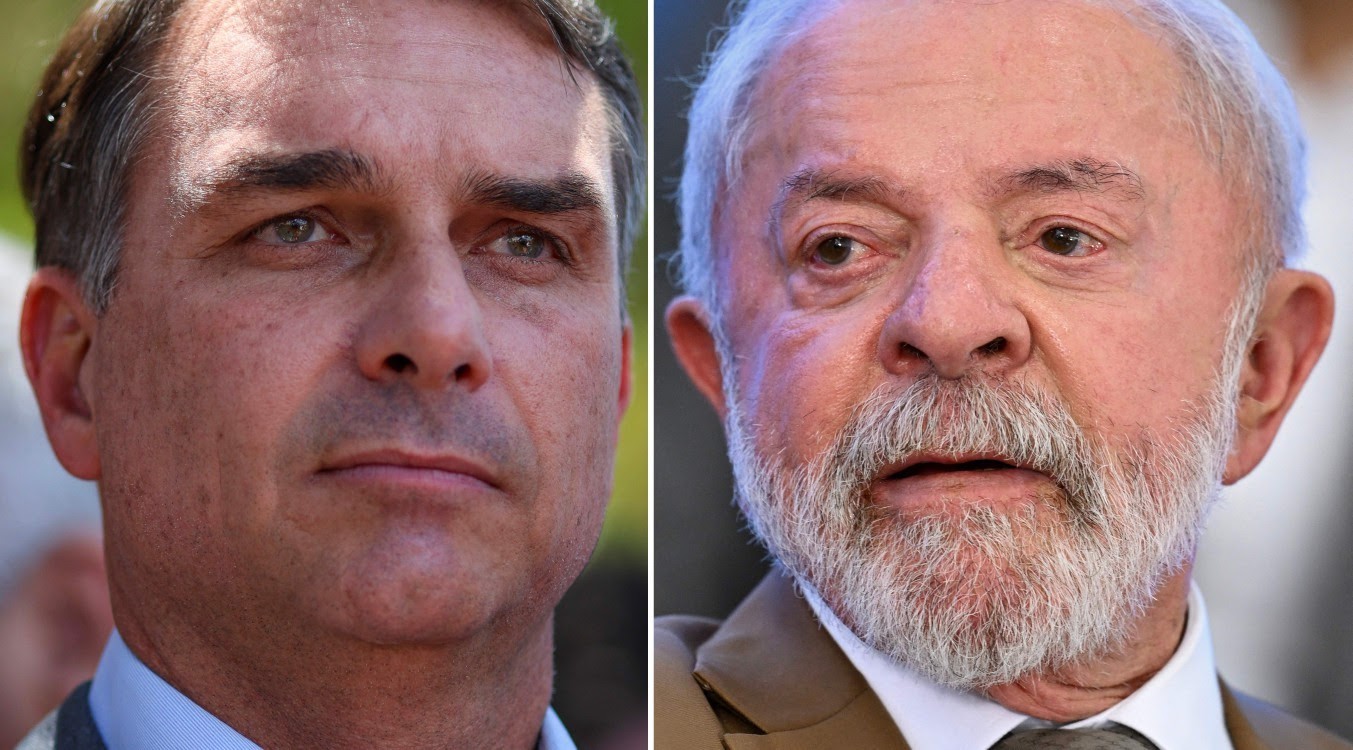
As Brazil approaches its decisive runoff election, top-tier political strategists, pollsters, and campaign managers are deeply divided over the final outcome. Re-evaluating projections made over the past year, leading campaign insiders reveal a complex political landscape where predicting the ultimate winner remains a formidable challenge.
Background and Context
The road to this runoff has been defined by fierce ideological clashes and intense regulatory scrutiny. Following a grueling first-round vote that winnowed down the field, the campaign narrowed into a high-stakes duel between incumbent leader Lula and conservative challenger Flávio Bolsonaro.
For months, both camps have poured unprecedented resources into regional outreach, media campaigns, and digital infrastructure. However, persistent macroeconomic pressures and shifting voter demographics have repeatedly disrupted traditional polling models, leaving experts struggling to capture late-breaking momentum shifts among crucial undecided blocks in key urban centers.
What Experts Are Saying
The political atmosphere is charged with uncertainty. While some campaign strategists maintain that the mood for change favors the right-wing opposition, others point to historical precedents and economic narratives that could rescue the incumbent administration.
Key analysts note that the race has effectively turned into a referendum on the current administration versus a desire for sweeping systemic change. Despite extensive data collection and qualitative focus groups, professionals who monitor the political pulse daily admit that last-minute shifts could alter the trajectory entirely.
Key Factors Shaping the Vote
Several volatile elements have dominated the final stretch of the campaign, complicating traditional forecasting models:
- Economic Discontent: Daily financial pressures, inflation, and cost-of-living concerns have created subtle anti-incumbency sentiment among working-class voters.
- Digital and Institutional Influence: Heated debates surrounding social media platform moderation, digital funding transparency, and institutional interventions have intensified public scrutiny.
- Voter Polarization: Citizen alignment remains deeply entrenched, with major rallies largely mobilizing already-converted bases rather than persuading moderate or undecided citizens.
Why It Matters
The outcome of this election carries massive implications for Latin America's largest economy and geopolitical landscape. Investors, international markets, and regional allies are closely watching to see which policy direction Brazil will take. A victory for the incumbent signals continuity in social programs and regional diplomacy, whereas a win for the conservative opposition promises aggressive market deregulation, fiscal austerity, and a pivot in foreign policy alignments.
What's Next
With polling stations set to close and vote tabulation beginning shortly, the margin between the candidates appears razor-thin. Beyond the immediate electoral victory, political analysts warn that the next leader will face unprecedented governance challenges, divided legislative bodies, and deep economic realities regardless of who secures the presidency.


