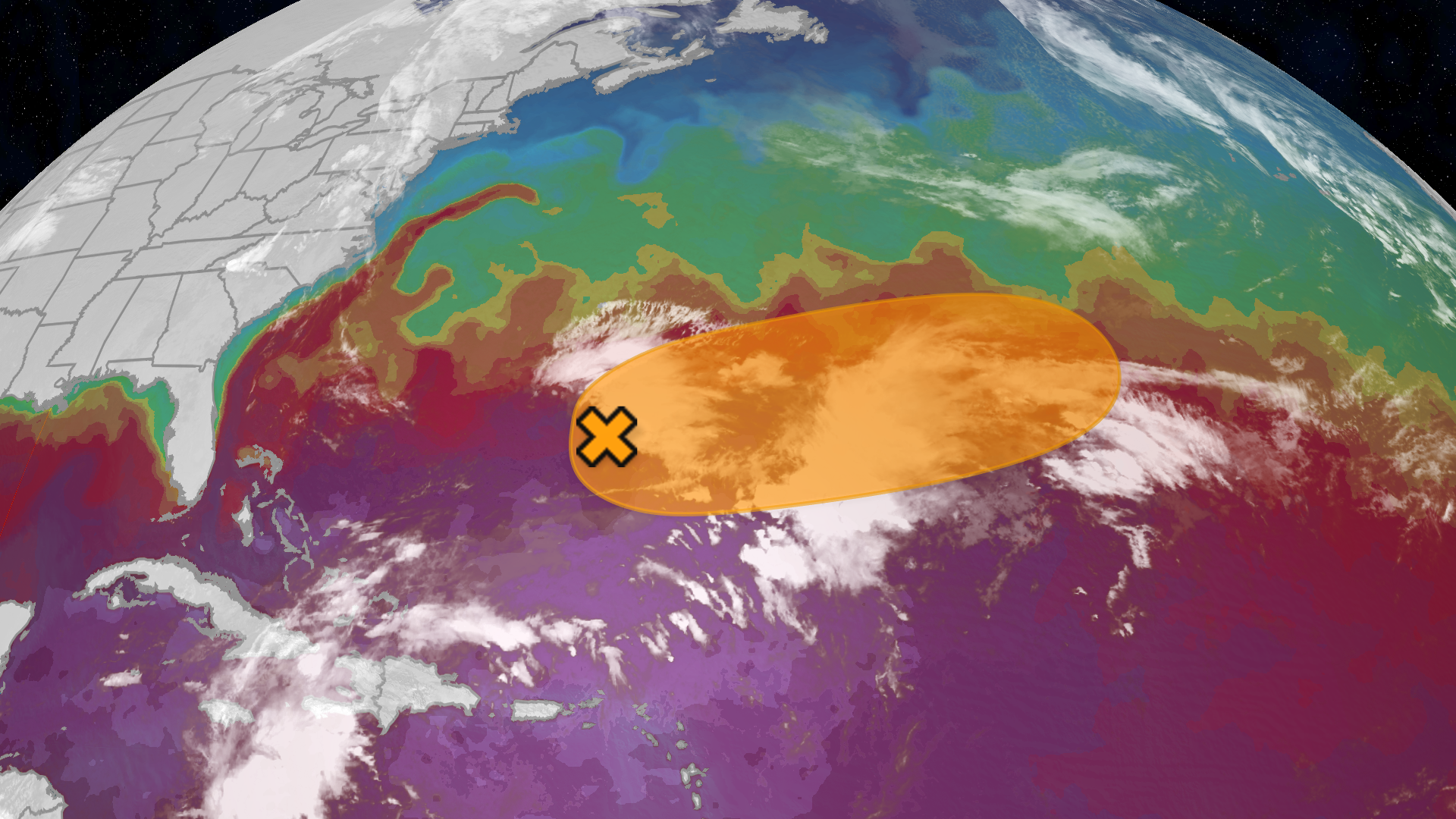
The 2026 Atlantic hurricane season isn't over quite yet. After two quiet weeks in the basin, meteorologists are closely monitoring a new atmospheric disturbance off the U.S. East Coast. If the system organizes over the coming days, it will take the next available name on the season's list: Subtropical Storm Kyle.
What Happened
The primary area of interest is a broad low-pressure system situated several hundred miles south of Bermuda. Following the brief emergence of Subtropical Storm Josephine in late October, Atlantic activity had completely stalled out until now.
That calm is breaking as conditions allow thunderstorms to build around the low-pressure center. According to forecasts from the National Hurricane Center, if these thunderstorms persist and consolidate near the center, the disturbance will officially achieve subtropical status.
However, time is running out. The window for tropical development is narrow, as hostile atmospheric conditions are expected to move in and shut down storm formation by early next week.
Why It Matters
For coastal communities along the U.S. Eastern Seaboard, there is reassuring news: the system poses no direct threat to the mainland. Meteorologists expect the storm to drift steadily northeast into the open waters of the Atlantic Ocean.
Bermuda, on the other hand, should prepare for moderate weather changes. Even if the system fails to earn an official name, it is projected to push rough ocean swells, high surf, breaking waves, and localized rain showers toward the island over the weekend.
Important Context
Understanding what makes a storm "subtropical" helps clarify why forecasters treat them with equal importance to standard tropical systems.
Unlike traditional tropical storms—which rely strictly on warm ocean water to build core intensity—a subtropical storm is a hybrid weather system. It combines elements of a warm tropical system with the cold and warm fronts typical of non-tropical weather patterns. Despite this structure, the National Hurricane Center tracks them with standard advisories because they still carry heavy rain, strong winds, and hazardous ocean surf.
What's Next
Meteorologists will track the low-pressure area over the next 48 to 72 hours to determine if thunderstorm activity intensifies enough to trigger named advisories for Subtropical Storm Kyle. Regardless of its final classification, marine interests across the western Atlantic should stay alert to building surf and gusty conditions.


