What Happened
A sudden landmine explosion occurred in the western sector of the Demilitarized Zone (DMZ), resulting in severe injuries to two soldiers. An elite field-grade officer suffered a traumatic amputation of his ankle, while an engineering non-commissioned officer sustained a severe ankle fracture.
Preliminary accounts indicate that the blast took place while troops were clearing a search path near the Military Demarcation Line (MDL). Investigators are currently working to determine whether the blast involved a single powerful device detonating or a sequence of two consecutive explosions.
Why Investigation is Difficult
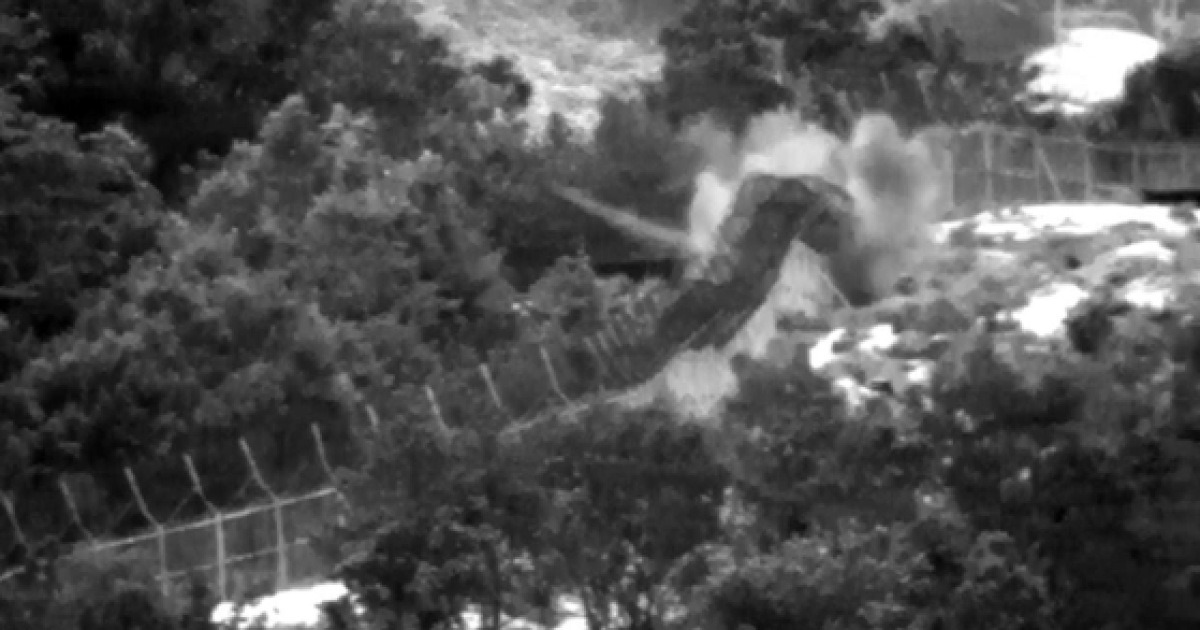
Unlike the notorious 2015 "wooden box landmine" incident—which was quickly verified using thermal observation gear and clear debris evidence—this recent case presents significant hurdles.
The site is located just 50 meters from the MDL inside a blind spot completely out of range of fixed surveillance equipment like CCTV or thermal observation devices (TOD). Because direct visual records are missing, authorities must rely entirely on witness testimonies from the soldiers and meticulous chemical residue analysis of remaining fragments and uniforms.
Assessing Potential Origins
Military experts and lawmakers point out that the blast characteristics suggest a device with higher explosive power than standard South Korean armaments, pointing toward potential North Korean-made landmines such as the PMD-57 wooden box design.
Because explosive materials and chemical compositions differ sharply between domestic and foreign ordnance, analyzing microscopic residue collected from the blast zone remains the crucial step in confirming the source.
Joint Response and Next Steps
In a departure from typical protocol regarding the DMZ, military authorities openly discussed upcoming joint investigation plans with the United Nations Command (UNC).
Top military leadership, including the Joint Chiefs of Staff and the commander of US Forces Korea and the UNC, held high-level discussions to coordinate the ongoing probe. As forensic teams process the physical evidence, the focus remains on determining the exact mechanism of the blast and preventing future vulnerabilities along the demarcation line.