Election Day is set for Tuesday, November 3, 2026, and political momentum is reaching a breaking point across the country. With control of both the House of Representatives and the Senate hanging in the balance, high-profile figures from both major parties are aggressively campaigning in high-stakes battleground states.
Key Senate Battlegrounds
In South Carolina, President Donald Trump is stepping in to support Sen. Darline Graham after a recent Siena poll showed Democrat Annie Andrews trailing by less than a single percentage point.
In Michigan, Democrat Abdul El-Sayed currently holds a 7-point lead over Republican Mike Rogers, despite internal party tension after Rep. Haley Stevens' fiancé publicly backed Rogers.
Meanwhile, critical swing states are experiencing intense final-week developments:
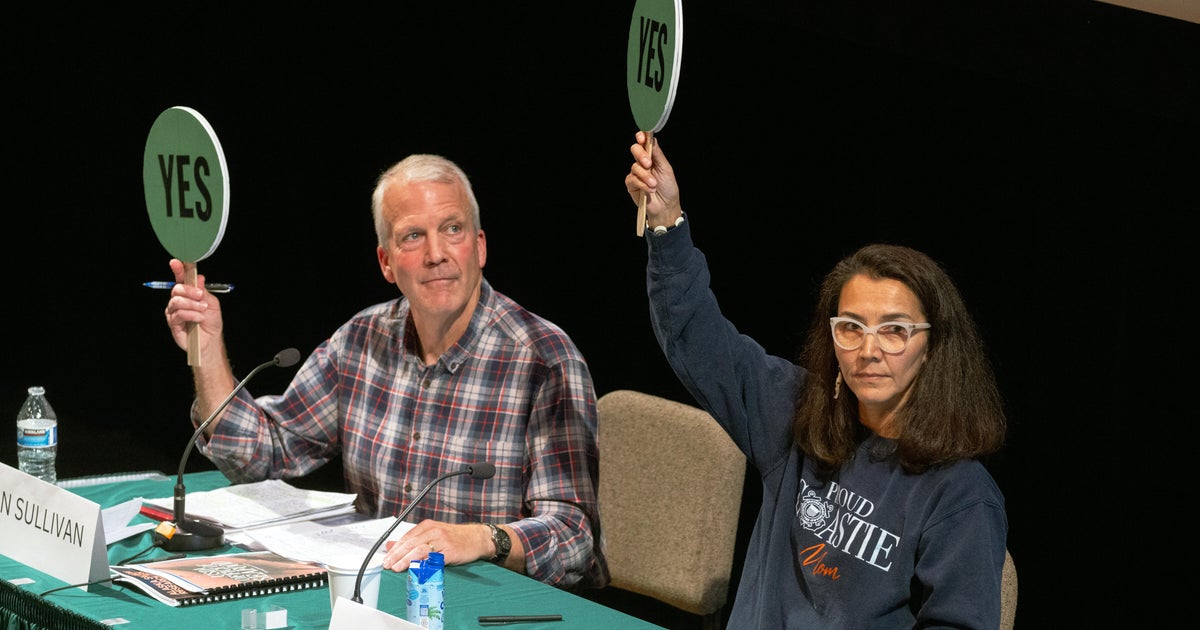
- Alaska: State officials launched a public safety investigation into alleged efforts to recruit a second candidate named Dan Sullivan onto the ballot alongside incumbent GOP Sen. Dan Sullivan.
- New Hampshire: Democrat Rep. Chris Pappas and Republican former Sen. John E. Sununu sparred in a televised debate over inflation, tariffs, and Social Security reform.
- Ohio & Texas: Red-state toss-ups are heating up, with former Democratic Sen. Sherrod Brown seeking a comeback in Ohio, and Democrat James Talarico challenging Republican Attorney General Ken Paxton in Texas.
Important Legal and Political Clashes
Beyond campaign stops, federal courts and economic debates are shaping the narrative. A federal judge recently rejected a Justice Department request to force California election officials to segregate 20,000 mail-in ballots, ruling that the executive branch cannot dictate state election procedures on the eve of a vote.
Simultaneously, national figures are focusing heavy attention on voter cost concerns. Former President Barack Obama and President Trump have repeatedly traded public criticism in Georgia and Ohio, arguing over inflation, energy prices, and foreign policy handling.
Why It Matters
The upcoming vote will determine which party directs the legislative agenda for the next two years. Republicans currently hold a narrow 53–47 lead in the Senate, but 10 toss-up seats—including key contests in Ohio, Michigan, Georgia, North Carolina, and Maine—will dictate control.
In the House, 47 competitive districts will decide whether Democrats flip the balance of power or Republicans retain their slim majority. With affordability, economic anxiety, and foreign policy top-of-mind for voters, turnout in these key districts will prove decisive on November 3.


