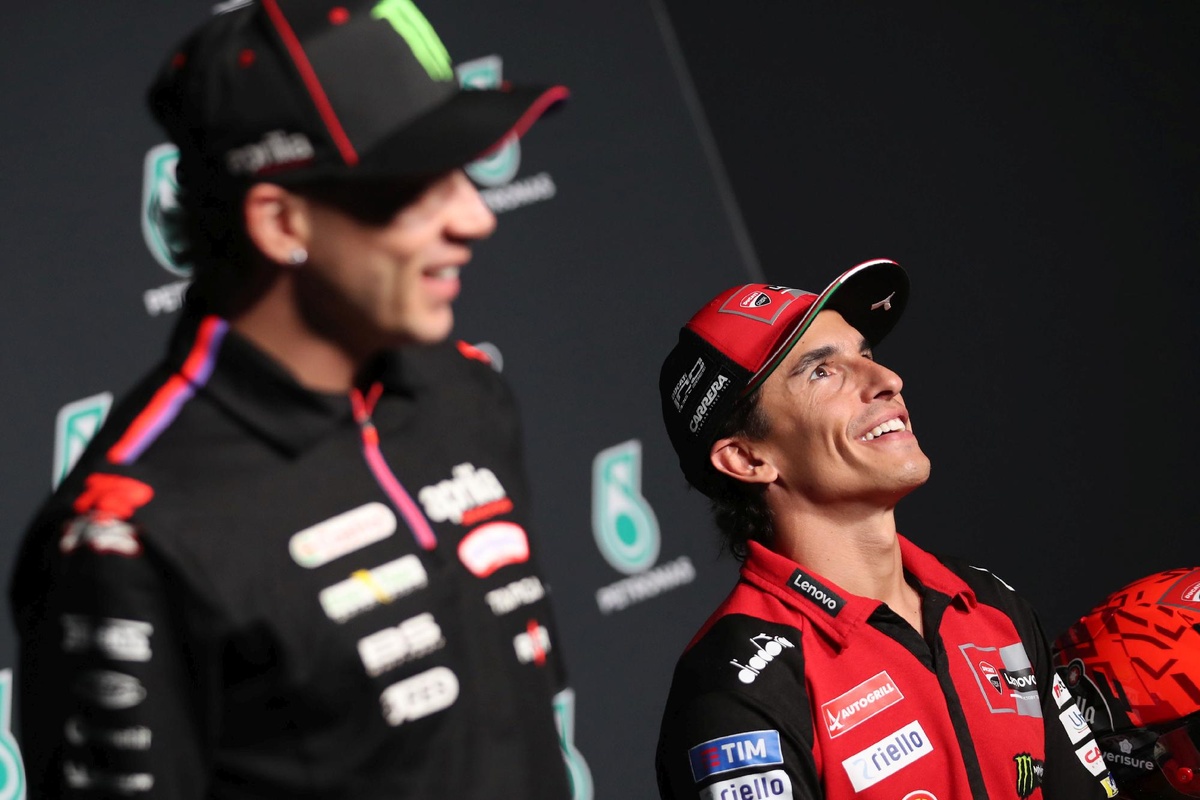
The intense final stretch of the 2026 MotoGP season is officially underway. As teams and riders settle into the paddock at the Sepang International Circuit, anticipation for the Malaysian Grand Prix has reached a fever pitch, with championship consequences hanging in the balance.
Here is a comprehensive look at the key moments, technical hurdles, and championship implications as the weekend kicks off.
Background and Thursday Paddock Dynamics
Thursday at Sepang brought the usual flurry of high-stakes media obligations, meticulous technical scrutineering, and rider briefings. Fans and analysts tracking the paddock closely received early glimpses of customized aerodynamic packages and cooling configurations designed specifically for Southeast Asia's punishing climate.
For high-profile contenders like Marc Márquez, Thursday sets the tone for a grueling race weekend. Media sessions offered vital insight into physical conditioning routines, tire compound strategy choices, and how premier-class squads plan to tackle the extreme thermal loads characteristic of the Sepang circuit. With championship points at a premium late in the calendar, every engineering adjustment made on Thursday carries amplified weight.
Why Sepang is Crucial: The Stakes and Challenges
The Sepang International Circuit is famously one of the most physically demanding tracks on the MotoGP calendar. Featuring two long straights followed by heavy braking zones, combined with ambient temperatures often exceeding 35°C (95°F) and extreme humidity, the circuit tests both machine reliability and rider endurance to their absolute limits.
Why It Matters:
- Thermal Management: Engines, brakes, and tires face severe degradation risks under tropical heat, making efficient cooling systems a primary differentiator between podium contenders and midfield runners.
- Championship Pressure: Late-season rounds leave zero margin for error. A single setup miscalculation during practice can compromise qualifying, translating into poor grid slots and heavily hindered race outcomes.
- Weather Volatility: Sudden tropical downpours frequently transform a dry, rubbered-in track into a treacherous wet surface mid-session, requiring split-second strategic adaptations from team pit walls.
Securing a strong baseline setup early in the weekend is vital because Friday practice times dictate direct advancement into Qualifying 2 (Q2), minimizing the risk of fighting through the fiercely competitive Q1 eliminator.
Future Outlook and Track Action
With Thursday's media duties and garage preparations wrapped up, the focus shifts entirely to the asphalt. Free practice and practice sessions will give riders their first real opportunity to test race pace and evaluate tire wear over longer stints.
As the weekend unfolds in Malaysia, session results will directly shape the grid for Sunday's Grand Prix, steering the trajectory of the closing championship battles.


