What Happened
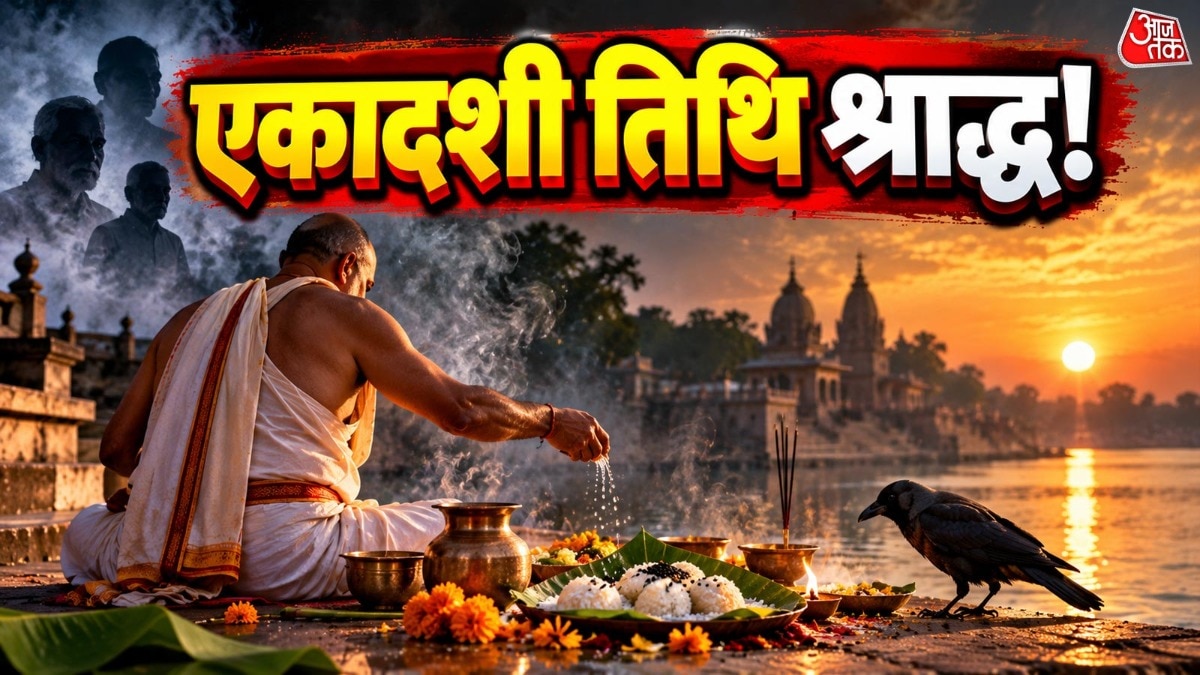
The ongoing observance of Pitra Paksha 2026 brings a key religious milestone: the Ekadashi Shradh, also known as Gyaras Shradh. Observed on October 6, this day is dedicated to performing rituals, tarpan, and pind daan for ancestors who passed away on the Ekadashi tithi of either the Shukla or Krishna Paksha. This sacred day coincides with the observance of the Indira Ekadashi fast, compounding its spiritual significance for Hindu households globally.
Date and Auspicious Timings
According to the Hindu Panchang, the Ashwin Krishna Ekadashi tithi begins in the early hours of October 6 at 02:07 AM and concludes late at night on October 7 at 12:34 AM. Because of these precise calendar calculations, the Ekadashi Shradh is observed squarely on Tuesday, October 6.
For performing the sacred rites, precise timing dictates spiritual success:
- Kutup Bela: 11:46 AM to 12:33 PM on October 6, considered the prime window.
- Rohini Muhurat / Aparahna Kaal: Extends the auspicious period through the afternoon hours for families unable to complete rituals during the morning peak.
Why It Matters: Cultural and Economic Impact
Pitra Paksha represents a vital cultural period across South Asia and its diaspora, driving significant community engagement, temple activities, and regional commerce.
- Spiritual Cleansing: For millions of practitioners, Ekadashi Shradh carries the dual benefit of appeasing ancestral spirits and honoring the strict spiritual discipline of Indira Ekadashi, which is believed to liberate souls from past karmic burdens.
- Local Markets and Stakeholders: The demand for satvik foodstuffs, brass utensils, ritualistic items like kusha grass, and offerings for Brahman Bhoj stimulates localized trade. Agricultural suppliers, dairy farmers, and local priests see a measurable uptick in seasonal demand during this 16-day lunar fortnight.
Essential Shradh Rituals
Observing the Ekadashi Shradh requires strict adherence to traditional guidelines to ensure the peace and liberation of departed souls.
- Early Morning Purification: Individuals performing the Shradh should wake up before sunrise, bathe, wear clean clothes, and maintain complete purity of mind and body.
- Pind Daan & Tarpan: Facing south (the direction of ancestors), participants offer pind made of barley, rice, black sesame seeds, milk, ghee, and honey. Tarpan is conducted using water, kusha grass, barley, and black sesame while remembering the ancestors with deep reverence.
- Offering Food: Pure, satvik food—strictly free from onion and garlic, typically featuring kheer, puri, and vegetables—is prepared. Portions are set aside for cows, crows, dogs, ants, and fish, and placed beneath a Peepal tree.
- Brahman Bhoj & Daan: Food is served to needy Brahmins, followed by offering charity (dakshina) according to one's financial capacity.
Future Outlook
As Pitra Paksha 2026 progresses toward its conclusion with Mahalaya, communities will continue local preparations for upcoming autumn festivals like Navratri. The meticulous observation of Ekadashi Shradh serves as a reminder of enduring cultural continuity, with younger generations increasingly utilizing digital panchang calendars to track precise muhurats in fast-paced urban environments.
/https://i.s3.glbimg.com/v1/AUTH_59edd422c0c84a879bd37670ae4f538a/internal_photos/bs/2026/G/T/vQ6hj7S4y0KSGCk7SBUA/adoles-4-.png)
