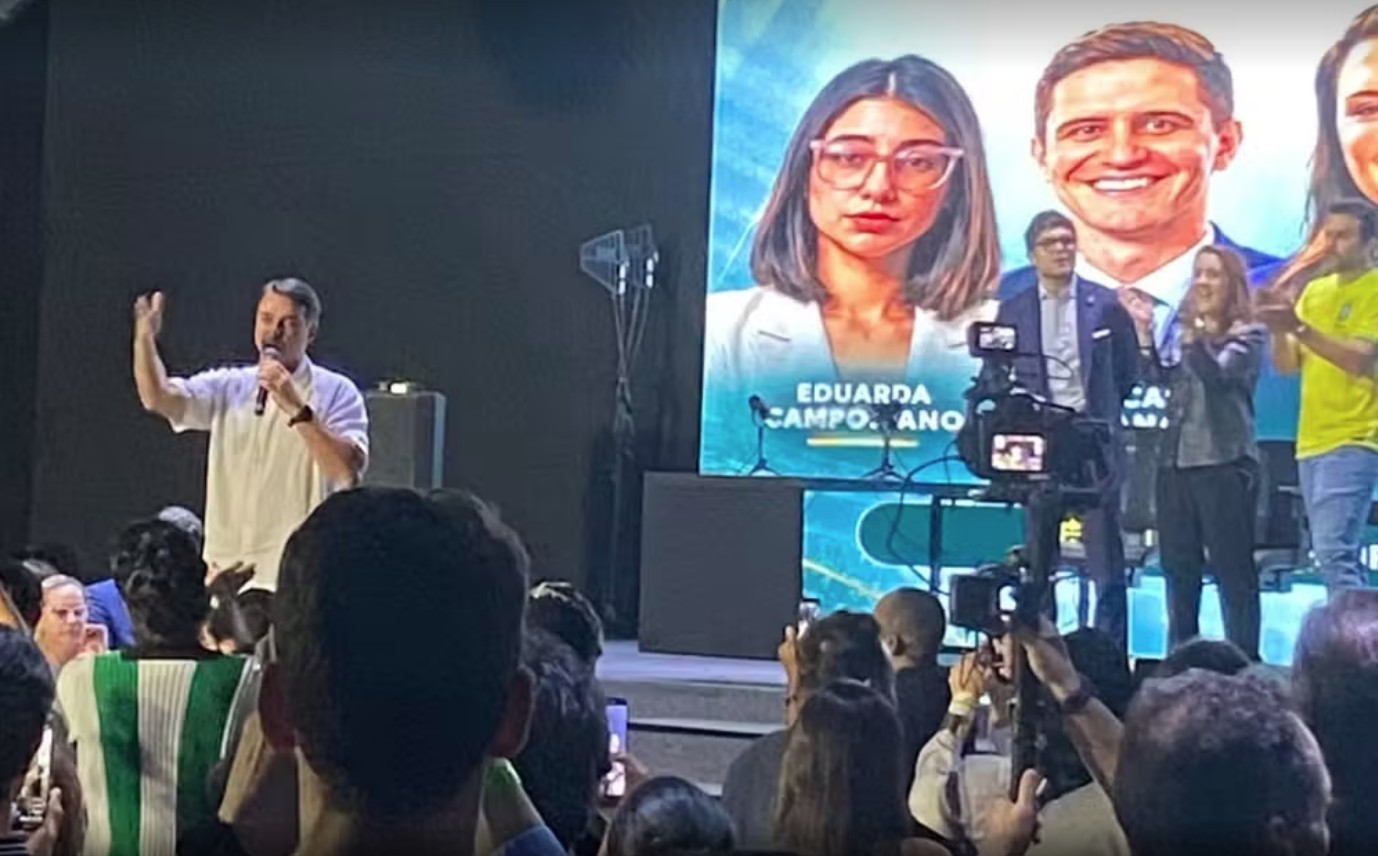
Brazilian digital political strategy is undergoing a major shift as influencer and former candidate Pablo Marçal steps into a central advisory role for Senator Flávio Bolsonaro’s presidential campaign.
The strategy took shape during a closed-door gathering at São Paulo’s Plataforma Arena, where Marçal convened approximately 300 right-leaning digital creators. The goal: re-engineer how the campaign communicates with voters during the critical final days of the race.
Shifting from Policy Debates to Emotional Triggers
During the meeting, Marçal explicitly instructed creators to abandon defensive political debates and pivot entirely toward psychological engagement. He argued that elections are decided by gut reactions rather than policy proposals, urging influencers to focus content around core human emotions—specifically hope, pleasure, and fear.
Crucially, the new directive orders content creators to stop reacting to opposition attacks or getting bogged down in institutional disputes.
"We are not going to touch Lula's name negatively," Marçal told the audience, advising creators to ignore left-wing talking points and avoid mentioning the Supreme Federal Court (STF). "You don't need to try to defend anything."
Why It Matters
This shift underscores the growing transition from traditional televised political broadcasts to decentralized, algorithm-driven social media campaigns.
- Bypassing Traditional Media: By mobilizing hundreds of independent creators, the campaign bypasses traditional news filters to deliver tailored messaging directly to target demographics.
- Celebrity Amplification: The digital push relies heavily on high-profile cultural endorsements. Major figures, including international soccer star Neymar and country music singer Gusttavo Lima, are slated to release coordinated endorsement content to push the campaign beyond standard political bubbles.
- Targeting Moderates: De-escalating direct attacks on institutional bodies like the STF and avoiding named attacks on President Lula aims to reduce partisan fatigue among undecided voters while maintaining high engagement.
What's Next
In the campaign's final stretch, creators plan to launch a synchronized "superlive" streaming event alongside coordinated content drops designed to dominate social media feeds simultaneously.
The immediate test will be whether this high-intensity digital blitz can successfully sway undecided voters before polls close—and whether electoral authorities will scrutinize the legal boundaries of such heavily coordinated online mobilization.


