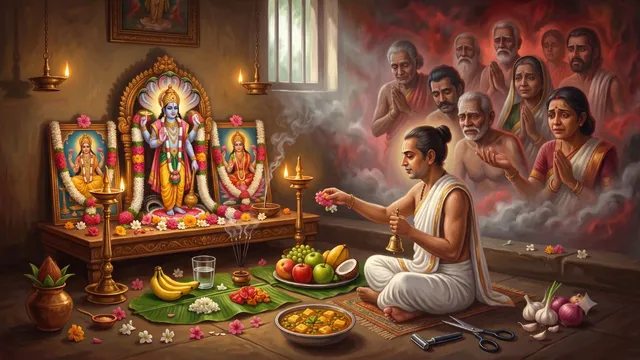
Indira Ekadashi holds a deeply revered place in the Hindu calendar, bridging devotion to Lord Vishnu with the sacred rituals of Pitru Paksha. Falling during the waning phase (Krishna Paksha) of the Ashwin month, this fasting day is dedicated to purifying the spirit and seeking salvation or peace for departed ancestors.
As devotees prepare for the upcoming observance on October 6, understanding the core rituals and prohibitions associated with the day is essential for aligning with its spiritual purpose.
What Happened: Date and Significance
Indira Ekadashi falls directly within the auspicious period of Pitru Paksha, making it uniquely powerful for ancestral rites. This year, the observance is set for October 6, 2026.
The day serves a dual purpose: worshippers fast to invoke the grace of Lord Vishnu, while simultaneously performing Tarpan, Pind Daan, and charity in the name of their ancestors. According to traditional belief, observing this fast with a pure heart helps absolve past misdeeds and brings generational peace, ensuring that departed souls attain liberation.
Important Context: Mistakes to Avoid
While observing the fast brings immense spiritual merit, certain traditional guidelines must be strictly followed to prevent negative consequences. Observers must steer clear of specific actions that could displease deities and ancestors alike:
- Avoid Tamasic Food: Consuming onion, garlic, or any non-vegetarian and tamasic items breaks the sanctity of the fast and voids the spiritual benefits of worshiping Lord Vishnu.
- Control Anger: Outbursts, harsh words, or losing one's temper on this sacred day undermine the purity of the prayers, rendering them ineffective.
- Respect Elders: Disrespecting elderly family members during Pitru Paksha or on Indira Ekadashi is believed to invite Pitru Dosh (ancestral affliction). Maintaining harmony at home is paramount.
- Never Skip Ancestral Rites: Failing to perform basic charity, Tarpan, or remembering ancestors on this designated day can lead to spiritual dissatisfaction among the departed.
Why It Matters
The transition of seasonal markers during Ashwin makes this period ideal for introspection, charity, and familial duty. By honoring ancestral ties and respecting traditional disciplines, followers seek stability, peace, and positive energy within the household. Observers are encouraged to approach the day with empathy, restraint, and complete devotion to maximize its spiritual rewards.


